Top Nutrition Coaching is fully dedicated to providing its readers with transparent, accurate, and compassionate information that applies to individuals from every demographic. Our nutritionists adhere to specific guidelines when creating content to ensure that all published materials are most advantageous to our readers. Top Nutrition Coaching has a no-tolerance policy regarding plagiarism.
All materials published by Top Nutrition Coaching adhere to the criteria outlined below:
- When possible, Top Nutrition Coaching only uses primary sources. Only peer-reviewed journals and government and state sites will be used if primary sources are unavailable.
- Our team reviews every article on the Top Nutrition Coaching site on a periodic basis. Our regular review process ensures that we constantly communicate the most up-to-date information about nutrition, health, and wellness.
- All of our content will be thorough and factual but also approachable. Our goal is to help readers learn about nutrition, not to confuse them.
- All of our content is verified by nutritionists and dietitians with certifications and advanced degrees. Every article will include a registered nutritionist or dietitian’s byline.
- None of our content will include false promises or guarantees. Our number one priority is supporting our audience and their health – their needs come first.


How Does Mounjaro Work? Understanding This Diabetes and Weight Loss Medication
Mounjaro works on two metabolic pathways at once. Here's what that means for blood sugar control and weight loss.
.jpg)
Knowing the effects the weight loss medication has on the metabolism can help you understand how it works in the body and what you can do to optimize results from Mounjaro. It also helps to know what expectations to have before starting Mounjaro.
What Is Mounjaro (Tirzepatide)?
Mounjaro (tirzepatide) is an FDA-approved type 2 diabetes medication that comes in a pre-filled pen that's injected once a week. What makes it accessible is that, even without medical training, you can administer the medication on your own at home.
Tirzepatide is the active ingredient found in Mounjaro, which is the same active ingredient found in Zepbound. Though Mounjaro and Zepbound contain the same active ingredient, they differ in that Mounjaro is FDA-approved to treat type 2 diabetes and Zepbound is FDA-approved for weight loss. Mounjaro is sometimes prescribed off-label for weight loss, though insurance is less likely to cover it for that use.
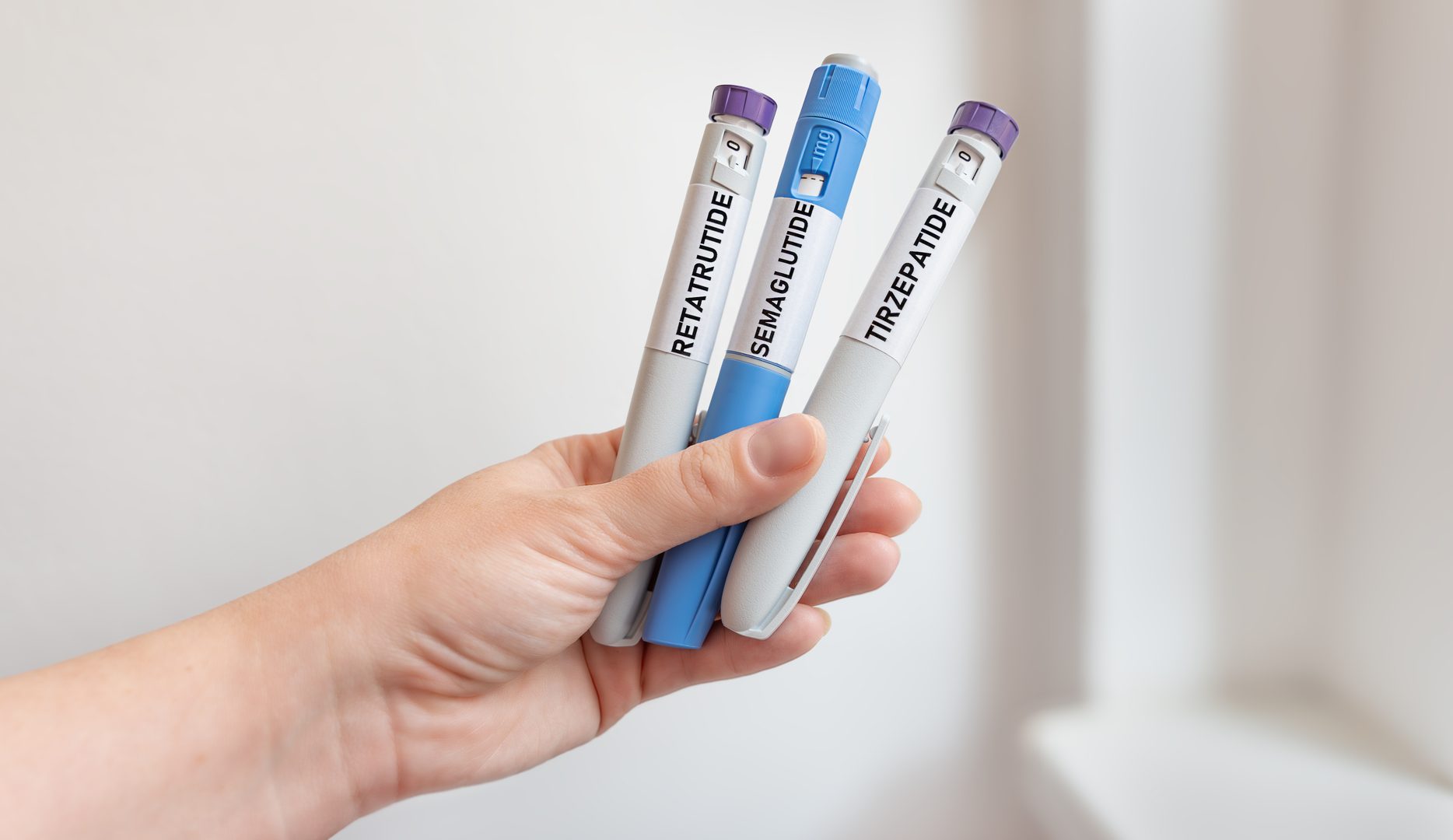
You may have heard of other weight loss medications like Ozempic and Wegovy, but these are semaglutide medications which means they exert different hormonal effects than tirzepatide. While semaglutide only mimics glucagon-like peptide-1 (GLP-1), tirzepatide mimics two hormones: GLP-1 and glucose-dependent insulinotropic polypeptide (GIP). You would work with your prescriber to decide which medication is best for you.
Compare semaglutide vs tirzepatide.
How Mounjaro Works in Your Body
Mounjaro is a dual-action medicine, which means it works on two pathways of your metabolism at the same time. Knowing what these pathways are and how they affect digestion and metabolism is essential to understanding how Mounjaro works.
The Two Hormones Mounjaro Activates
Medications like Ozempic mimic a hormone that our body already produces in the gut naturally called GLP-1. This hormone is responsible for helping the pancreas release insulin, reducing hunger by telling your brain to stop eating, and keeping the stomach fuller for longer.
GIP is a hormone that also encourages the release of insulin, prevents glucose from being released into the blood, and aids in storing nutrients from food in the right places in the body.
Though the most common weight loss medications only work on one hormone, GLP-1, Mounjaro works on both GLP-1 and GIP.
As Dr. Devon Allen, Top Nutrition Coaching's medical contributor, explains: "The dual receptor action of tirzepatide tends to result in better weight loss versus a single receptor agonist such as semaglutide."
What Happens After You Inject Mounjaro
After you take an injection of Mounjaro, it activates the receptors for GLP-1 and GIP, making the effects of these hormones more profound. So, when you eat that week, it makes the stomach empty more slowly. This means you stay fuller for longer, which makes it easier to reduce portions and delays cravings.
Then, when your food is digested and nutrients go into the bloodstream, Mounjaro "tells" the pancreas to release more insulin. This helps bring the blood sugar down more quickly after your meal. Mounjaro also calms down "food noise," otherwise known as appetite signals, to control hunger.
Finally, in between meals, the liver normally releases stored sugar into the bloodstream to give you energy during periods you are not eating. Medications like Mounjaro reduce the amount of sugar that is released by the liver to help keep blood sugars within a manageable range that is safer for your body.
Why Mounjaro Only Needs to Be Taken Once a Week
Unlike daily medications, Mounjaro is designed to stay in your body and exert its effects for a longer time, reaching steady levels after just a few weeks of using it consistently. This is very convenient for those with diabetes, as they often have other treatment methods to stay on top of.
Furthermore, many people find that they're less likely to miss a dose if they only have to take something once a week rather than every day. And staying consistent with medication is crucial when dealing with poor blood sugar control.
The Main Ways Mounjaro Helps with Diabetes and Weight
Weight and blood sugar are closely linked, and improving one usually helps the other. Because Mounjaro works on two hormone pathways at once, it can influence both — appetite and blood sugar regulation — rather than targeting one and hoping the other follows. Here's how that plays out in three specific ways.
Controlling Blood Sugar Levels
Mounjaro works to keep blood sugar within healthy ranges both after meals and first thing in the morning by making the body's existing ways of lowering blood sugar more impactful. Think of it as "juicing up" your metabolism.
When you wake up in the morning, there is often a surge in your blood sugar to get fuel you for the day. That's called your "fasting blood sugar."
Your blood sugar also goes up after a meal as the nutrients from the food are released into your system, such as after you have your mid-day lunch. This is your after-meal blood sugar. Mounjaro helps keep both under control.
The medication accomplishes this by slowing down digestion, and "telling" the pancreas and liver to release more insulin and less sugar, respectively.
Over time, especially if accompanied by weight loss, this can lead to a lower hemoglobin A1c, which is a number that reflects your blood sugar control over the course of three months (the "lifespan" of a red blood cell).
Your A1c could be best illustrated by imagining you wear a white T-shirt that you never take off. If you're around relatively clean air, the shirt will only get a little dirty. However, if you're in a dirtier environment, it'll turn colors quickly.
In this case, the white shirt represents your red blood cells and the air is your blood sugar. Think of Mounjaro as an air filter that helps get rid of these particles. The cleaner your shirt becomes as a result, the lower your A1c, and a lower A1c reflects controlled blood sugar.
Reducing Appetite and Supporting Weight Loss
Many people on Mounjaro report thinking about food far less often, feeling full more quickly, and experiencing fewer cravings. This is due to the medication's action of quieting down the hunger signals in the brain.
This gradually helps to drive weight loss by making portion control and a calorie deficit easier to maintain.
According to one study published in the New England Journal of Medicine, 85-91% of participants lost at least 5% of their body weight while taking Mounjaro, while 30-57% lost at least 20%, depending on dose.
Just note that this weight loss is likely to happen gradually, not overnight, so it's important to exercise patience and realistic expectations.
Improving How Your Body Uses Insulin
People with diabetes or prediabetes are often described as having insulin resistance. Picture this: after a meal, your insulin starts yelling at your body's cells to absorb the sugar, but your body's cells can't hear the insulin.
This makes keeping blood sugars in healthy ranges more difficult. However, medications like Mounjaro help improve the "hearing" of your body's cells so insulin works more efficiently.
What to Expect When Taking Mounjaro
When starting a weight loss medication like Mounjaro, it's important to know what you can expect to happen to your body and what expectations to have around the timeline of results.
Starting Doses and Increasing Over Time
The starting Mounjaro dosage is typically 2.5 mg. This dose is quite low intentionally so as your body adjusts to the medication and side effects are minimal. If you are adjusting well, it's standard for your prescriber to gradually increase your dose every four weeks.
If you are not handling side effects well or you are already achieving great results on a low dose, your prescriber may choose not to increase your dose.
Common Side Effects and How to Manage Them
The most reported side effects of Mounjaro are typically nausea, stomach pain, diarrhea, and constipation. However, they typically pass as your body gets used to Mounjaro and can be managed.
The best way to manage these effects is to eat smaller meals, getting enough fiber, staying hydrated, and avoiding fatty and greasy foods.
For patients whose nausea doesn't respond to those adjustments, Dr. Allen notes there's another option: "We also can initiate prescription medications for nausea and vomiting. This is something that can be taken on an 'as needed' basis, or it can be taken preemptively at that time of the tirzepatide administration."
Always communicate with your prescriber if your side effects are not improving, as they can adjust your dose to make the journey more sustainable.
How Long It Takes to See Results
If using Mounjaro for weight loss, people don't start to see the weight come off consistently until they have been on the medication for a few months. For better blood sugar control, improvements are usually seen sooner, typically in just weeks.
This timeline varies from person to person, but results can be achieved sooner when using Mounjaro along with proper nutrition counseling and regular physical activity. These lifestyle changes make the medication more effective and can help you maintain your progress even after your time with the medication is over.
Who Should (and Shouldn't) Take Mounjaro
Though Mounjaro is an FDA-approved medication, that doesn't make it appropriate for everyone. Talk to your prescriber about the best treatment option for you.
Who Mounjaro Is Approved For
Mounjaro is approved by the FDA as a treatment for type 2 diabetes and has recently been cleared for use as a diabetes treatment by children 10 years and older. Zepbound is also a tirzepatide medication like Mounjaro, but is FDA-approved to treat weight loss without diabetes.
Related: Best Diabetes Dietitians
Important Safety Considerations
Your doctor may decide Mounjaro is not optimal for you if you have personal or family history of thyroid cancer. It's also not advised to take Mounjaro in those with multiple endocrine neoplasia syndrome type 2 (MEN 2).
Mounjaro may also exacerbate the conditions of those with pancreatitis or issues with your gallbladder. These risks are why it's vital to go over your full medical history with your prescriber to make sure you find the safest treatment for your specific health goals.
Considering a GLP-1 Medication ? Here's How Top Nutrition Coaching Can Help
If you're exploring GLP-1 medications for weight loss or blood sugar management, medicine is only half of the answer. Top Nutrition Coaching can match you with a licensed prescriber to see if a GLP-1 prescription online is right for you, then pair you with a registered dietitian to support you through the process — helping manage side effects, protect muscle mass, and build habits that make your results last.
Many insurance plans cover dietitian sessions, and some plans cover them at no additional cost, though coverage varies by plan and isn't guaranteed. A prescription requires a medical consultation and isn't guaranteed either.
Take our quick quiz to see what your insurance covers and get matched with support.
Frequently Asked Questions
How does Mounjaro work in the body to lower blood sugar and promote weight loss?
Mounjaro lowers blood sugar and promotes weight loss by acting as a dual GIP/GLP-1 receptor agonist, mimicking two natural gut hormones that regulate appetite, digestion, and insulin secretion.
What is the difference between how Mounjaro works and how Ozempic or Wegovy work?
Mounjaro works as a dual receptor agonist, whereas Ozempic and Wegovy work as single hormone receptor agonists. Compare Mounjaro vs Ozempic.
How does Mounjaro target both GLP-1 and GIP hormones, and why does that matter?
Mounjaro activates two natural gut hormone receptors at the same time: GLP-1 and GIP. This dual-action approach boosts insulin release, slows digestion, and reduces appetite more effectively than single-target treatments.
How long does it take for Mounjaro to start working after the first injection?
Mounjaro starts working in your body within hours of your first injection, reaching peak blood levels in 8-72 hours.
How does Mounjaro make you feel less hungry and help you feel full faster?
Mounjaro reduces hunger and promotes fullness by mimicking two natural gut hormones: GLP-1 and GIP.
How does Mounjaro affect insulin production and insulin resistance?
Mounjaro improves blood sugar by increasing insulin production when glucose is high, decreasing liver sugar output, and boosting the body's sensitivity to insulin.
Does Mounjaro work if I don't change my diet or exercise habits?
Mounjaro can still cause weight loss and lower blood sugar without intentional lifestyle changes, but results are usually smaller and slower.
How does Mounjaro slow down stomach emptying and digestion?
Mounjaro slows digestion by activating GLP-1 and GIP hormone receptors, which signals the stomach to relax muscle contractions and delay the release of food.
What happens to my weight and blood sugar when Mounjaro stops working or I stop taking it?
When you stop taking Mounjaro or if it stops working, your appetite and blood sugar levels will gradually return to your body's natural baseline.
How does Mounjaro work with other diabetes medications like metformin or insulin?
Mounjaro is commonly prescribed alongside metformin and insulin, though combining it with insulin requires dose adjustments to prevent low blood sugar.
.webp)