Top Nutrition Coaching is fully dedicated to providing its readers with transparent, accurate, and compassionate information that applies to individuals from every demographic. Our nutritionists adhere to specific guidelines when creating content to ensure that all published materials are most advantageous to our readers. Top Nutrition Coaching has a no-tolerance policy regarding plagiarism.
All materials published by Top Nutrition Coaching adhere to the criteria outlined below:
- When possible, Top Nutrition Coaching only uses primary sources. Only peer-reviewed journals and government and state sites will be used if primary sources are unavailable.
- Our team reviews every article on the Top Nutrition Coaching site on a periodic basis. Our regular review process ensures that we constantly communicate the most up-to-date information about nutrition, health, and wellness.
- All of our content will be thorough and factual but also approachable. Our goal is to help readers learn about nutrition, not to confuse them.
- All of our content is verified by nutritionists and dietitians with certifications and advanced degrees. Every article will include a registered nutritionist or dietitian’s byline.
- None of our content will include false promises or guarantees. Our number one priority is supporting our audience and their health – their needs come first.


Semaglutide vs Tirzepatide: Which Weight Loss Medication Is Right for You?
Semaglutide vs. tirzepatide, broken down simply: how each works, what the research shows, and how to decide with your care team.
.jpg)
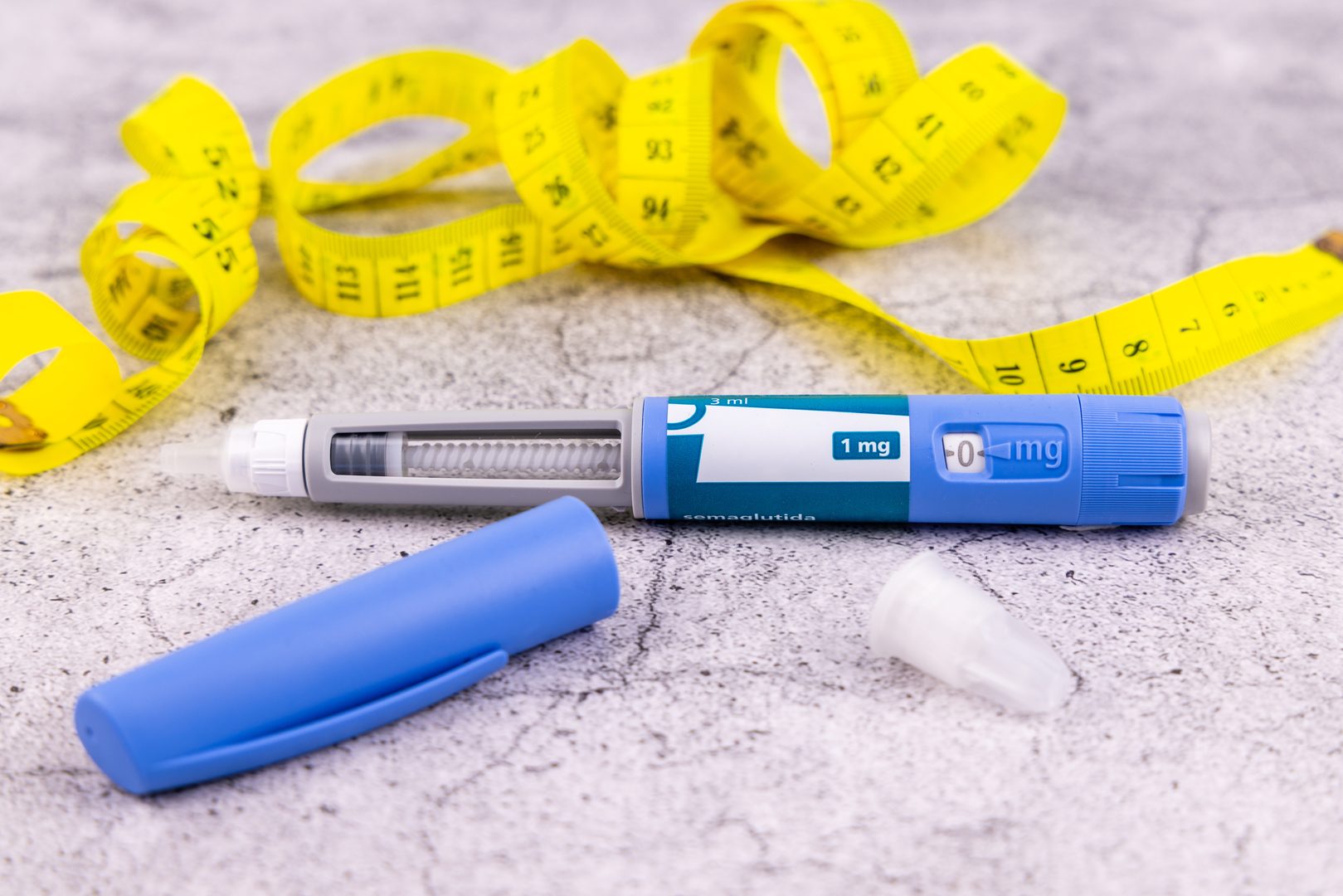
In today's world, most people are familiar with semaglutide and tirzepatide, most commonly known through brand names such as Ozempic & Mounjaro, but many are also confused about the differences between the two medications. Both were originally formulated to treat diabetes, but have recently and rapidly become mainstream weight loss treatments.
Despite their big names, both treatments have distinct characteristics that are important to know so that a patient can make more informed decisions about which one is right for them.
It can be difficult to grasp how weight loss medications work, so the following breaks down how each medication works, how effective they are, and what to consider before deciding on a treatment.
What Are Semaglutide and Tirzepatide?
Let's start with the similarities. Both of these medications are usually administered once a week via injection and were originally intended to help manage type 2 diabetes.
How do these medications help with weight loss and diabetes management? Basically, people who struggle with weight loss and insulin resistance may not be able to detect when they are full as soon as other individuals.
Semaglutide and tirzepatide can help you detect when you are full sooner, which can help you eat less often, which helps you not only lose weight, but keep blood sugar levels more predictable.
You may recognize these names better by the brand names used in their marketing: semaglutide includes Ozempic and Wegovy, while Mounjaro and Zepbound are examples of tirzepatide. Each of these medications are only available with a prescription and medical supervision.
How Do Semaglutide and Tirzepatide Medications Work in Your Body?
A simple way to explain the mechanism by which these medications work is to understand how certain hormones work, especially hormones that control hunger and are released by the gut. By mimicking these hormones we already produce naturally, these medications can curb "food noise," or the constant thoughts about food people have.
They also cause the stomach to empty into the intestines much slower after eating. This means you get fuller sooner, which means you eat less during meals. It also means you stay fuller for longer, meaning you eat less often during the day. All of these mechanisms can cause noticeable weight loss without feeling like you're starving.
So, how do these two medications differ then? Well, semaglutide mimics GLP-1, which tells the brain that you are full and slows digestion, as we talked about. Tirzepatide mimics both GLP-1 and GIP, with GIP being a hormone that both tells the brain you are full and influences how the body stores fat.
GIP is a hormone that also encourages insulin production, which is why it's effective as a diabetes medication. Basically, if GLP-1 is the main superhero that controls hunger, GIP is the sidekick. Like a sidekick, GIP appears to work best alongside GLP-1 rather than on its own — but together, the pair fights hunger better than GLP-1 alone.
That dual action — targeting both hormones instead of just one — is why many people see faster, more significant results with a tirzepatide medication such as Mounjaro or Zepbound.
Comparing Weight Loss Results: What Can You Expect?
Semaglutide has been around a lot longer, which means there is more data available on the medication. In studies that have been conducted to compare the effectiveness of semaglutide vs. tirzepatide, tirzepatide appears to be slightly more effective at causing weight loss.
Compared to subjects using semaglutide, subjects on tirzepatide lost up to three pounds more after three months and lost about seven pounds per 100 pounds of starting weight after one year. Those on tirzepatide also lose 5% more total body weight compared to those on semaglutide.
However, results may vary from person to person, as there are several factors that can influence the effectiveness of both medications, and it's important to know that both injections are highly effective.
Factors to consider include lifestyle changes such as diet and exercise (which work best together with medications), genetics, starting dosage, and other metabolic conditions such as thyroid issues. Remember, just because one may seem more effective doesn't necessarily mean it's right for you. To decide that, work with a registered dietitian and your healthcare provider.
What the Numbers Really Mean for You
What the numbers in these studies mean for you depends on how much you currently weigh. For example, if you start out weighing 200 pounds and begin taking tirzepatide, science says you should lose somewhere between 30 to 40 pounds (or 15% to 20% of your body weight) after a year. However, this is a generalization, not a guarantee, as individual factors can still vary.
It's important to know that weight isn't the only benefit these medications offer. They also work to improve insulin sensitivity, provide better blood sugar control, and reduce the risk of chronic diseases later in life by reducing weight and harmful inflammation. Even if you don't lose a dramatic amount of weight, there are still many health benefits to be had from both medications.
Side Effects: What You Should Know
Since both medications are similar, they also carry the possibility of similar side effects, especially digestive problems. That said, most people tolerate them well, and the effects usually fade as the body adjusts. They tend to be most intense when starting out or when going up in doses.
The most common side effects include:
- Nausea and vomiting
- Constipation
- Diarrhea
- Stomach cramping
- Bloating
- Low blood sugar
- Changes in taste
It's been reported that tirzepatide may cause more noticeable side effects due to the fact that it targets two hormonal pathways rather than just one like semaglutide.
In comparing the two medications, Dr. Devon Allen, Top Nutrition Coaching's medical contributor, notes: "The side effect profiles of these are very similar. That being said, tolerance to these medications varies significantly by patients."
Because higher doses typically cause more dramatic side effects, it's usually wise to start low and then increase slowly. The risk of side effects is one reason medical supervision on these medications is so critical.
Symptoms can also be managed by eating slowly, eating smaller meals, being mindful of hydration, and avoiding greasy or fried foods that can cause further indigestion. More serious side effects like pancreatitis, gallbladder or kidney problems, and allergic reactions are rare, but do happen. So it's important to maintain communication with your prescriber.
Cost and Insurance Coverage Considerations
What could easily be called the number one concern or barrier when considering weight loss medications is the cost, as it can be tough to fit into most budgets month-to-month without insurance coverage. Coverage across all providers varies and is changing as we speak.
Dr. Allen points to cost as the deciding factor for many patients: "The most prohibitive factor in choosing among these medications is usually the cost. Unfortunately, these medications are often not covered by the patient's insurance and need to be paid for out of pocket. However, if it is covered, then that will likely guide the choice between them."
When insurance isn't an option, Dr. Allen notes there are still other paths worth exploring: "If they are not covered, then we can look at any existing 'coupons' or discounts, for example, buying directly from the pharmaceutical companies, which are Novo Nordisk for Wegovy (semaglutide) and Eli Lilly for Zepbound (tirzepatide)."
However, insurance coverage for diabetes is typically better than for just weight loss, which can make it easier to get medications like semaglutide or tirzepatide. Since semaglutide has been around the longest, it may be more widely covered by insurance, but check with your current provider and talk about your options with your prescriber. You can also ask about working with a dietitian, as counseling to make the medication even more effective may be more likely to be covered by your insurance plan.
Which Medication Might Be Right for You?
Despite all of the information provided here on semaglutide vs. tirzepatide, the final decision should be made with your prescriber, who can give you the best advice based on your individual needs, existing medications, and personal health history.
That said, semaglutide may be a better fit for those who prefer an option with more data behind it, are more likely to have it covered by insurance, and want a tablet option (Rybelsus) if they're not a fan of injections. Semaglutide also has more data supporting its effectiveness for improving the health of those also dealing with heart and kidney issues.
Dr. Allen adds that past experience with a medication often carries real weight in this decision: "Another factor to be considered is the patient's previous experience with either of these medications. If they have been on one in the past that they have tolerated well and had good weight loss success with, then that would be a good choice to start with, assuming cost is not a factor."
If you decide on one and find out it's not for you, don't worry. You can always ask your prescriber to switch. The "best choice" will always depend on the individual, and you may not find the right one right away.
To get there, it's a good idea to clearly communicate your goals and concerns with your prescriber and work with a registered dietitian to successfully implement lifestyle factors that help make the medication as effective as possible.
Considering a GLP-1? Here's How Top Nutrition Coaching Can Help
If you're exploring GLP-1 medications for weight loss or blood sugar management, medicine is only half the answer. Top Nutrition Coaching can match you with a licensed prescriber to see if a GLP-1 prescription (such as semaglutide or tirzepatide) is right for you, then pair you with a registered dietitian to support you through the process — helping manage side effects, protect muscle mass, and build habits that make your results last.
Many insurance plans cover dietitian sessions, and some plans cover them at no additional cost, though coverage varies by plan and isn't guaranteed. A prescription requires a medical consultation and isn't guaranteed either.
Take our quick quiz to see what your insurance covers and get matched with support.
Related: Online Diabetes Dietitians
Frequently Asked Questions
What is the difference between semaglutide and tirzepatide?
Semaglutide and tirzepatide are both medications for weight loss and blood sugar management, but tirzepatide typically yields greater weight reduction.
Is tirzepatide more effective than semaglutide for weight loss?
Clinical trials and data analysis demonstrate that tirzepatide generally leads to greater weight loss than semaglutide due to the fact that tirzepatide targets two gut hormone receptors (GLP-1 and GIP), whereas semaglutide targets only one (GLP-1).
What are the side effects of semaglutide vs. tirzepatide?
Both semaglutide and tirzepatide commonly cause side effects such as gastrointestinal issues that peak during dose increases.
How do semaglutide and tirzepatide work differently in the body?
Semaglutide and tirzepatide work by mimicking gut hormones, but their mechanisms differ. Semaglutide (known as Ozempic and Wegovy) is a single receptor agonist that targets GLP-1, whereas tirzepatide (Mounjaro and Zepbound) is a dual agonist targeting both GLP-1 and GIP receptors.
How much does semaglutide cost compared to tirzepatide?
Without insurance, monthly out-of-pocket retail prices for brand-name semaglutide (e.g., Wegovy or Ozempic) range from $1,000 to $1,900. Brand-name tirzepatide (Zepbound or Mounjaro) typically runs slightly higher, ranging from $1,000 to $1,600 per month.
Can I switch from semaglutide to tirzepatide if I'm not losing enough weight?
Yes, you can discuss switching from semaglutide to tirzepatide with your prescriber if you are experiencing a weight-loss plateau.
Which medication has worse nausea: semaglutide or tirzepatide?
Both medications are notorious for causing nausea, but clinical studies and patient feedback are split on which is worse.
Is tirzepatide FDA-approved for weight loss like semaglutide?
Yes, tirzepatide is FDA-approved for weight loss under the name Zepbound.
What's the difference between Ozempic, Wegovy, Mounjaro, and Zepbound?
These popular medications cover two active drug formulas: semaglutide (Ozempic and Wegovy) and tirzepatide (Mounjaro and Zepbound). These are all injectable medications that alter blood sugar and reduce appetite, but they differ primarily by their approved uses, active ingredients, and weight-loss efficacy.
.webp)