See if You Qualify to Get a Zepbound Prescription Online
With expert Registered Dietitian support
 A once-weekly injection to help you feel full and eat less
 FDA-approved for weight loss
 Paired 1:1 with a registered dietitian — not just a prescription
Important Safety Information: Zepbound is FDA-approved for chronic weight management and to treat moderate to severe obstructive sleep apnea in adults with obesity. Zepbound may have serious side effects, including possible thyroid tumors. Do not use if you or your family have a history of a type of thyroid cancer called MTC or MEN 2. Read more about serious warnings and safety info.
As Little as $0 Out of Pocket
Co-pay and co-insurance may apply.
Check My Eligibitily
What is Zepbound
Everything you need to know before you start — what it is, how it works, and what it costs with Top Nutrition Coaching.
What Is Zepbound?
Zepbound is an FDA-approved weight management medication. It uses the drug tirzepatide to help manage your hunger hormones and appetite.
Unlike other popular off-label medications used for weight loss, this one is specifically on-label. It was created for adults with obesity or overweight. It was also the first medication FDA-approved to treat moderate-to-severe obstructive sleep apnea (OSA) in adults with obesity.
If getting to a doctor's office is hard, Top Nutrition Coaching can connect you with a licensed prescriber online who can determine whether Zepbound is right for you.
How Does Zepbound Work?
Zepbound works on two hormones in your body:
- GLP-1 — The “Fullness” Signal: A hormone naturally released by your intestines after you eat. It tells your brain you’re full and satisfied, and can stop eating. It also slows how fast your stomach empties food, making you feel fuller for longer.
- GIP — The “Craving and Fat” Manager: Released when you digest food to manage how your body uses the energy. It targets the reward centers of your brain, decreasing cravings since you feel more satisfied. GIP may also affect how your body stores and uses energy, and may help reduce cravings. Overall, it can make eating feel calmer instead of a fight against cravings or overeating.
Because Zepbound targets these two hormone pathways (and other weight-loss medications target only one: GLP-1), it tends to have a stronger effect. GLP-1 makes you feel full, while GIP works on cravings. It’s one of the main reasons why people tend to lose more weight on Zepbound than with single-hormone medications.
How Do You Take Zepbound?
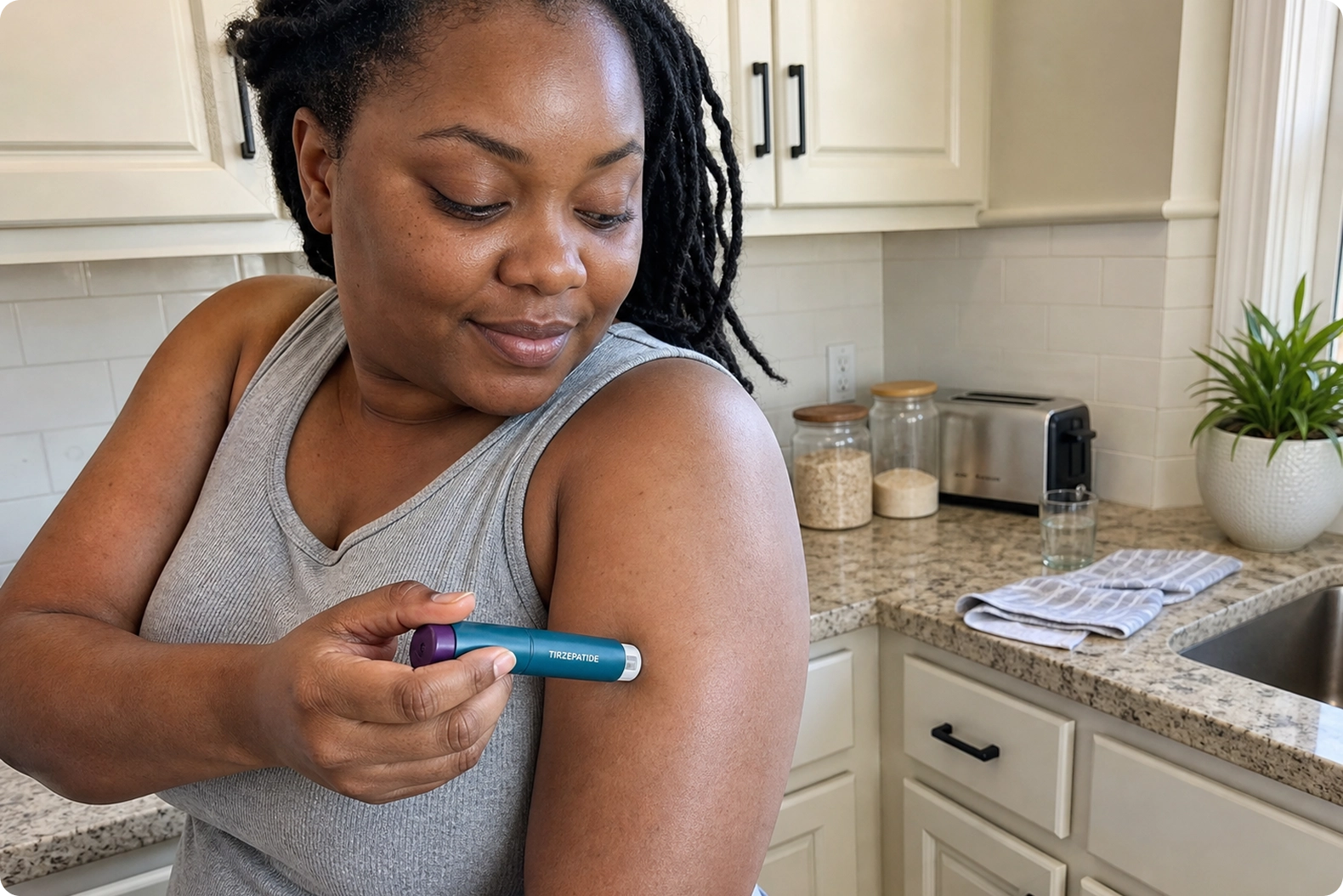
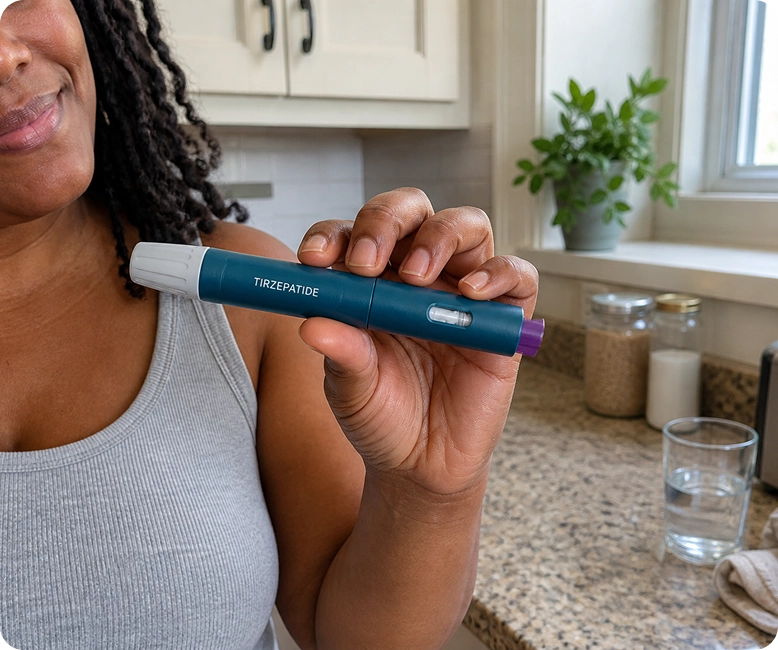
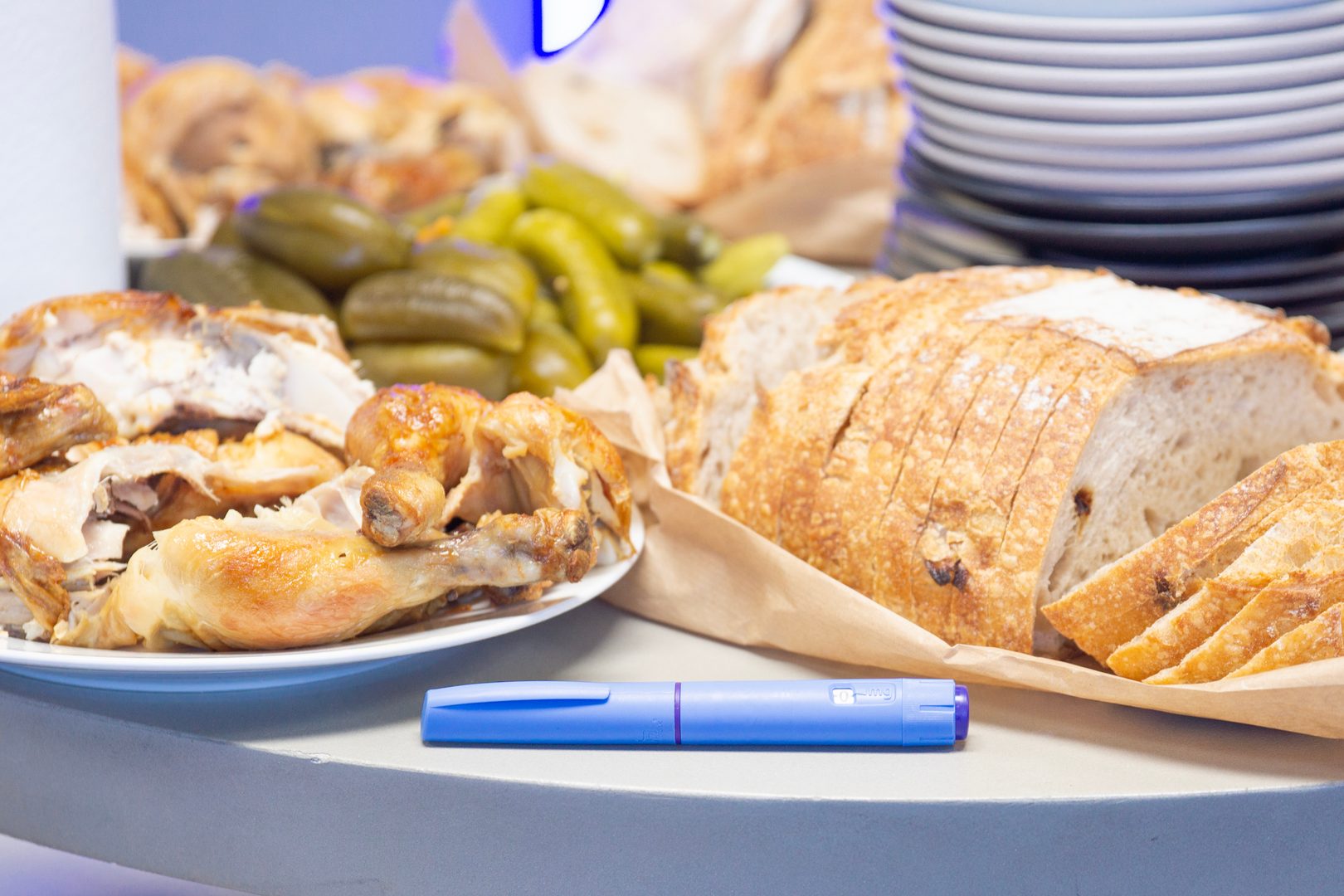
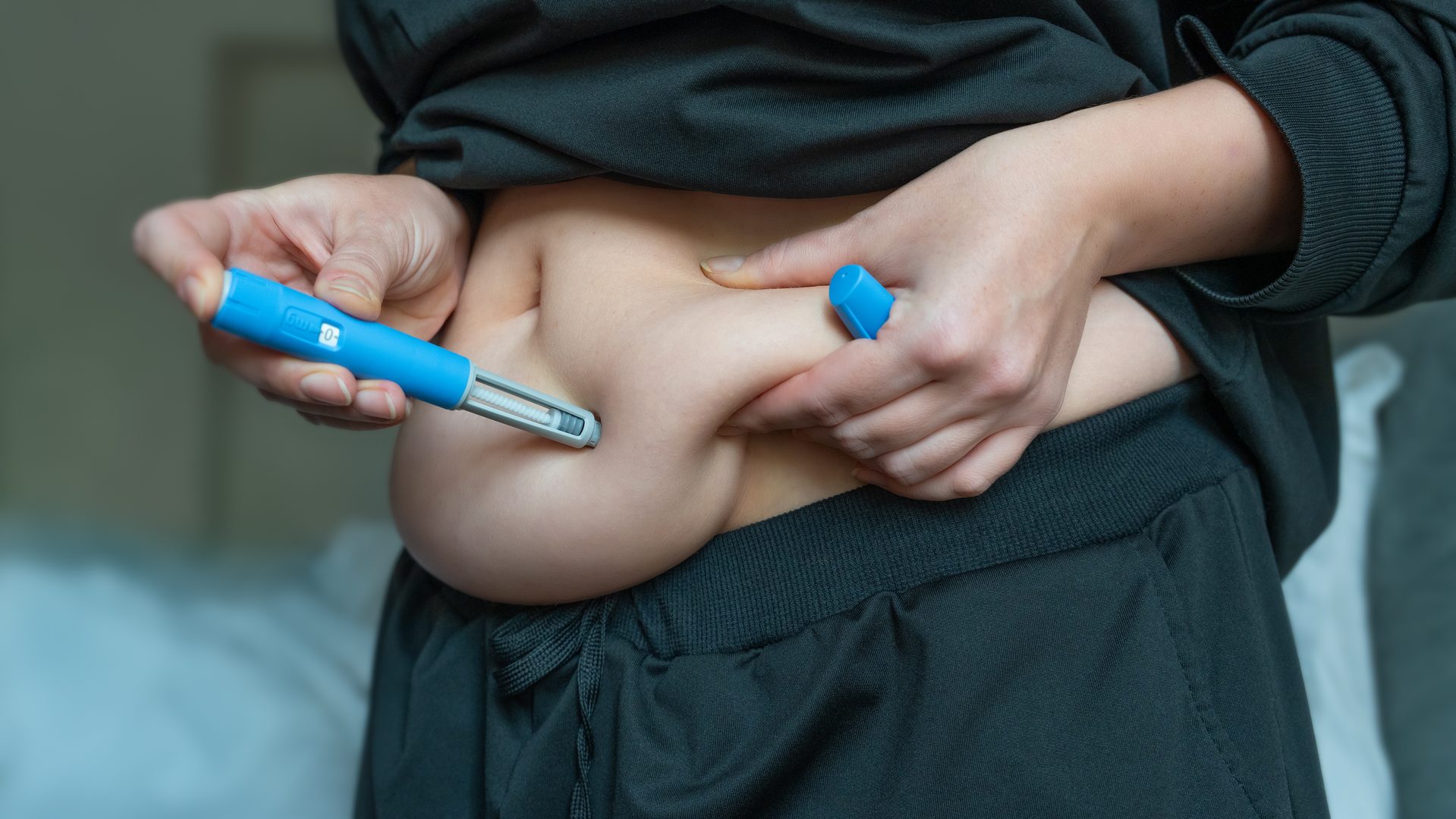
Zepbound is a once-weekly injection, you alternate between common injection sites like the abdomen, thigh, or upper arm. It comes as a single-dose pre-filled pen or vial (the pen is generally easiest to use and most discreet — but also more expensive if you’re not covered).
Your prescriber will likely start you on a lower dose and gradually increase it over time. Zepbound's general dosing schedule works in increments, increasing by 2.5 mg every four weeks:
- Weeks 1-4: Starting dose of 2.5 mg once weekly
- Weeks 5-8: Maintenance dose of 5 mg once weekly
- Weeks 9+: Increase by 2.5 mg every 4 weeks if needed and tolerated until maximum
- Maximum: 15 mg once weekly
Most maintenance doses are 5 mg, 10 mg, or 15 mg. Your dose will depend not just on your individual health factors and starting point, but how you respond to the medication. Many don’t need the maximum of 15 mg — the goal is to find a dose that works with minimal side effects and risk.
What Are the Common Side Effects of Zepbound?
The most common side effects of Zepbound are digestive, and they usually show up when your dose goes up:
- Nausea, vomiting, diarrhea, or constipation
- Abdominal pain, indigestion, or heartburn
- Fatigue, hair loss, or injection site reactions
Your RD can help you build a meal and hydration plan that eases gastrointestinal side effects, so they're easier to manage while you stay on track.
Some serious side effects need medical attention right away. These include severe stomach problems, dehydration that can lead to kidney issues, dizziness or a rapid heartbeat, and allergic reactions like hives, swelling, or trouble breathing or swallowing. Zepbound also carries a possible risk of thyroid tumors, including thyroid cancer. Tell your prescriber right away if nausea, vomiting, or diarrhea doesn't go away.
This takes it from two headers and two lists down to one short list and one paragraph. Every side effect from the original is still there, grouped together. I cut the line saying side effects are a main reason people stop taking the medication, because it hurts conversion. The GI link now backs up the RD line instead. I also changed "healthcare provider" to "prescriber" to match the rest of the page.
How Top Nutrition Coaching Works
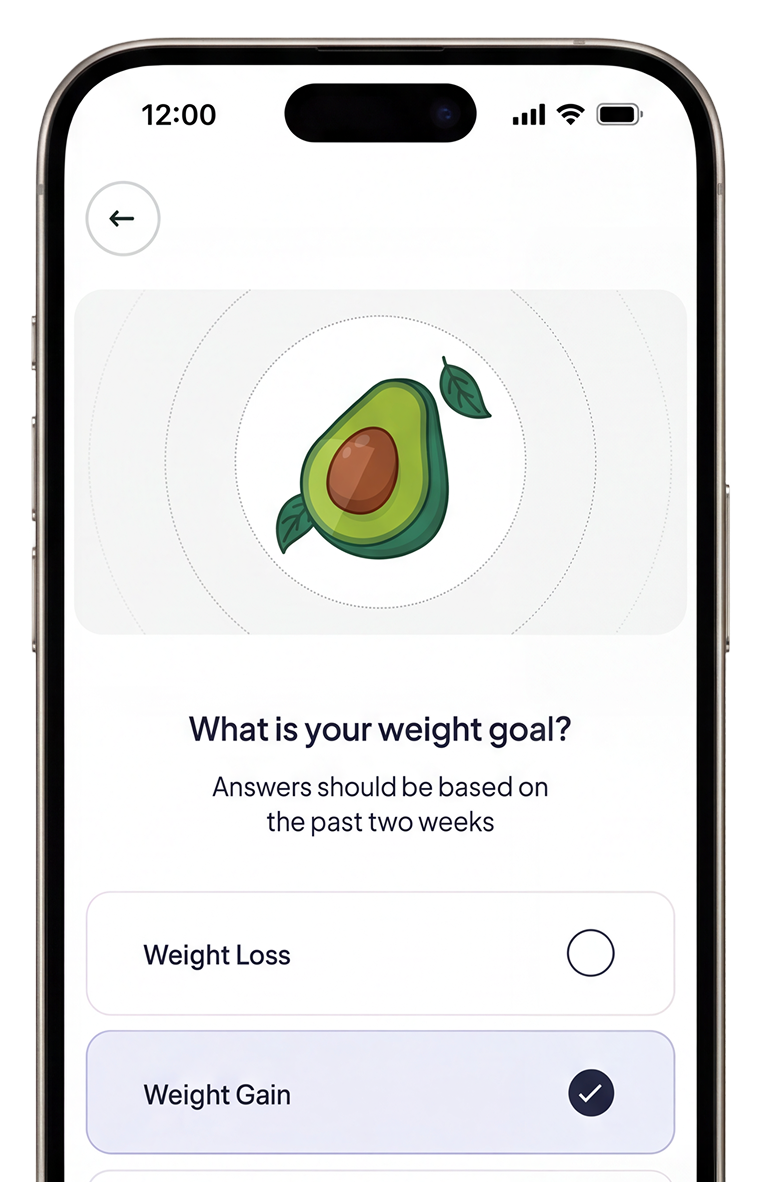
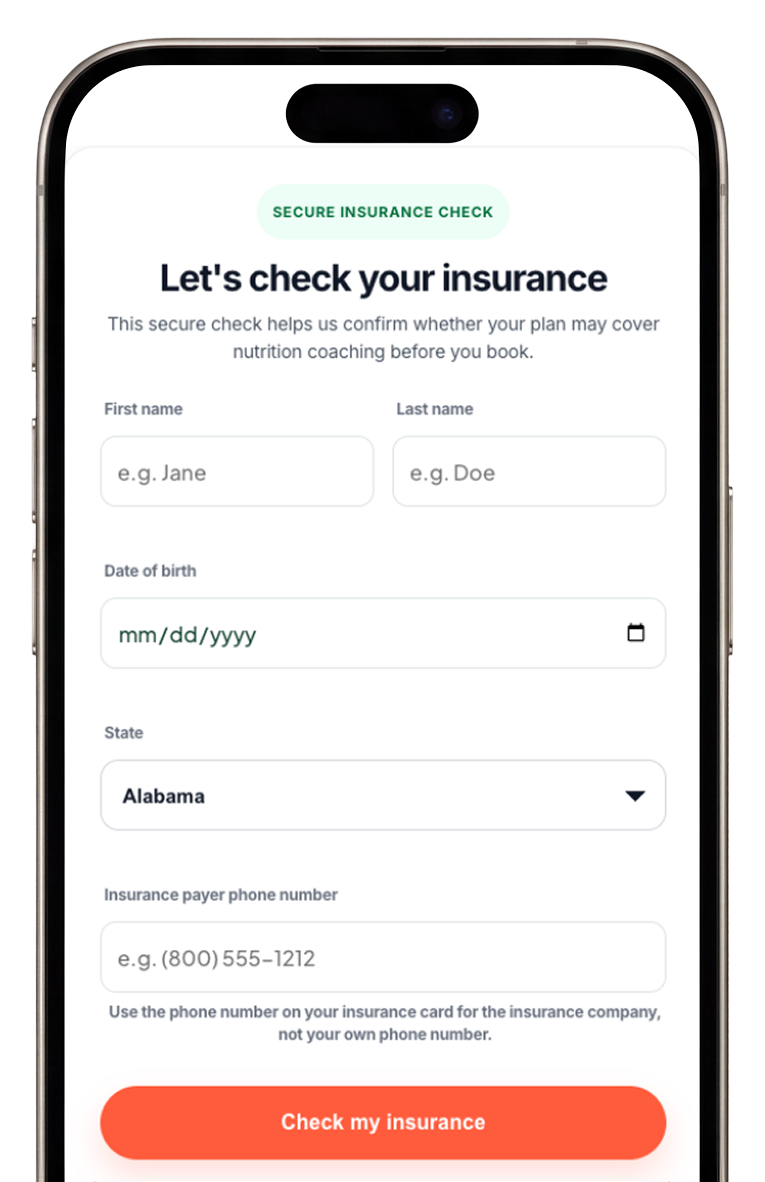
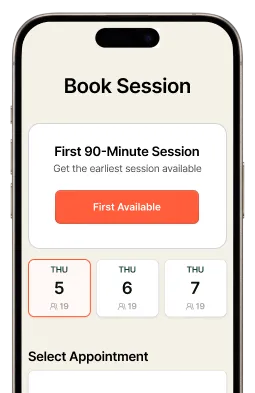
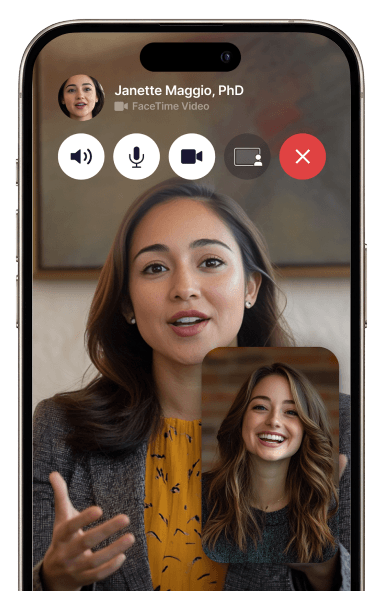
Getting a Zepbound Prescription Online - What You Need to Know
Can You Get Zepbound Prescribed Online?
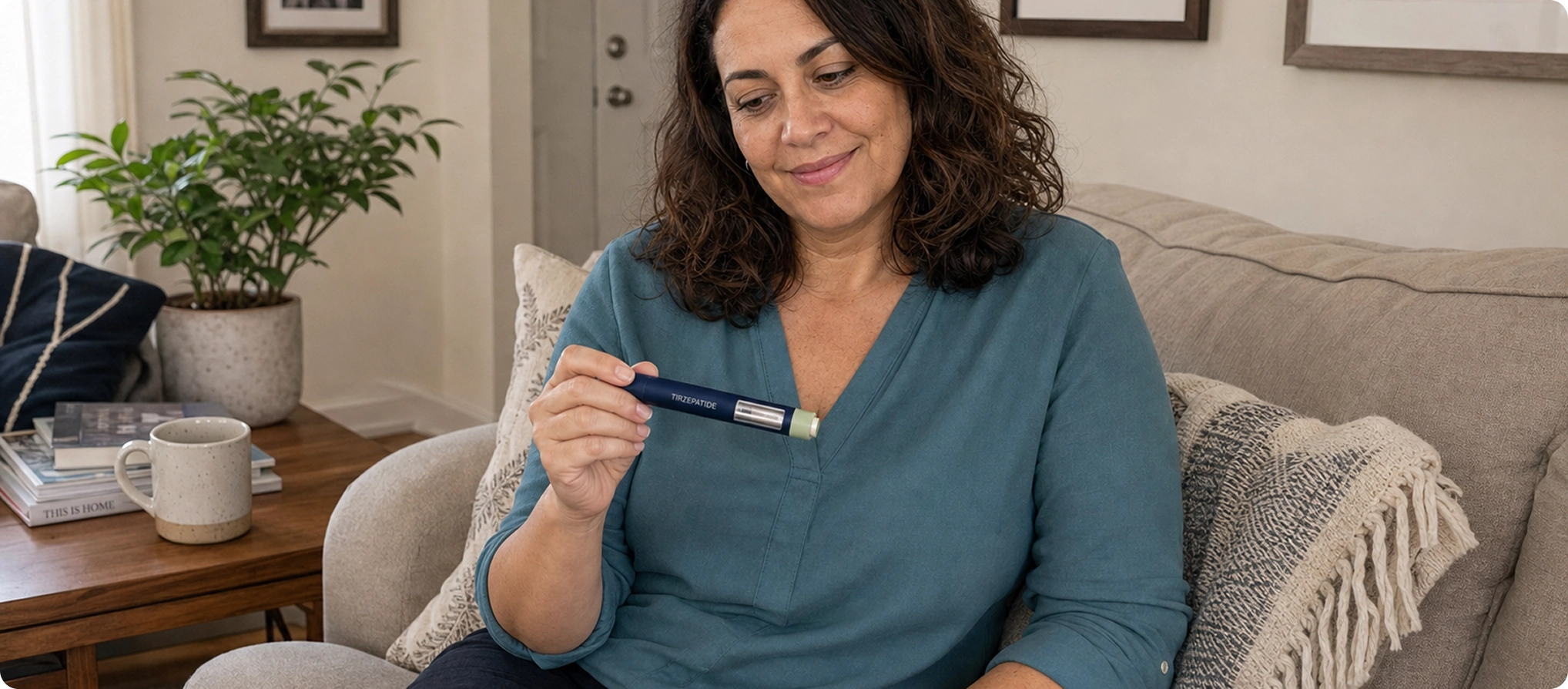
Yes, Zepbound can be prescribed online by consulting with a licensed prescriber. If getting to a doctor's office is hard, Top Nutrition Coaching can connect you with a licensed prescriber (this may be a physician, nurse practitioner, or physician assistant) who can evaluate whether Zepbound is right for you, all online. During a virtual consultation, your prescriber reviews your weight history, health conditions, current medications, and goals. If you have obstructive sleep apnea, they'll consider that too. Then they'll recommend the treatment option that fits you best, which may include Zepbound.
What makes this different from a prescription-only service is the support around it. The same platform connects you with a registered dietitian who can help you get enough protein, manage side effects like nausea, and build eating habits that last beyond the medication. That way you're not figuring it all out on your own.
When you compare options online, look for FDA-approved Zepbound prescribed after a real medical evaluation. Compounded tirzepatide isn't FDA-approved and hasn't gone through the same review for safety, effectiveness, or quality.
Is Zepbound Approved for Weight Loss and Who Qualifies?
Unlike some medications that are prescribed for weight loss off-label, Zepbound is FDA-approved specifically for chronic weight management in adults who:
- Have obesity (BMI of 30 or higher)
- Are overweight (BMI of 27 or higher) and
- Have at least one weight-related condition (high blood pressure, type 2 diabetes, or high cholesterol)
Zepbound is also FDA-approved for moderate-to-severe OSA in adults with obesity, so you can qualify based on that diagnosis as well.
Keep in mind that it’s intended to be used with lifestyle changes, including a healthy diet and physical activity. Working on these changes with an experienced registered dietitian (RD) can give you the support needed to maintain these habits long after stopping the medication.
What to Expect During Your Online Consultation
A medical consultation should dive deep into your history. Expect to talk about your:
- Health goals
- Weight history
- Previous weight-loss attempts
- Health conditions and medications
Prepare for the appointment with your basic information ready, like your height, weight, medication list, and insurance documents. If you have OSA, bring your diagnosis or sleep study results.
Share as much as you can. It helps your prescriber decide whether Zepbound is the right fit for you.
How Much Does Zepbound Cost?
You’ve probably heard about how expensive weight loss medications are. So if you’re wondering if you can afford it, you’ll have to do a bit of research into your insurance plan and the dose you’ve been prescribed.
Coverage, benefits, and out-of-pocket costs vary by individual health plan, member eligibility, and applicable plan terms. Medication costs are billed separately.
Is Zepbound Covered by Insurance?
Many insurance plans exclude weight-loss medications because of their high cost. However, some will cover Zepbound. They’ll likely ask for prior authorization from your provider, which proves that you’ve met the criteria for the prescription.
Call your insurance company and ask if Zepbound is covered for your specific diagnosis. From there, find out if you need prior authorization and what you can expect to pay out of pocket.
How Much Does Zepbound Cost Without Insurance?
Without insurance, Zepbound can be very expensive (potentially $499 to $1,086.37 per fill, depending). You can see if you’re eligible for Zepbound’s self-pay options through LillyDirect savings programs.
You can also sometimes pay less if you use the self-pay vials instead of the pre-filled pens. Just check the costs through the manufacturer, Eli Lilly, for your specific dose first so you know what to expect.
How Much Weight Can I Lose on Zepbound?
This is likely the number one question people ask, and for good reason. Many people have spent years trying diet after diet and feeling the frustration that comes with it. Changing habits takes time, and we tend to try and change everything too quickly, leading to frustration because it’s just not practical. Going slow and practical is usually the way to go for long-term change, but it takes effort and support.
With medication, there's no way to predict an exact number for your weight loss because it depends on a variety of things, including:
- Consistency
- Dose reached
- Starting weight
- Other health conditions
- Metabolic rate (age, genetics, thyroid health)
- Lifestyle habits (diet quality, physical activity, sleep, stress, etc.)
A 2022 clinical trial followed just over 2,500 adults with obesity or overweight for 72-weeks. Those taking the highest dose (15 mg) lost about 21% of their body weight. Those taking 5 mg lost around 15%.
Another 2025 study showed that people lost about 34% of their total fat mass and 11% of their lean muscle mass (muscle mass loss is common in weight loss).
Keeping the Weight Off
While the medication sounds like a quick fix for weight loss, there’s a very important part often overlooked: sustaining it.
A recent clinical trial showed a strong “rebound” effect: after stopping Zepbound, people regained around 60% to 64% of the weight they lost within one year of stopping (total body weight regain of 14%).
A systematic review covering 48 studies with thousands of patients reaffirms these results. They found that on average, people regain 60% of the weight they lose within one year of stopping medication. Just six months after, you’re likely to gain back half of what you lost. Weight regain tends to plateau eventually, though, at around 75% of the lost weight regained.
Those numbers aren't a reason to skip treatment. They show why medication works best as part of a bigger plan. Zepbound quiets hunger and cravings, and that opens a window to build eating habits that can last after you stop taking it.
A registered dietitian can help you make the most of that window. Your RD can help you get enough protein to protect muscle, put together satisfying meals when your appetite is small, and work through emotional eating patterns without judgment. The goal isn't a strict diet. It's building routines that fit your life, so you feel prepared for whatever comes next, whether you stay on the medication or eventually stop.
The Importance of Registered Dietitian Support When Taking Zepbound
If you’re taking Zepbound, you’ll likely notice you’re not as hungry anymore. It can feel like a relief to have more mental space, since you may not be fighting cravings anymore. However, it can also lead to eating so little that you develop nutrient deficiencies or lose more muscle mass than needed.
A registered dietitian specializing in weight loss medications understands the importance of setting habits during this time. They can help you get enough protein, fluids, and essential nutrients, manage side effects like nausea, and build habits that support your energy and muscle mass while you lose weight.
And the support isn't just about food. Weight carries a lot of emotions — frustration, shame, body image concerns, or the feeling that you've "failed" every diet you've tried. Having someone in your corner who understands that feeling, without judgement, can make the process feel much less lonely. An RD can help you work through setbacks, set realistic goals, and slowly change habits that fit into your lifestyle.
Read More About GLP-1 Medications

Explore Other GLP-1 Medications

Meet Your Care Team
We carefully vet every provider we partner with, so you get care that's built around you. Each GLP-1 prescriber (MDs/NPs) and RD is board-certified, licensed, and clinically trained.
Your licensed prescriber and RD will stay with you through every dose change and side effect, not just the first prescription.
“My mission is to help people stop blaming themselves and start building a life that works with their brain, not against it.




Zepbound is FDA-approved for chronic weight management in adults with obesity or overweight, or obstructive sleep apnea with obesity.
Yes. First you'll need a prescription. Top Nutrition Coaching can connect you with a licensed prescriber who can evaluate whether Zepbound is right for you during an online consultation. If they prescribe it, you can fill it at your local pharmacy, a mail-order pharmacy through your insurance, or online through LillyDirect, Eli Lilly's self-pay pharmacy service. Medication costs are billed separately, and coverage depends on your plan.
The Zepbound pen is a pre-filled, ready-to-use injection device, while the vial contains the medication that you draw up with a syringe before injecting. Both have the same medication, but the pen is usually more convenient and discreet, while the vial can be a lower-cost option.
No. Zepbound is an FDA-approved brand-name medication, while compounded tirzepatide is made by a compounding pharmacy and is not FDA-approved. If you're considering compounded medication, make sure you understand exactly what you're being prescribed and why.
Zepbound and Mounjaro have the same active ingredient, tirzepatide, but are meant for different conditions. Zepbound is for weight management and sleep apnea (with obesity), while Mounjaro is for type 2 diabetes.
Both are once-weekly medications for weight management, but with different active ingredients. Zepbound activates two hormone pathways (GIP and GLP-1), while Wegovy activates one (GLP-1), which may explain why Zepbound shows more average weight loss in trials.