
See if You Qualify to Get a Trulicity Prescription Online
With expert Registered Dietitian support
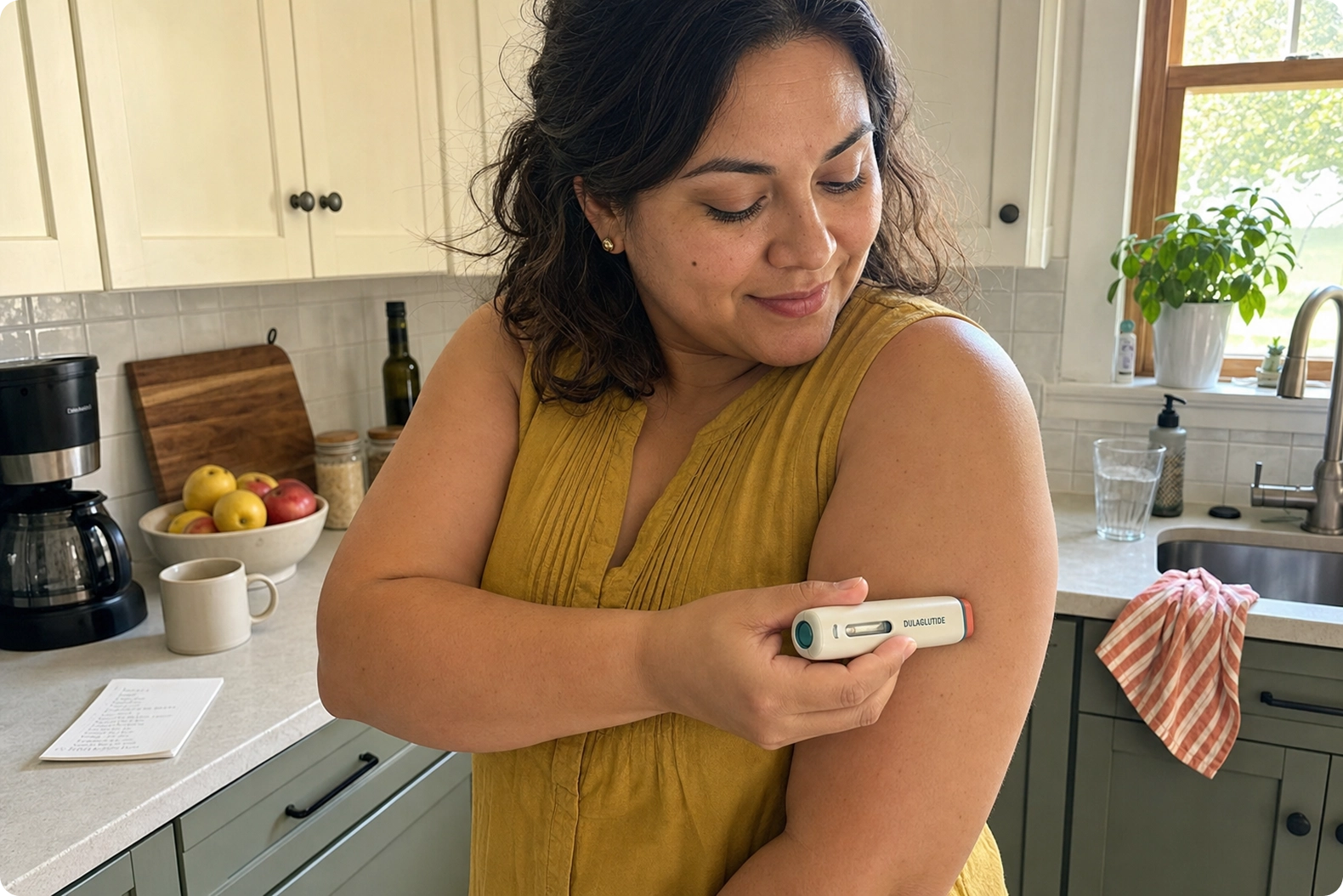
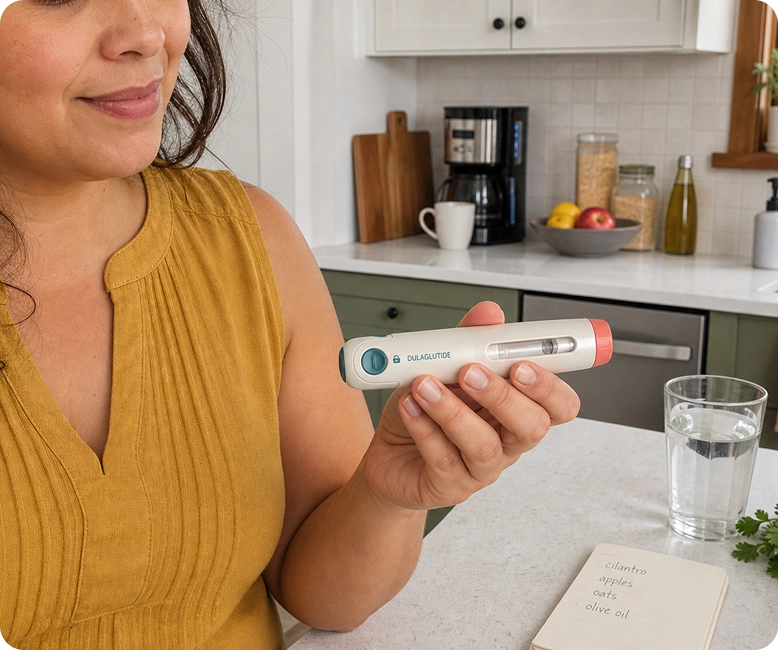
 A once-weekly dulaglutide injection
 FDA-approved GLP-1
 Paired 1:1 with a registered dietitian — not just a prescription
Important Safety Information: Trulicity treats type 2 diabetes but may be prescribed off-label for weight loss, if appropriate. Trulicity may have serious side effects, including possible thyroid tumors. Do not use if you or your family have a history of a type of thyroid cancer called MTC or MEN 2. Read more about serious warnings and safety info.
As Little as $0 Out of Pocket
Co-pay and co-insurance may apply.
Check My Eligibitily

What is Trulicity?
Everything you need to know before you start — what it is, how it works, and what it costs with Top Nutrition Coaching.
What Is Trulicity?
Trulicity uses a similar active ingredient to other medications, called dulaglutide. It also impacts GLP-1, the hormone that naturally regulates your appetite and digestion. Made by Eli Lilly, it was created to help manage blood sugar in people with type 2 diabetes.
It’s also FDA-approved to reduce the risk of major cardiovascular events, like heart attack and stroke, in adults with type 2 diabetes and cardiovascular risks.
While many take it for weight loss, its main job is to help manage blood sugar. It’s also meant to be used alongside lifestyle changes, including a healthy diet and exercise routine.
How Does Trulicity Work?
Trulicity aims to manage insulin, the hormone that tells your cells to let sugar in for energy.
The medication comes into effect after you eat, when your blood sugar rises. It acts like your body's natural GLP-1 hormone, signaling your pancreas to release the right amount of insulin to process the sugar, preventing big spikes and dips.
It also slows down how fast food leaves your stomach so that sugars are released into your bloodstream more slowly. Because food stays in your stomach longer, you also feel fuller for more time. This helps lead to weight loss, even though it isn’t the main goal.
How Do You Take Trulicity?
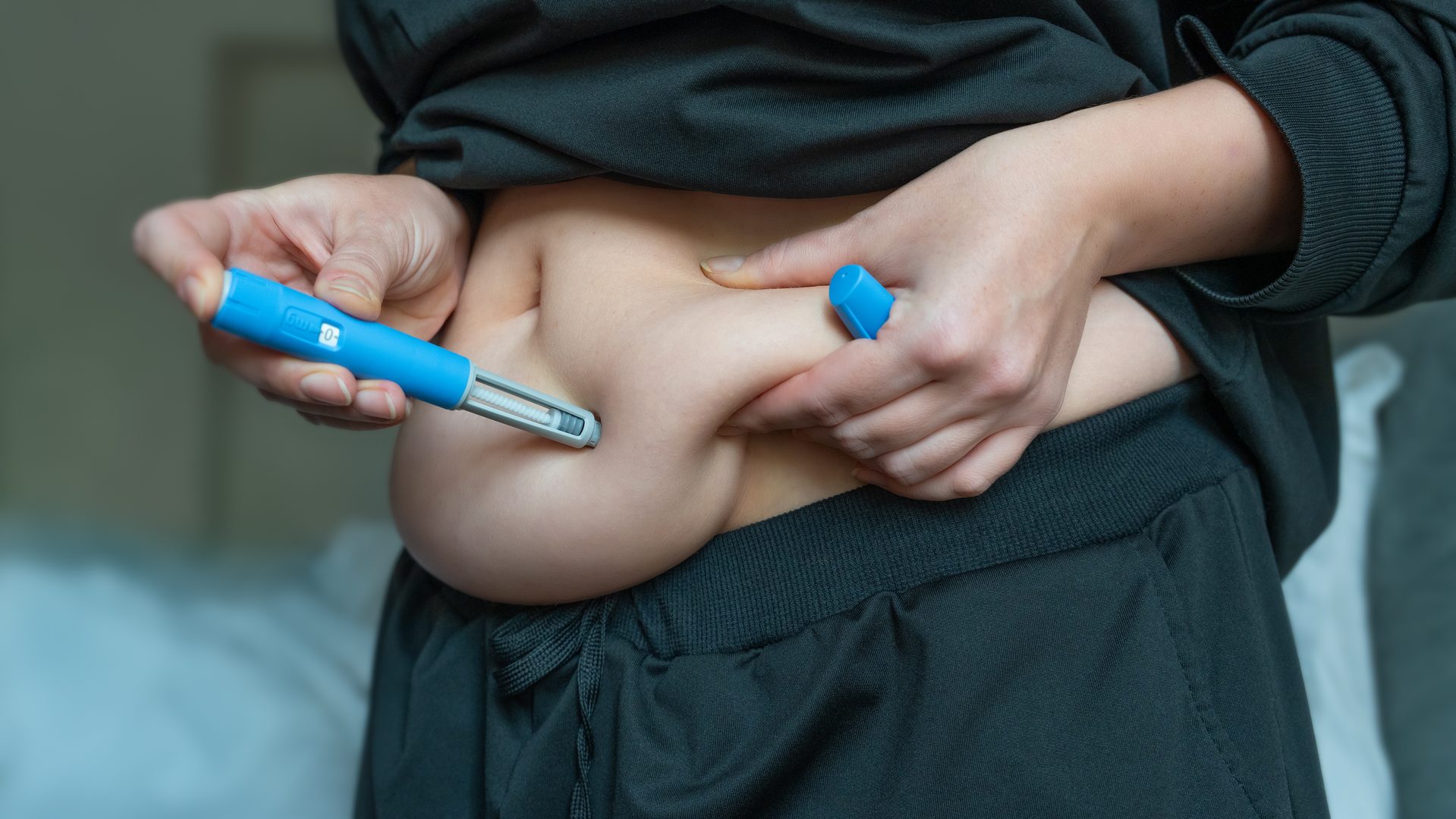
Trulicity is taken once weekly as an injection in the stomach, thigh, or upper arm. It comes as a single-use, prefilled pen with the needle hidden inside.
The starting dose is typically 0.75 mg once weekly, gradually increasing to 1.5 mg, 3 mg, or 4.5 mg if needed. You usually stay at one dosage for four weeks to give your body time to adapt before increasing.
What Are the Common Side Effects of Trulicity?
The most common side effects of Trulicity are digestive, and they usually show up when you first start or when your dose goes up:
- Nausea, vomiting, diarrhea, or constipation
- Stomach pain, heartburn, or decreased appetite
- Fatigue
Your RD can help you build a meal and hydration plan that eases these side effects, so they're easier to manage while you stay on track.
Some serious side effects need medical attention right away. These include ongoing stomach pain that may spread to the back, pain in the upper stomach with fever or yellowing of the skin or eyes, vision changes, dizziness, fainting, or a fast heartbeat, and allergic reactions like hives, swelling, or trouble breathing or swallowing. Trulicity also carries a possible risk of thyroid tumors, including thyroid cancer. Tell your prescriber right away if any symptoms get worse or don't go away.
How Top Nutrition Coaching Works
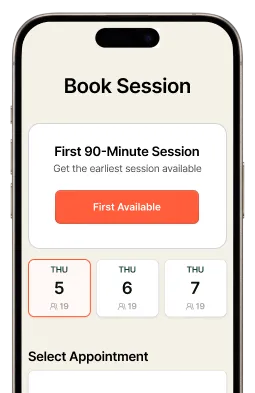

Getting a Trulicity Prescription Online - What You Need to Know

Can You Get Trulicity Prescribed Online?
Yes. Top Nutrition Coaching connects you with a licensed prescriber (this may be a physician, nurse practitioner, or physician assistant) who can evaluate whether Trulicity is right for you, all online. During a virtual consultation, your prescriber reviews your diabetes history, recent A1c or blood sugar results, current medications, and goals. Then they recommend the treatment that fits you best, which may include Trulicity.
Because the same platform connects you with a registered dietitian, you get nutrition support alongside your medication. Your RD can help you build balanced meals that support steady blood sugar, manage side effects like nausea, and create habits that last.
If weight management is your main goal, your prescriber can also talk you through other options, including medications that are FDA-approved for chronic weight management, like Wegovy or Zepbound.
Who Qualifies for Trulicity?
You might qualify for Trulicity if you have type 2 diabetes and need blood sugar medication support alongside diet and exercise. Your prescriber will decide whether Trulicity is a good fit after reviewing your health history and needs, and Top Nutrition Coaching can connect you with one online.
Can Trulicity Be Prescribed for Weight Loss?
When a doctor prescribes a medication not for its intended purpose, it’s an “off-label” prescription.
There are many medications taken for weight loss that are not actually FDA-approved for it. Most were designed and approved for type 2 diabetes, with weight loss being a consequence.
Trulicity falls under the category of GLP-1 medications FDA-approved for type 2 diabetes, not weight loss. You might still get it prescribed off-label, but that’s up to your doctor.
Dulaglutide in particular has more modest weight loss compared to others. Semaglutide or tirzepatide tend to show more weight loss in trials, and both are available in versions FDA-approved for weight management (Wegovy and Zepbound). Your prescriber can walk you through which option fits your goals.
What to Expect During Your Online Consultation
Since Trulicity is for adults with type 2 diabetes, your doctor will likely ask about:
- Diabetes history
- Kidney, liver, and other health conditions
- Blood glucose and A1c levels
- Current medications and supplements
- Stress, diet, and physical activity patterns
- How you responded to previous treatments
Come prepared with test results, medication lists, and your full medical history.
How Much Does Trulicity Cost?
Medication costs fluctuate and depend on your insurance plan.
Is Trulicity Covered by Insurance?
Trulicity is often covered by commercial insurance, Medicare, and Medicaid plans — but that doesn’t mean it's guaranteed.
Since it’s FDA-approved for type 2 diabetes, you might not get it covered if you don’t have that diagnosis. So even if you get a prescription, check your insurer's current formulary before starting treatment and ask about:
- Your copay or coinsurance
- Whether Trulicity is covered
- Whether you've met your deductible
- Whether prior authorization is required
- Whether there are preferred alternatives
How Much Does Trulicity Cost Without Insurance?
If your insurance won’t cover Trulicity, check Lilly’s website for savings programs. You might be eligible for their savings card or manufacturer savings programs. These often come with eligibility requirements, which don’t usually apply to people with government insurance (like Medicare or Medicaid).
How Much Weight Can I Lose on Trulicity?
No one can tell you exactly how much weight you’ll lose on Trulicity (or any medication).
While Trulicity is another GLP-1 medication, it doesn’t work quite the same way as some of the other more famous ones. Since it uses a different active ingredient, dulaglutide, it doesn’t have as strong an impact on appetite. It’s also usually a lower dose than others and is primarily prescribed for blood sugar and cardiovascular outcomes in people with type 2 diabetes.
In the end, weight loss depends on a multitude of factors like:
- Dosage
- Starting weight
- Age, sex, height, genetics
- Health condition, medications
- Consistency and length of medication usage
Importantly, lifestyle factors play a massive role. All weight loss or type 2 diabetes medications are meant to be taken alongside diet and physical activity changes.
The Importance of Registered Dietitian Support When Taking Trulicity
Being healthy isn’t the same as losing weight — or even maintaining a “healthy” weight.
Nutrition is key at every stage of life, and when you’re eating less, you’re also getting fewer nutrients. Medications can sometimes suppress your appetite so much that you develop deficiencies. There’s also muscle mass to consider, which is often lost alongside fat. Greater muscle mass loss is possible without enough protein and proper overall nutrition.
A registered dietitian (RD) works with you to develop healthier habits and get the nutrition you need. They don’t just hand you a standard diet plan — they learn about your lifestyle, goals, and needs. Together, you find ways to develop healthier eating habits that can last even after the medication stops when your appetite returns.
Weight Regain After Stopping Trulicity
The majority of people on GLP-1 medications regain about 60% of the weight they lost within a year of stopping. With an experienced weight loss dietitian, you can learn what will help prevent going back to old habits and yo-yo weight loss and dieting.
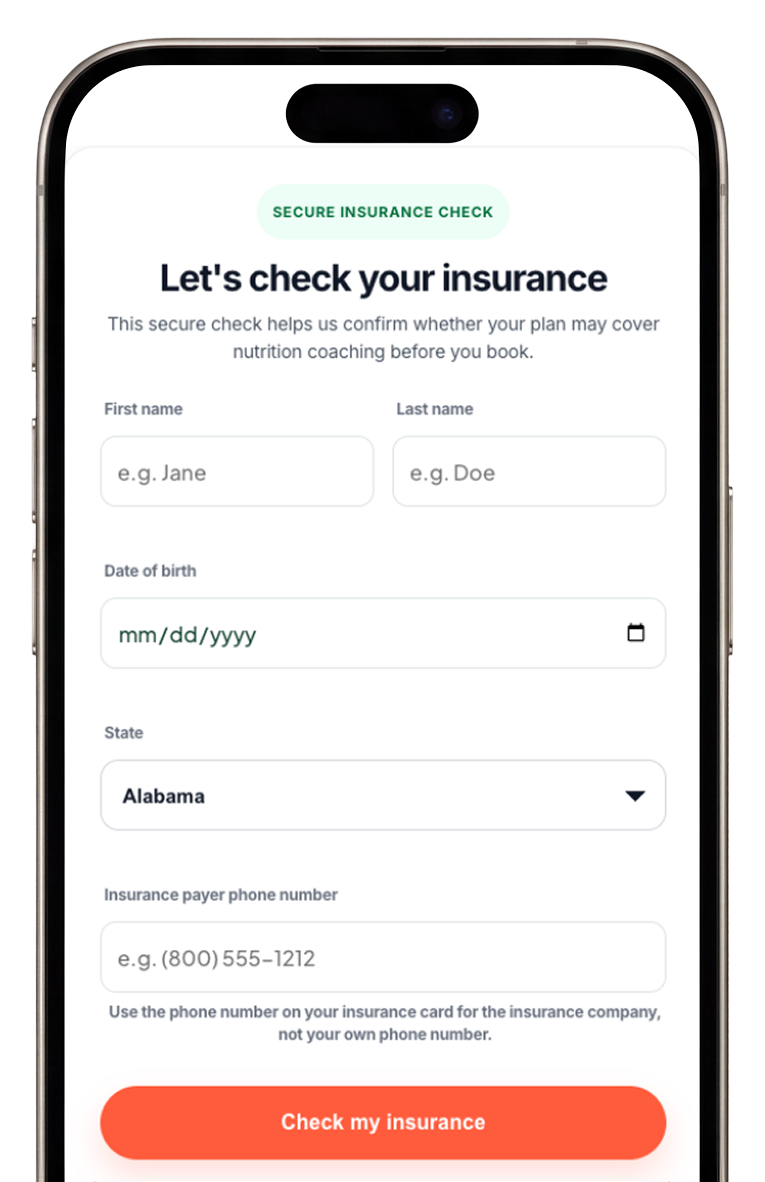
Ready to get started? Check if your insurance covers a dietitian and find out whether a licensed prescriber can help you explore Trulicity. Many plans cover nutrition counseling at no cost.
Read More About GLP-1 Medications

Explore Other GLP-1 Medications

Meet Your Care Team
We carefully vet every provider we partner with, so you get care that's built around you. Each GLP-1 prescriber (MDs/NPs) and RD is board-certified, licensed, and clinically trained.
Your licensed prescriber and RD will stay with you through every dose change and side effect, not just the first prescription.
“My mission is to help people stop blaming themselves and start building a life that works with their brain, not against it.




Yes, with a prescription. Top Nutrition Coaching connects you with a licensed prescriber who can evaluate whether Trulicity is right for you during an online consultation. Medication costs are billed separately, and coverage depends on your plan.
Each Trulicity pen is single-use and contains one dose. A standard carton has four pens, providing four weekly doses.
Trulicity uses the active ingredient dulaglutide, which acts on GLP-1. Mounjaro uses tirzepatide, acting on two hormones instead of one (GIP and GLP-1). Both are FDA-approved for type 2 diabetes, but with different dosing, effects, and prescribing information.
Both are GLP-1 medications for type 2 diabetes but use different active ingredients, doses, and clinical profiles. Trulicity uses dulaglutide, while Ozempic uses semaglutide. Dulaglutide tends to have more moderate weight loss effects.
These medications cut your appetite so much that you can become deficient in some vitamins and nutrients (like fiber and protein). On top of that, the majority of people gain back weight after stopping the medication. An RD can keep you healthy while taking GLP-1s and set you up with habits that last long after you stop.
Be prepared for a thorough evaluation going over your current and past medical conditions. If possible, have recent lab results and any other relevant health information on hand.
Things you might be asked about:
- Current weight, height, and body mass index (BMI)
- Diagnosis of type 2 diabetes, prediabetes, or insulin resistance
- Other prescription medications, over-the-counter drugs, or supplements
- Chronic or acute pancreatitis, kidney disease, or severe stomach problems
- Past and current weight management strategies and physical activity levels
- Individual or family history of Medullary Thyroid Carcinoma (MTC) or Multiple Endocrine Neoplasia syndrome type 2 (MEN 2)
If you struggle with emotional eating or appetite issues, let them know. They’ll want to go over past weight loss experiences as well as your current eating patterns to see if Ozempic is a good fit.