
See if You Qualify for a Saxenda Prescription Online
With expert Registered Dietitian support
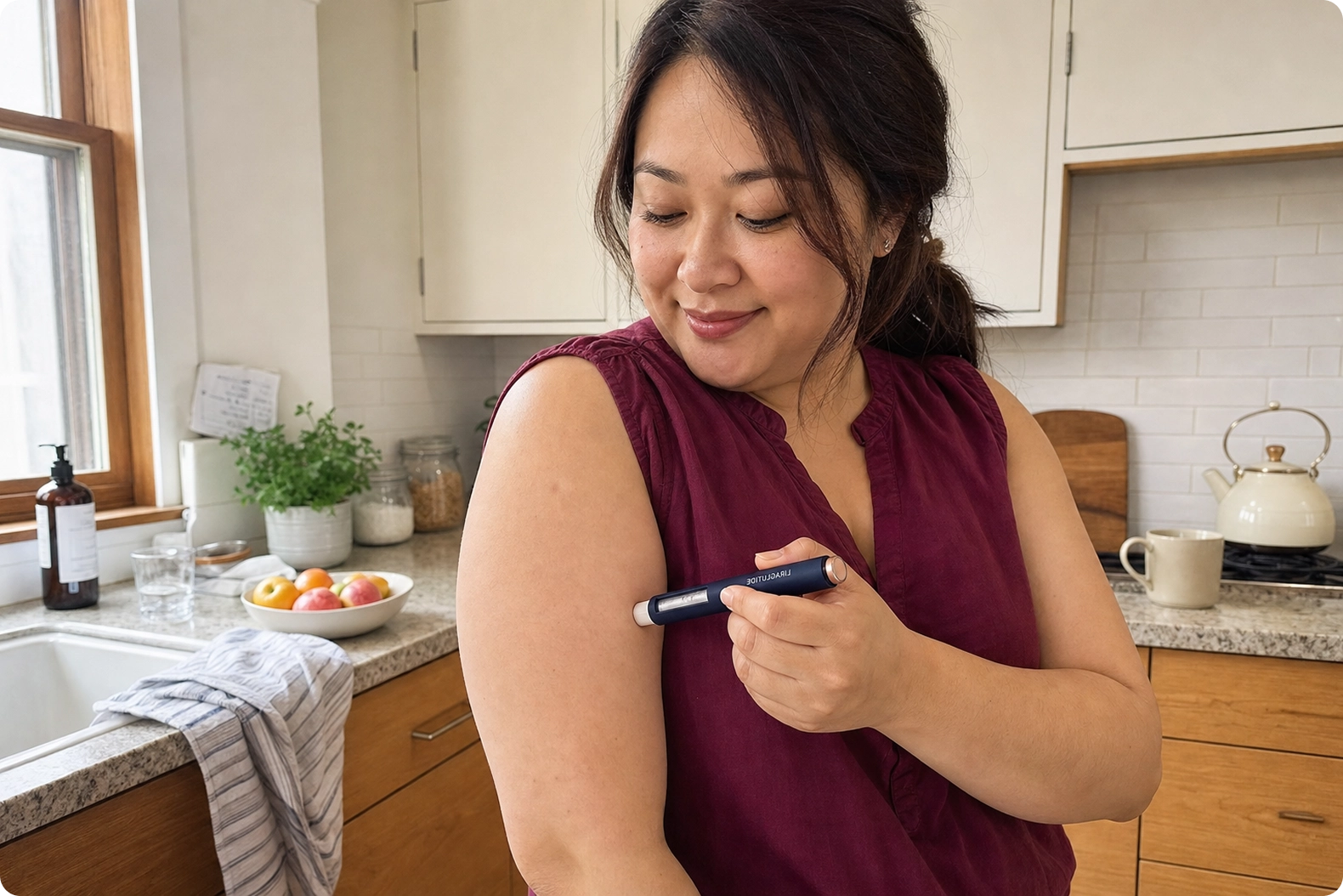
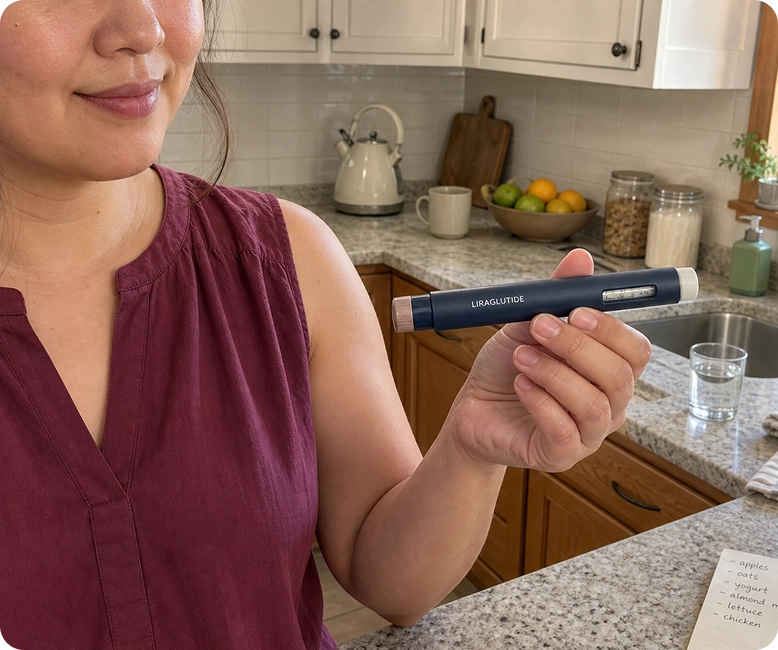
 A daily liraglutide injection
 FDA-approved GLP-1
 Paired 1:1 with a registered dietitian — not just a prescription
Important Safety Information: Saxenda is FDA-approved for chronic weight management in adults and children 12 and older with obesity. Saxenda may have serious side effects, including possible thyroid tumors. Do not use if you or your family have a history of a type of thyroid cancer called MTC or MEN 2. Read more about serious warnings and safety info.
As Little as $0 Out of Pocket
Co-pay and co-insurance may apply.
Check My Eligibitily
What is Saxenda?
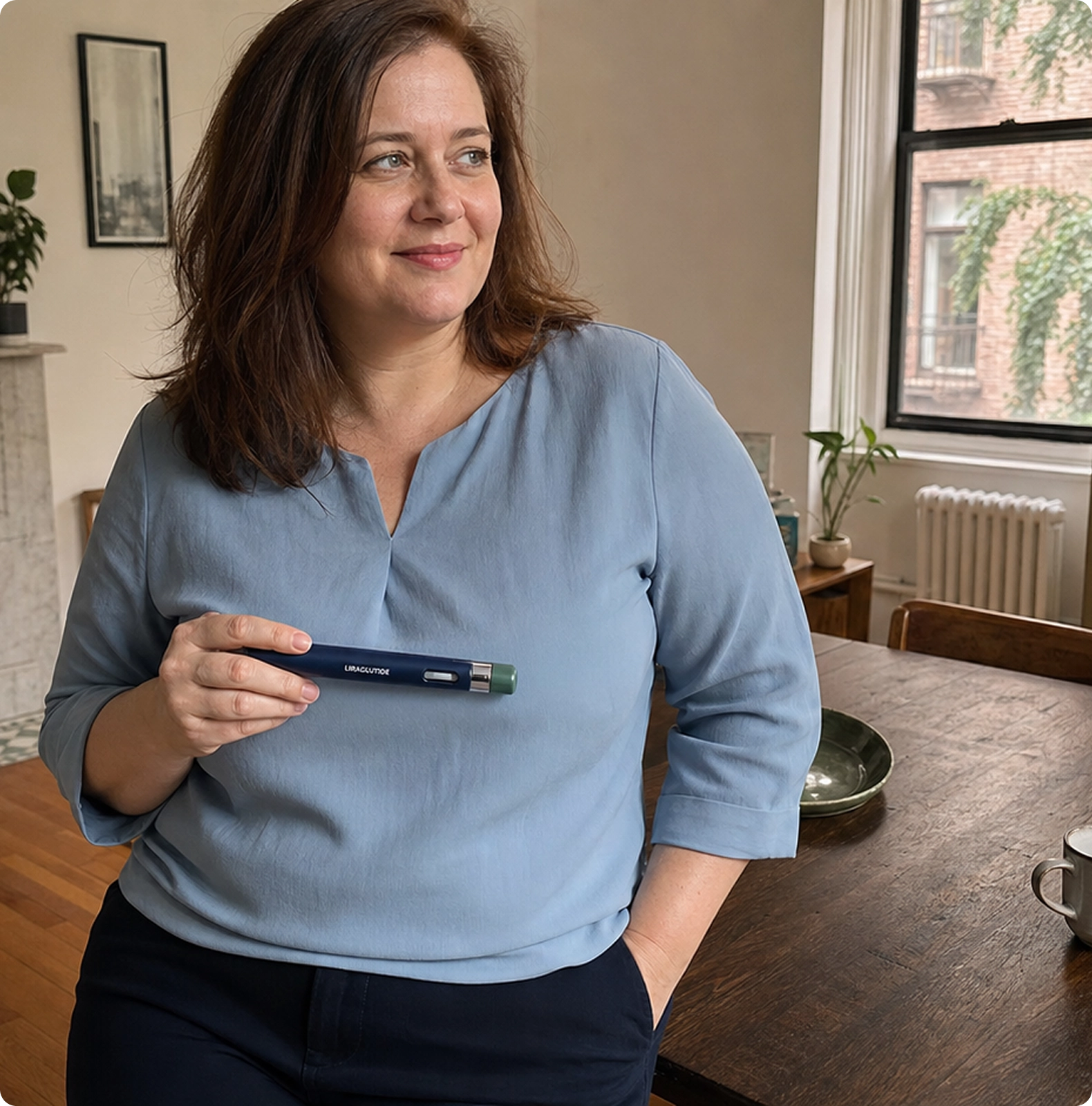
Everything you need to know before you start — what it is, how it works, and what it costs with Top Nutrition Coaching.
What Is Saxenda?
Right now, medications like Ozempic and Wegovy are all the rage. Their active ingredient is semaglutide. Saxenda, meanwhile, uses a somewhat similar ingredient: liraglutide.
Liraglutide is a daily injection that also works with GLP-1, the hormone that helps regulate your appetite. Another medication using this ingredient is Victoza, but unlike Saxenda, it’s approved for type 2 diabetes, not weight management.
How Does Saxenda Work?
Your gut, pancreas, and brain work together to manage your appetite. One of the key hormones in that process is glucagon-like peptide-1 (GLP-1), which your gut releases after you eat. It slows digestion and tells your brain you're full.
Saxenda's active ingredient, liraglutide, mimics GLP-1 but lasts much longer than the natural hormone, which breaks down within minutes. Food stays in your stomach longer, and your brain picks up fullness signals more easily. Liraglutide also acts on the brain areas involved in food reward, which can make hunger and cravings feel less intense.
For many people, the result is that food takes up less mental space. They feel satisfied with smaller portions and find it easier to stop when they're full.
How Do You Take Saxenda?
Part of the difference between Saxenda and newer medications is how long they stay active in your body. Liraglutide doesn’t last as long as others, which is why it needs to be taken daily rather than weekly.
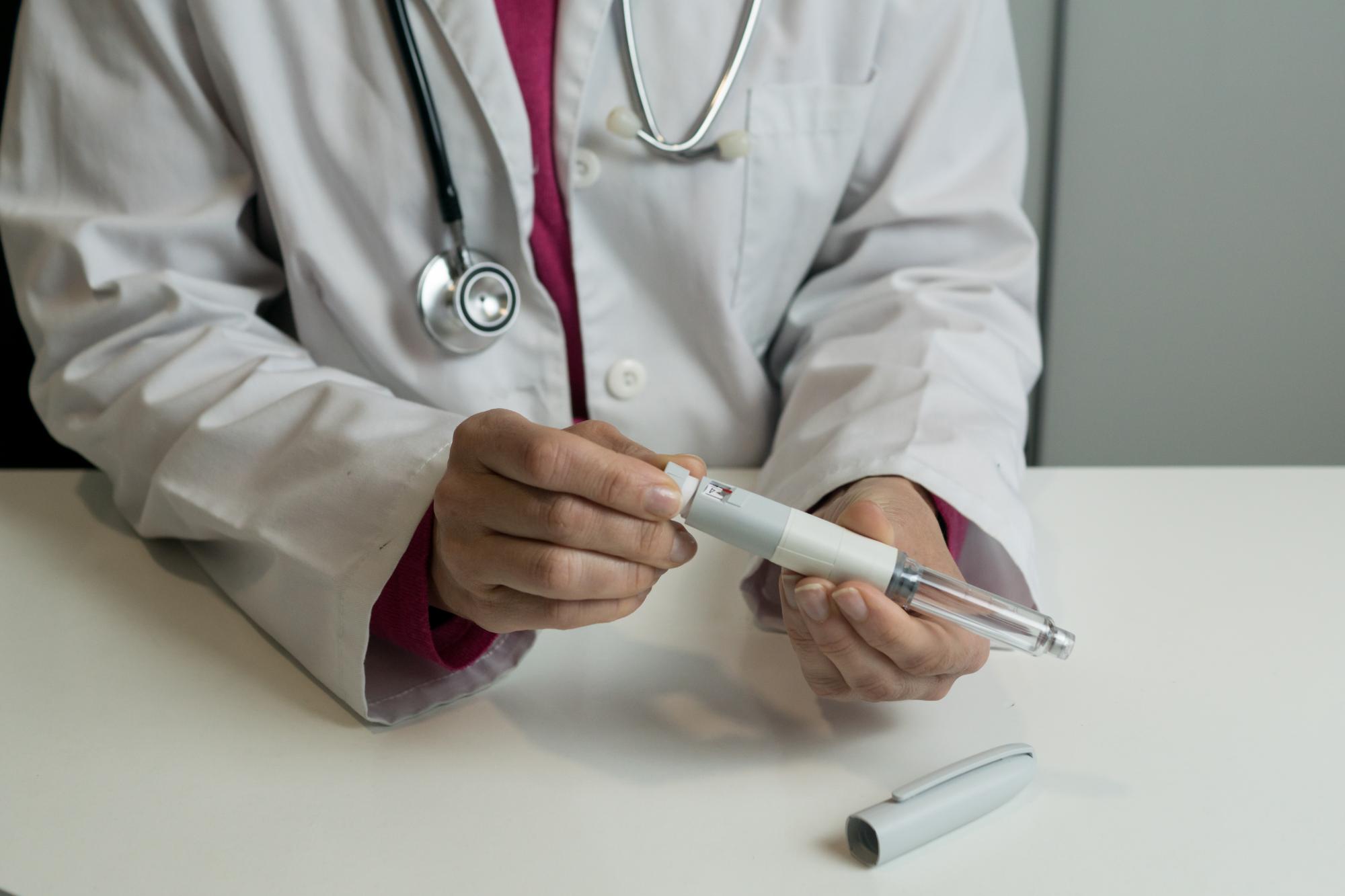
It’s injected under the skin in the abdomen, thigh, or upper arm using a prefilled pen. The starting dose is 0.6 mg for one week, followed by an increase of 0.6 mg each week, until you reach the full dose of 3 mg.
Daily dosing is more of a routine than a weekly shot, but some people prefer it, and your prescriber can help you decide.
What Are the Common Side Effects of Saxenda?
Your RD can help you build a meal and hydration plan that eases these side effects. Let your prescriber know if they get worse or don't go away.
Some serious side effects need medical attention right away. These include ongoing stomach pain that may spread to the back, yellowing of the skin or eyes, a rapid heartbeat, less urination or swelling in the legs or feet, and allergic reactions like rash, swelling, or trouble breathing or swallowing. Contact your prescriber right away if you notice new or worsening depression, unusual changes in mood, or thoughts of harming yourself. Saxenda also has a boxed warning for a possible risk of thyroid tumors, including a type of thyroid cancer called medullary thyroid carcinoma (MTC).
How Top Nutrition Coaching Works
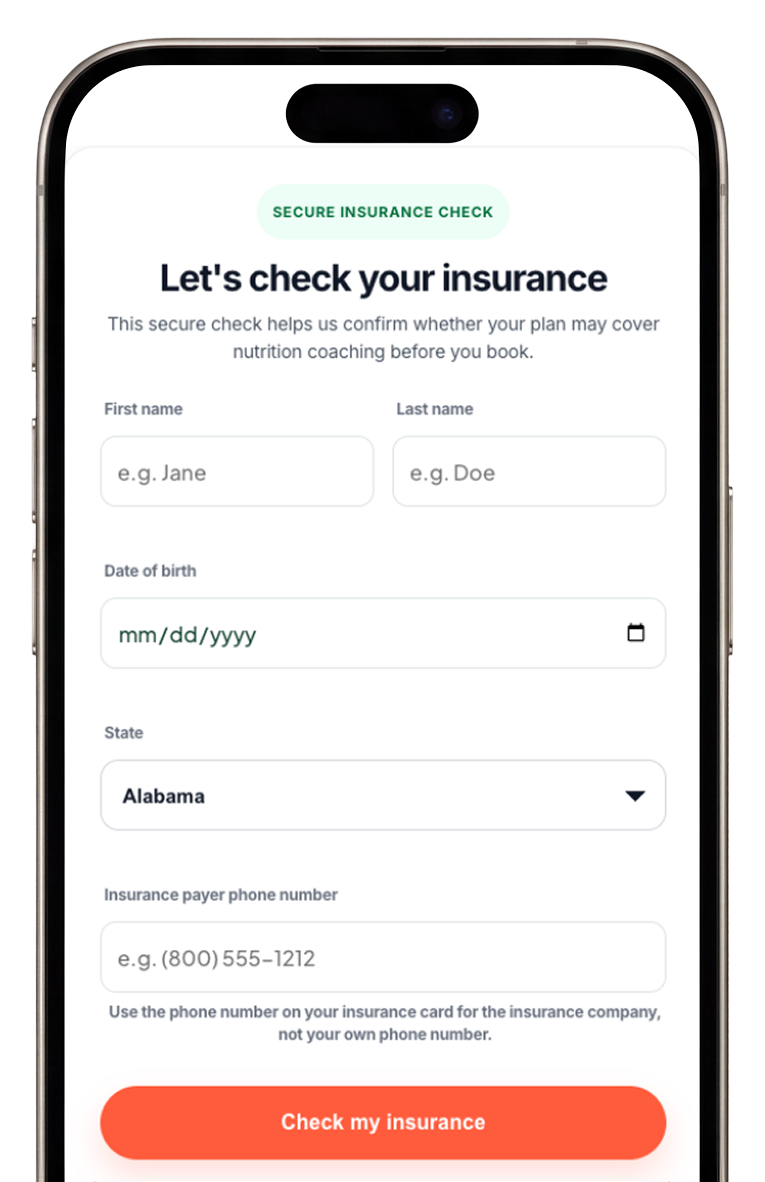
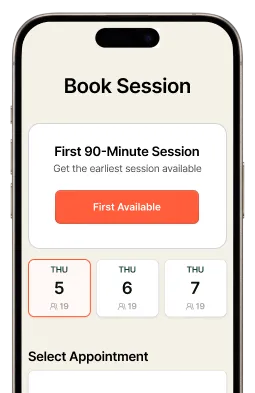

Getting a Saxenda Prescription Online - What You Need to Know

Can You Get Saxenda Prescribed Online?
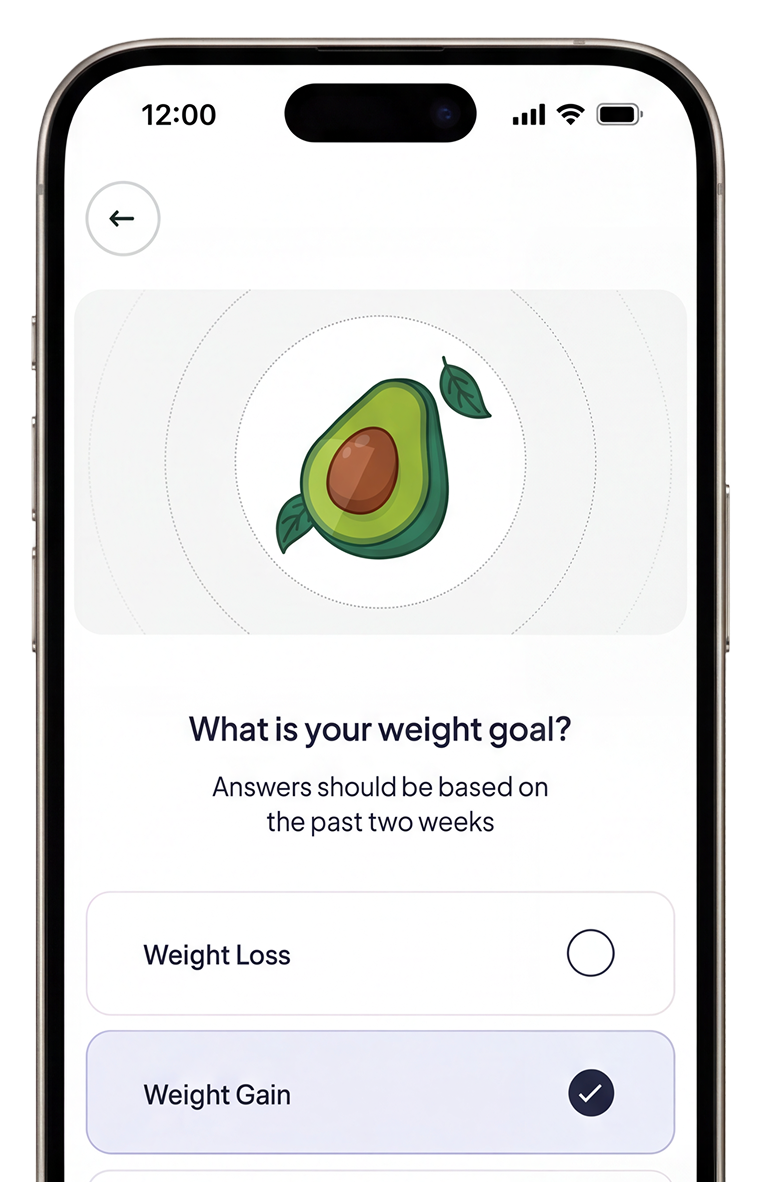
Yes. Top Nutrition Coaching connects you with a licensed prescriber (this may be a physician, nurse practitioner, or physician assistant) who can evaluate whether Saxenda is right for you, all online. During a virtual consultation, your prescriber reviews your health history, current medications, and goals. Then they recommend the treatment that fits you best, which may include Saxenda.
Because the same platform connects you with a registered dietitian, you get nutrition support alongside your medication. Your RD can help you get enough protein, manage side effects like nausea, and build habits that last.
Expect your prescriber to do a thorough interview, asking about your:
- Height, weight
- Medical and family history
- Medications and supplements
- Diet, weight history, and lifestyle
- Current and past health conditions
If you've tried restrictive diets, regained weight, struggled with emotional eating, or stopped exercising because of pain or exhaustion, that's useful information. Your provider isn't looking for a perfect history. They're trying to understand what might actually work for you.
Is Saxenda FDA-Approved for Weight Loss & Who Qualifies?
Yes, Saxenda is FDA-approved for chronic weight management. It’s usually approved for people with:
- BMI 30 or higher
- BMI 27 or higher with at least one weight-related health condition
BMI alone doesn’t mean a prescription, though — it depends on factors like medical history, medications, health conditions, etc. It can also be prescribed for adolescents 12 and up who meet specific weight and health criteria.
How Much Does Saxenda Cost?
What you pay for Saxenda depends on your insurance plan, the pharmacy you use, and whether you qualify for savings programs. With coverage, some people pay only a copay. Without it, the full list price can be high, so it's worth checking your options before you fill a prescription.
Is Saxenda Covered by Insurance?
Not every plan will cover Saxenda. Even if you get a prescription and have Saxenda available under your insurer, you may still need prior authorization (where your healthcare provider sends your insurance documentation that you meet their criteria for treatment).
Here’s what to find out from your insurance company before going to the pharmacy:
- Do I need prior authorization?
- Is Saxenda included on my formulary?
- What will my deductible and copay be?
- Does my plan cover weight-management medications?
- Are there other medications my plan requires me to try first?
How Much Does Saxenda Cost Without Insurance?
Many weight loss medications can cost over $1,000 per month without insurance. You can find out Saxenda’s current list price on their website.
Novo Nordisk, the manufacturer, can have patient assistance programs and prescription discount services. The list price may not be what you pay in the end, but it takes a bit of admin work to apply for discounts.
How Much Weight Can I Lose on Saxenda?
Everyone loses weight differently. It depends on your starting weight, age, height, diet, activity level, health condition, and more.
Clinical trials show that Saxenda (liraglutide) can lead to meaningful weight loss when combined with lifestyle changes — just not as much as Wegovy (semaglutide) or Zepbound (tirzepatide). For example, the SCALE clinical trial showed liraglutide’s weight loss averaged 5% to 8% at 56 weeks. Meanwhile, semaglutide had around 14% at 68 weeks.
While Saxenda may not lead to as much weight loss as others, that doesn’t mean it's a bad option. For some, slower weight loss is more appropriate. It can also offer more time for habit change, which is an important part of every weight loss journey.
Keep in mind that these medications and clinical trials are carried out with diet and physical activity interventions. But since that’s easier said than done, check if your insurance covers a registered dietitian for added support.
The Importance of Registered Dietitian Support When Taking Saxenda
Your appetite will likely change, and you may eat less. That also means that you’ll get fewer nutrients, which can sometimes lead to deficiencies. This can contribute to side effects like digestive issues, headaches, fatigue, and more.
Even though you’re eating less, your body still needs a good amount of protein, fiber, fluids, vitamins, and minerals to do its job and keep you strong — less does not equate to health.
Muscle mass loss is another concern with weight loss, and getting enough protein can be a challenge with even a normal diet. These risks are just one reason working with a registered dietitian can make a real difference.. They work to learn your lifestyle, goals, and needs to help you learn healthy habits that work for you and last long-term.
Another issue is weight regain after stopping medication. On average, gaining back about 60% of the weight you lost one year later is the norm. But with the help of a registered dietitian, you can work on developing habits that last long after the medication stops.
Ready to get started? Check if your insurance covers a dietitian and find out whether a licensed prescriber can help you explore Saxenda. Many plans cover nutrition counseling at no cost.
Read More About GLP-1 Medications


Explore Other GLP-1 Medications

Meet Your Care Team
We carefully vet every provider we partner with, so you get care that's built around you. Each GLP-1 prescriber (MDs/NPs) and RD is board-certified, licensed, and clinically trained.
Your licensed prescriber and RD will stay with you through every dose change and side effect, not just the first prescription.
“My mission is to help people stop blaming themselves and start building a life that works with their brain, not against it.




Yes, with a prescription. Top Nutrition Coaching connects you with a licensed prescriber who can evaluate whether Saxenda is right for you during an online consultation. Medication costs are billed separately, and coverage depends on your plan.
If Saxenda isn’t working for you, let your prescriber know. They might be able to switch you to a weekly GLP-1.
Saxenda comes in a prefilled pen with multiple doses. The exact number depends on the prescribed dose. Refrigerate it before using it for the first time, and then it can only be kept at room temperature for a limited period after opening. Follow the storage instructions that come with your medication.
They both use liraglutide, but Victoza is FDA-approved for type 2 diabetes, and Saxenda is meant for weight management.
Ozempic is FDA-approved for type 2 diabetes, not weight management like Saxenda. Like Wegovy, Ozempic uses semaglutide, but Saxenda uses liraglutide.
Both are FDA-approved for weight management. However, Saxenda uses the active ingredient liraglutide and is taken daily, while Wegovy uses semaglutide and is taken weekly.
These medications cut your appetite so much that you can become deficient in some vitamins and nutrients (like fiber and protein). On top of that, the majority of people gain back weight after stopping the medication. An RD can keep you healthy while taking GLP-1s and set you up with habits that last long after you stop.
Be prepared for a thorough evaluation going over your current and past medical conditions. If possible, have recent lab results and any other relevant health information on hand.
Things you might be asked about:
- Current weight, height, and body mass index (BMI)
- Diagnosis of type 2 diabetes, prediabetes, or insulin resistance
- Other prescription medications, over-the-counter drugs, or supplements
- Chronic or acute pancreatitis, kidney disease, or severe stomach problems
- Past and current weight management strategies and physical activity levels
- Individual or family history of Medullary Thyroid Carcinoma (MTC) or Multiple Endocrine Neoplasia syndrome type 2 (MEN 2)
If you struggle with emotional eating or appetite issues, let them know. They’ll want to go over past weight loss experiences as well as your current eating patterns to see if Ozempic is a good fit.