Top Nutrition Coaching is fully dedicated to providing its readers with transparent, accurate, and compassionate information that applies to individuals from every demographic. Our nutritionists adhere to specific guidelines when creating content to ensure that all published materials are most advantageous to our readers. Top Nutrition Coaching has a no-tolerance policy regarding plagiarism.
All materials published by Top Nutrition Coaching adhere to the criteria outlined below:
- When possible, Top Nutrition Coaching only uses primary sources. Only peer-reviewed journals and government and state sites will be used if primary sources are unavailable.
- Our team reviews every article on the Top Nutrition Coaching site on a periodic basis. Our regular review process ensures that we constantly communicate the most up-to-date information about nutrition, health, and wellness.
- All of our content will be thorough and factual but also approachable. Our goal is to help readers learn about nutrition, not to confuse them.
- All of our content is verified by nutritionists and dietitians with certifications and advanced degrees. Every article will include a registered nutritionist or dietitian’s byline.
- None of our content will include false promises or guarantees. Our number one priority is supporting our audience and their health – their needs come first.


Mounjaro vs Ozempic: Which Weight Loss Medication Is Right for You?
Mounjaro and Ozempic compared by a registered dietitian — how they work, weight loss results, side effects, costs, and how to choose.
.jpg)
These days, you can't talk about weight loss without someone throwing Mounjaro or Ozempic into the conversation. Maybe it's friends, family, the news, or your doctor, but you're wondering what exactly the difference is, whether you really need medication, and how to get a GLP-1 prescription online.
What Are Mounjaro and Ozempic?
Both are injectable medications originally developed to treat type 2 diabetes, administered once weekly to help reduce appetite and promote weight loss.
How Ozempic Works in Your Body
Ozempic mimics a hormone that signals fullness, slows digestion, and helps your body manage blood sugar better. The drug is called semaglutide, a glucagon-like peptide-1 (GLP-1) receptor agonist, and was FDA-approved in 2017.
How Mounjaro Works in Your Body
Mounjaro is the brand name for a similar drug called tirzepatide. Like Ozempic, it also activates GLP-1 receptors, but in addition, it also targets another one — glucose-dependent insulinotropic polypeptide (GIP) — a gut hormone that helps manage how you process food and hunger cues.
As Dr. Devon Allen, Top Nutrition Coaching's medical contributor, explains: "Both tirzepatide and semaglutide are GLP-1 receptor agonists; however, tirzepatide is a dual-receptor agonist, meaning that it targets two receptors: the GLP-1 and GIP receptors. The dual-receptor action of tirzepatide tends to result in better weight loss versus a single-receptor agonist such as semaglutide."
This dual-action mechanism, which can create a stronger effect on both blood sugar and body weight, is what's made Mounjaro become so popular compared to only GLP-1 medications.
Comparing Weight Loss Results: Which Works Better?
A major trial that compared both drugs in adults with obesity without type 2 diabetes showed better results for tirzepatide. The trial went for 72 weeks, with patients on tirzepatide experiencing around 20% weight loss vs.14% for patients using semaglutide (Ozempic). Nausea and diarrhea as side effects were common for both groups.
Another study analyzed real-world health data from 18,386 patients for about a year. Those on tirzepatide (Mounjaro) were about three times more likely to have a 15% or more reduction in body weight compared to those on semaglutide (Ozempic).
In general, the research supports tirzepatide (Mounjaro) leading to more weight loss for patients with obesity. However, that doesn't necessarily mean "better" since your needs and starting weight point are unique. It's always best to discuss what might work better for you with your prescriber.
Mounjaro vs. Ozempic Side Effects: What You Should Know
Like any medication, you can expect some common side effects with both of these medications. These include:
- Nausea
- Diarrhea
- Constipation
- Stomach discomfort
These typically happen when starting the medication or increasing the dose, and can die down with time.
Should you notice any side effects, like an allergic reaction, inability to keep liquids down for 12–24 hours, severe abdominal pain, or vision loss, call your emergency services.
Serious Side Effects to Watch For
There's always the chance of serious side effects, and for Mounjaro and Ozempic those include:
- Thyroid problems
- Gallbladder issues
- Dehydration and kidney injury
- Gastroparesis (stomach paralysis)
- Pancreatitis (inflammation of the pancreas)
There's also an official FDA "Boxed Warning" since both medications showed growth of thyroid tumors in rodent studies. Dr. Allen notes that certain patients shouldn't be on either drug at all: "Absolute contraindications are the same for both and include family history of medullary thyroid cancer and/or MEN 2, pregnancy, or allergy/hypersensitivity."
Mounjaro vs. Ozempic Cost Comparison: What Will You Actually Pay?
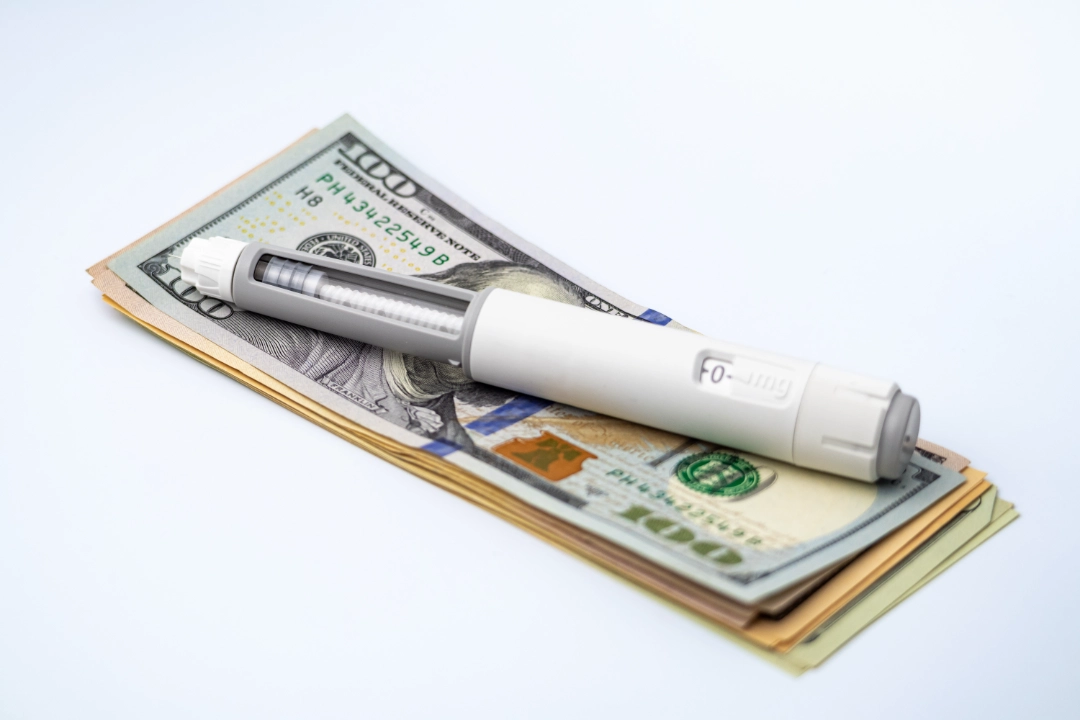
Mounjaro and Ozempic both cost around $1,000 per month, but you can often get some or all of the cost covered by insurance if you have type 2 diabetes. If you're prescribed these medications for weight loss alone, it may be a bit more difficult to get it covered by insurance.
There are a few manufacturer savings programs you can check out (Eli Lilly for Mounjaro and Novo Nordisk for Ozempic) which can also help you save money.
Fortunately, most insurance plans at least cover a registered dietitian for diabetes or weight loss management counseling. Check if your insurance covers a registered dietitian and get matched with a professional today.
Which Medication Might Be Right for You?
Which medication is "best" is hard to answer; it depends on your health goals and starting point. For example, is it for diabetes, heart health, or weight loss alone? Ozempic, for example, also has FDA approval for reducing the risk of heart disease.
Which is right for you is up to you and your doctor, based on your medical history, other medications, and lifestyle.
Questions to Ask Your Prescriber
Going into this conversation prepared makes a real difference. Think about asking:
- What weight loss results are realistic to expect in my case?
- Based on my health history, which medication is a better fit for me specifically?
- How do we handle side effects if they become difficult to manage?
- How will we monitor my progress, and how often should I come in?
- What does my insurance cover, and what are my out-of-pocket options?
- What happens if I need to stop taking medication at some point?
- Should I be working with a dietitian alongside this medication?
The Role of Nutrition Support in Your Success
Keep in mind that these medications only work while you're on them. That means your appetite and habits can return in full as soon as you stop taking them.
That's why it's so important to work with a weight loss registered dietitian. They go along the journey with you, helping you to develop healthier habits that you can maintain once you stop taking the drug.
Managing weight with GLP-1 medications is more effective with nutrition support alongside it. Check if your insurance covers a registered dietitian — most plans do.
Considering a GLP-1? Here's How Top Nutrition Coaching Can Help
If you're exploring GLP-1 medications for weight loss or blood sugar management, medicine is only half the answer. Top Nutrition Coaching can match you with a medical provider to see if a GLP-1 prescription is right for you, then pair you with a registered dietitian to support you through the process — helping manage side effects, protect muscle mass, and build habits that make your results last. Many insurance plans cover dietitian sessions, and some plans cover them at no additional cost, though coverage varies by plan and isn't guaranteed. A prescription requires a medical consultation and isn't guaranteed either. Take our quick quiz to see what your insurance covers and get matched with support.
Frequently Asked Questions
What is the difference between Mounjaro and Ozempic?
Mounjaro (tirzepatide) activates two hormone pathways (GLP-1 and GIP), while Ozempic (semaglutide) activates one (GLP-1). Both slow digestion and reduce appetite, but Mounjaro's dual mechanism produces greater average weight loss.
Is Mounjaro better than Ozempic for weight loss?
It depends on how you define "better." Mounjaro may lead to more weight loss due to its dual mechanism, but which medication is best depends on your needs and starting point.
What are the side effects of Mounjaro vs Ozempic?
Both can cause nausea, diarrhea, constipation, vomiting, and stomach pain, especially when starting or increasing the dose. More serious but rare side effects include pancreatitis, gallbladder problems, and a thyroid tumor risk flagged in animal studies.
Which is cheaper, Mounjaro or Ozempic?
Mounjaro and Ozempic are priced similar at around $1,000 per month without insurance. Ozempic might be slightly cheaper, but it all depends on your insurance. You can also use manufacturer savings programs to save money.
Can you switch from Ozempic to Mounjaro?
Yes, talk to your prescriber if you're not happy with your results or side effects.