Top Nutrition Coaching is fully dedicated to providing its readers with transparent, accurate, and compassionate information that applies to individuals from every demographic. Our nutritionists adhere to specific guidelines when creating content to ensure that all published materials are most advantageous to our readers. Top Nutrition Coaching has a no-tolerance policy regarding plagiarism.
All materials published by Top Nutrition Coaching adhere to the criteria outlined below:
- When possible, Top Nutrition Coaching only uses primary sources. Only peer-reviewed journals and government and state sites will be used if primary sources are unavailable.
- Our team reviews every article on the Top Nutrition Coaching site on a periodic basis. Our regular review process ensures that we constantly communicate the most up-to-date information about nutrition, health, and wellness.
- All of our content will be thorough and factual but also approachable. Our goal is to help readers learn about nutrition, not to confuse them.
- All of our content is verified by nutritionists and dietitians with certifications and advanced degrees. Every article will include a registered nutritionist or dietitian’s byline.
- None of our content will include false promises or guarantees. Our number one priority is supporting our audience and their health – their needs come first.


Guide to GLP-1s for Weight Loss
A practical guide to GLP-1 weight loss medications, covering side effects, realistic results, and when a registered dietitian can help.
.jpg)
GLP-1 medications have changed what’s possible with medical weight loss, and it’s easy to see why they’ve gotten so much attention. But deciding whether to take one involves more than finding out if you qualify and getting a prescription.
You probably want to know what taking a GLP-1 will actually look like. How might your appetite and eating change? What about managing side effects? And when can you expect changes on the scale?
Before you start, it helps to have answers to those questions and a plan for the parts of treatment that happen outside the injection. Here’s what to know so you can decide whether a GLP-1 fits your health, goals, and life.
What Are GLP-1 Medications and How Do They Work?
GLP-1 stands for glucagon-like peptide-1, a hormone your body naturally releases after you eat. Natural GLP-1 is broken down quickly by the body, while GLP-1 medications mimic its effects but are designed to remain active longer.
GLP-1 medications were originally developed to treat type 2 diabetes. That’s because GLP-1 increases insulin release when blood sugar is elevated and reduces glucagon, which helps regulate blood sugar.
But after researchers noticed substantial weight loss in people taking these medications, they were also developed specifically for weight loss.
As the Cleveland Clinic explains, GLP-1 also slows how quickly food leaves your stomach and increases feelings of fullness. As a result, you may feel satisfied with less food, stay full longer, and feel less hungry between meals, which can reduce how much you eat.
Who Qualifies for GLP-1 Weight Loss Treatment?
In general, GLP-1 medications approved for weight loss, such as Wegovy and Zepbound, are intended for adults with a body mass index (BMI) of 30 or higher, or a BMI of 27 or higher with at least one weight-related health condition, such as high blood pressure or type 2 diabetes.
Your prescriber will also consider your medical history, current medications, and other factors to determine whether a GLP-1 is appropriate for you. These medications require a prescription and routine medical supervision.
Meeting the medical requirements doesn’t guarantee insurance coverage. Your plan may require prior authorization or documentation of your BMI, health conditions, or previous weight-loss efforts. Your insurer can tell you the specific requirements for your plan.
Questions to Ask Your Prescriber Before Starting a GLP-1
Going into your appointment with a few questions can help you understand what treatment might look like and whether a GLP-1 is the right fit for you.
- Is a GLP-1 the right option for my health goals and medical history?
- Which medication makes the most sense for me, and why? Your prescriber can walk you through options such as semaglutide, tirzepatide, and liraglutide, and explain how they differ.
- Is there anything in my health history or current medications that could make a GLP-1 unsafe or less appropriate for me?
- What side effects should I expect, and when should I contact you?
- Are there foods I may tolerate better or want to avoid if I experience nausea or other digestive symptoms?
- Should I make any changes to my exercise routine?
- How will we decide when to increase my dose?
- What should I keep track of between appointments?
- How will we monitor my progress, and how often should we check in?
- What should I expect if I eventually stop taking the medication?
Dr. Devon Allen, Top Nutrition Coaching's medical contributor, puts the long-term plan at the top of that conversation, along with a few things patients don't always think to raise:
"It is very important for patients to ask their prescriber about the long-term plan of treatment — how long should I expect to be on it, what is likely to happen when I stop, should I expect to be on this long term? Patients should talk to their prescriber about behavioral changes such as dietary changes, water intake, and a plan for increasing activity. Patients should talk to their prescriber about why the involvement of a dietitian is key to weight loss success and sustainability. Finally, they should talk to their prescriber about potential unwanted side effects of the too rapid weight loss from the medication, such as muscle loss and fatigue, and how that can be avoided with the help of the dietitian."
Common GLP-1 Medications for Weight Loss
Semaglutide and tirzepatide are two of the medications you’re most likely to hear about for weight loss. Brand names for semaglutide include Ozempic and Wegovy, while tirzepatide is available as Mounjaro and Zepbound.
Semaglutide (Ozempic, Wegovy)
Semaglutide is a GLP-1 receptor agonist. Ozempic is FDA-approved to treat type 2 diabetes, while Wegovy is FDA-approved for chronic weight management in people who meet eligibility criteria.
As a refresher on how Ozempic works for weight loss, semaglutide mimics the effects of the GLP-1 hormone, which helps regulate appetite, fullness, and digestion.
In a clinical trial of adults without diabetes, those taking semaglutide 2.4 mg alongside lifestyle changes lost an average of about 15% of their starting body weight over 68 weeks. Individual results vary, and not everyone will lose that amount.
Tirzepatide (Zepbound, Mounjaro)
Tirzepatide works a little differently from semaglutide. It activates both glucose-dependent insulinotropic polypeptide (GIP) and GLP-1 receptors, so you may hear it referred to as a dual GIP/GLP-1 receptor agonist.
Mounjaro is FDA-approved for type 2 diabetes, while Zepbound is FDA-approved for chronic weight management in people who meet eligibility criteria.
In a head-to-head trial of adults with obesity but without type 2 diabetes, those taking tirzepatide lost an average of about 20% of their starting body weight over 72 weeks, compared with about 14% with semaglutide. Participants received the maximum dose they could tolerate of either medication.
Semaglutide vs. Tirzepatide: Which Is Right for You?
On average, tirzepatide has produced greater weight loss than semaglutide, but that doesn’t mean it’s the better choice for everyone. A closer semaglutide vs. tirzepatide comparison can help you understand how the two differ, while your health history, treatment goals, side effects, medication availability, cost, and insurance coverage can all factor into the decision.
Both medications carry an FDA boxed warning about thyroid C-cell tumors seen in animal studies. Neither should be used by people with a personal or family history of medullary thyroid carcinoma or multiple endocrine neoplasia syndrome type 2 (MEN 2).
Ultimately, the right choice is the one that fits your health needs, is well tolerated, and is realistic for you to continue.
What to Expect in Your First 30 Days on a GLP-1
The first month on a GLP-1 medication is mostly about giving your body time to adjust and learning how the medication affects you.
GLP-1 medications are typically started at a low dose and gradually increased. This gradual approach helps your body adjust and can reduce potential digestive side effects as your dose increases.
Some people notice less hunger or earlier fullness fairly quickly, while others notice only subtle changes, or very little at all, at the starting dose. That doesn’t necessarily mean the medication isn’t working. Its effects may become more noticeable as treatment continues and your dose is increased as prescribed.
During these first few weeks, focus on the basics:
- Start with smaller portions and eat slowly.
- Eat regularly, even if you’re less hungry. Smaller meals and snacks may be easier to manage than larger meals.
- Prioritize protein and include fiber-rich foods as tolerated.
- Drink fluids regularly throughout the day.
- Keep a few easy-to-tolerate foods on hand, such as crackers, toast, rice, bananas, applesauce, yogurt, or soup, for days when your stomach feels unsettled.
Dr. Allen frames the first month as an acclimation period, with a longer runway for appetite changes than many people expect:
"In the first 30 days of GLP-1 treatment, our goal is to slowly introduce this to allow your body time to acclimate to the medication. You will likely start to experience side effects from the medication, most commonly GI side effects such as nausea or stomach discomfort. Ideally you will start to experience a decrease in appetite and 'food noise' but you may not see that until the second or maybe even third month of treatment. This time for the body to adjust to the medication can be frustrating if you are not seeing weight loss, but this is key to overall success and sustainability of your treatment."
In general, don’t measure your progress by the first few weeks alone. The first month is an adjustment period, not a reflection of how well the medication may work for you over time.
How Much Weight Can You Realistically Expect to Lose?
There’s no single number you should expect to lose on a GLP-1. How much weight you lose, and how quickly, can vary quite a bit from person to person.
In studies of adults with overweight or obesity without diabetes, people taking semaglutide 2.4 milligrams (mg) lost about 15% of their starting weight on average over 68 weeks. With tirzepatide, average weight loss was about 15% to 21% over 72 weeks, depending on the dose. Studies in people with type 2 diabetes have generally shown somewhat less weight loss, although meaningful weight loss is still possible.
To put that into perspective, 15% weight loss for someone starting at 200 pounds would be about 30 pounds. But these numbers are averages. Some people lose more, some lose less, and both can be completely normal.
Weight loss usually isn’t a straight line, either. You may have stretches when the scale changes more quickly and others when it barely moves at all. Over time, it’s also normal for weight loss to slow down.
Trial Results vs. Real-World Results
What happens in clinical trials doesn’t always match what happens in the real world. People may take different doses, miss doses, switch medications, or stop because of side effects, cost, insurance coverage, or medication availability.
Your results are also personal. Your starting weight, the medication and dose you take, whether you have type 2 diabetes, how your body responds, and your nutrition and other lifestyle habits all play a role.
Use clinical trial results as a reference point, not a number you need to reach. What matters more is how you’re responding to treatment and whether it’s helping you make progress toward your health goals.
Side Effects and Safety Considerations
Digestive symptoms are the most common side effects of GLP-1 medications. Nausea, diarrhea, vomiting, and constipation are common, especially when starting treatment or increasing your dose.
More serious complications are uncommon, but they’re important to know about. GLP-1s have been associated with pancreatitis, gallbladder problems, and serious gastrointestinal problems. Severe or persistent abdominal pain, ongoing vomiting, or other concerning symptoms are reasons to contact your prescriber rather than waiting to see if they pass.
You may have also heard of “Ozempic face.” Despite the name, it’s not unique to Ozempic, nor does the medication itself necessarily cause it. Harvard Health explains that losing a significant amount of weight can reduce the fat beneath the skin of the face, which may make the face look more hollow, or the skin appear looser. Hair thinning can also happen during substantial or rapid weight loss and is often temporary.
Then there’s the conversation about GLP-1 muscle loss. Some loss of lean mass is expected during weight loss, whether or not you’re taking a GLP-1. Studies of GLP-1 medications have found that most of the weight lost comes from fat, but some comes from lean tissue as well. Lean mass includes muscle, but also water, organs, and other non-fat tissue, so a loss of lean mass doesn’t necessarily mean the same amount of muscle was lost.
Fortunately, there are things you can do to help preserve muscle while losing weight. We’ll get into protein, resistance training, and other nutrition strategies below.
Managing Nausea and Other Early Side Effects
A little nausea or an unsettled stomach can make eating feel like the last thing you want to do. Digestive side effects often improve as your body adjusts to treatment, and a few changes to how and what you eat can make those days more manageable.
Dr. Allen notes that GI symptoms are one of the two biggest reasons people stop treatment in the first year — and that there's more than one lever for managing them:
"As far as side effects are concerned, this can be successfully navigated through slow increases in the GLP-1, through GI medications such as anti-nausea medications, and through dietary changes guided by the dietitian."
How to Manage Nausea
Start small and eat slowly. GLP-1s can make you feel full sooner than you’re used to, so stop at the first signs of fullness rather than trying to finish what’s on your plate.
On queasier days, simple foods may sit better. Try crackers, toast, applesauce, oatmeal, ginger tea, or small portions of plain protein such as yogurt, cottage cheese, eggs, or chicken. Greasy, fried, very sweet, spicy, or strong-smelling foods may be harder to tolerate.
Staying hydrated can help, too. Take small sips throughout the day rather than trying to drink a lot at once, particularly if a full stomach worsens your nausea.
Managing Other Digestive Side Effects
The same strategy won’t work for every digestive side effect. Here’s what may help with a few of the other common culprits:
- For vomiting or diarrhea: Focus on replacing fluids as you lose them. Sip water, broth, or an electrolyte drink, and choose foods that are easier to tolerate until your stomach settles.
- For constipation: Keep fluids coming, move your body when you can, and gradually work toward getting enough fiber. Adding a large amount of fiber all at once can leave you feeling even more bloated and uncomfortable.
- For heartburn or reflux: Try smaller meals and stay upright after eating rather than lying down right away. It may also help to leave more time between your last meal and bedtime.
And know when home remedies aren’t enough. Persistent vomiting, severe abdominal pain, or being unable to keep food or fluids down are reasons to contact your prescriber promptly.
Keep your healthcare team in the loop about side effects you’re experiencing, especially if they’re persistent, worsening, or making it difficult to eat or drink.
Nutrition and Diet While Taking a GLP-1
GLP-1s can significantly reduce your appetite, sometimes to the point that eating enough takes more effort than expected. And while you may need less food as you lose weight, an ideal GLP-1 diet still calls for making sure you're getting enough protein, fiber, fluids, vitamins, and minerals.
Prioritize Protein
Some lean mass is typically lost along with fat during weight loss. Eating enough protein can help preserve muscle, particularly when you pair it with resistance training.
If you’re getting full quickly, spreading protein throughout the day, potentially four to five meals, as recommended by the Academy of Nutrition and Dietetics, is often more manageable than trying to fit most of it into one or two meals. Eggs, Greek yogurt, cottage cheese, fish, chicken, tofu, beans, and protein shakes are all options, depending on what sounds good and sits well.
Roughly 1.2 to 1.5 grams of protein per kilogram of body weight per day may be appropriate for some people during weight loss. Your individual needs depend on factors such as your body size, health, and activity level, so talk with your prescriber or dietitian about the right amount for you.
Getting enough protein is only part of the equation. Resistance training is important for maintaining muscle as you lose weight. Weights, resistance bands, machines, and challenging bodyweight exercises can all work. Cardio is important for your health, too, but resistance training plays a more direct role in maintaining and building muscle.
Work With a Smaller Appetite
As your appetite decreases, it’s natural for your portions to get smaller, too. Rather than trying to eat the same amount you did before, smaller meals and snacks can help you meet your nutrition needs without leaving you overly full.
Start with protein, then add fruits, vegetables, whole grains, beans, or other sources of fiber as you’re able. When your appetite is especially low, foods such as Greek yogurt, eggs, cottage cheese, smoothies, nut butter, and avocado provide plenty of nutrition without requiring a large meal.
Keep Up With Fiber and Fluids
Eating less can mean getting less fiber without realizing it. Combined with slower digestion and too little fluid, that can make constipation worse.
Include fruits, vegetables, beans, whole grains, nuts, and seeds regularly, and increase fiber gradually if you’re not used to eating much of it. Drink fluids consistently throughout the day as well, rather than trying to get most of your water in at once.
Cost and Insurance Coverage for GLP-1 Weight Loss Drugs
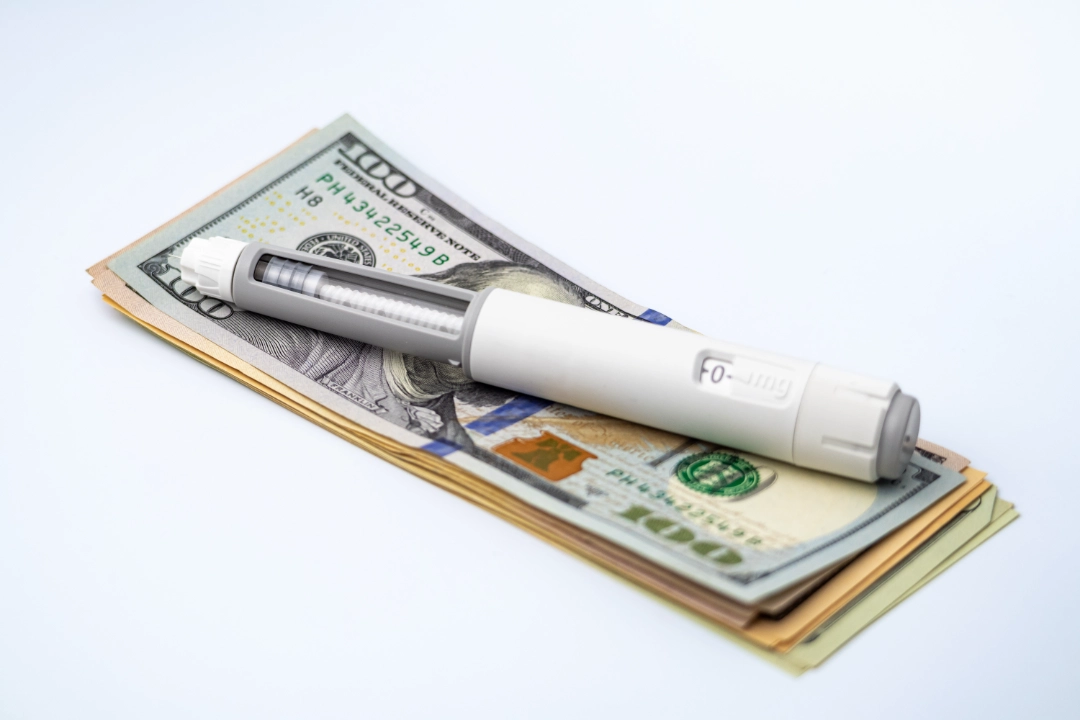
Cost can be a major consideration with GLP-1 medications. Without insurance, out-of-pocket costs may run about $800 to $1,200 per month, according to the Mayo Clinic. Manufacturer programs may bring that closer to $500 per month for some people, although prices and eligibility vary. Generally, Wegovy is one of the cheapest GLP-1 medications.
Insurance coverage varies, too. A plan may cover a GLP-1 for type 2 diabetes but not for weight loss. Medicaid coverage for obesity treatment differs by state, and eligible Medicare Part D beneficiaries can now access certain weight-loss GLP-1s for $50 per month through the temporary Medicare GLP-1 Bridge program.
Lower-cost compounded versions of semaglutide and tirzepatide are also advertised online. Compounded medications are not FDA-approved, which means the FDA does not review them for safety, effectiveness, or quality before they’re sold. Talk with your prescriber before considering one.
Before starting treatment, check your insurance coverage. Find out whether prior authorization is required, what you’ll pay each month, and whether there are any requirements for maintaining coverage.
Also, because GLP-1s are generally used long term, consider whether the ongoing cost is manageable for you. It may also help to consider that expense alongside what you currently spend managing obesity or related health conditions, including medications, appointments, and other healthcare costs.
Building Your Care Team: Why a Registered Dietitian Matters
Your prescriber manages your GLP-1, from determining whether it’s appropriate for you to adjusting the dose and monitoring side effects. But other parts of treatment may benefit from additional expertise, including nutrition, exercise, and behavioral health.
Who Might Be Part of Your Care Team?
Your prescriber handles medication decisions, side effects that may need medical attention, and any labs or other monitoring you need. A pharmacist can also help with medication questions and potential interactions.
A registered dietitian can help you meet your nutrition needs as your appetite and intake change. An exercise professional can help you build a safe, realistic activity plan, with resistance training playing an especially important role in maintaining muscle and strength as you lose weight.
If eating becomes overly restrictive or weight loss raises concerns about body image or your relationship with food, a behavioral health professional may be a good addition to the team, too. You may not need all of these professionals, but having the right expertise available makes it easier to address concerns as they come up.
Why a Registered Dietitian Can Be Especially Helpful
A 2025 joint advisory from four major obesity, nutrition, and lifestyle medicine organizations recommends nutrition and lifestyle support alongside GLP-1 treatment and highlights registered dietitians as an important part of comprehensive obesity care.
A GLP-1 may make it easier to eat less, but your body still needs adequate nutrition. When your portions downsize, getting enough protein, fiber, fluids, vitamins, and minerals can take more planning.
That’s where an RD can get much more specific than “prioritize protein” or “eat a balanced diet.” If breakfast is now half the size it used to be, how do you still get enough protein? If vegetables make you uncomfortably full, how do you get fiber without worsening GI symptoms?
Dietitians have the training and expertise to work through questions and scenarios like these. They complete accredited education and supervised practice, pass a national credentialing exam, and maintain continuing education requirements. “Nutritionist,” on the other hand, isn’t a standardized credential across all states, so someone using that title may have very different training and qualifications.
It’s also worth checking your insurance benefits for nutrition counseling. Coverage and eligibility vary, but some plans cover dietitian visits for obesity or related health conditions.
What Happens When You Stop Taking a GLP-1?
For many people, stopping a GLP-1 can lead to weight regain. In one trial, people who stopped tirzepatide after losing weight on the medication regained about 14% of their body weight over the following year.
One reason is that the medication’s effects on appetite and fullness don’t continue once treatment ends. Hunger may increase, you may feel less full after eating, and maintaining the same food intake may become more difficult.
The habits you build while taking a GLP-1 still play an important role. Regular resistance training, adequate protein intake, balanced meals, and consistent activity can support weight management and help preserve muscle mass and overall health. But even with those habits in place, some weight regain after stopping is common and shouldn’t be viewed as a failure or lack of effort.
That’s why GLP-1s are generally considered a long-term treatment for obesity rather than a medication you take until you reach a certain number on the scale and then stop. If you’re considering stopping because of side effects, cost, or another reason, talk with your prescriber about what comes next rather than stopping on your own.
Getting Started: Your Next Steps
If you’re considering a GLP-1 for weight loss, start with a prescriber who can review your medical history, medications, and goals and determine whether one is appropriate for you.
Before filling a prescription, check what your insurance covers and what you can expect to pay out of pocket. Since GLP-1 treatment may continue long term, it helps to understand the cost from the beginning rather than after you’ve already started.
It’s also a good time to connect with a registered dietitian. An RD can help you plan for changes in appetite and food intake, make sure you’re getting enough protein and other nutrients, and troubleshoot nutrition-related side effects as they come up.
Finally, have a follow-up plan. Keep track of your doses, side effects, and any changes in appetite or eating, and know how to reach your prescriber if something comes up between appointments.
You don’t need to have every detail figured out before you start. But having medical follow-up, nutrition support, and a realistic understanding of the ongoing cost in place can make the transition to treatment easier. You can check if your insurance covers a dietitian before getting started.
Frequently Asked Questions
What is a GLP-1 and how does it cause weight loss?
GLP-1 is a hormone your body naturally releases after you eat. GLP-1 medications mimic its effects, helping you feel full sooner, stay full longer, and feel less hungry between meals, which can make it easier to eat less and lose weight.
Who qualifies for GLP-1 weight loss medication?
In general, GLP-1 medications approved for weight loss are intended for adults with a BMI of 30 or higher, or a BMI of 27 or higher with at least one weight-related health condition. Your prescriber will also consider your medical history, current medications, and other factors to determine whether one is appropriate for you.
What questions should I ask my prescriber before starting a GLP-1?
Ask whether a GLP-1 is appropriate for you, what side effects to expect, how your dose will be increased, and whether it could interact with or affect any medications you already take. You can also ask what follow-up or monitoring you’ll need, when to contact your prescriber about symptoms, and what to expect if you eventually stop treatment.
What should I expect in the first 30 days on a GLP-1?
During the first month, you may notice less hunger, feel full sooner, or experience digestive side effects such as nausea, constipation, or diarrhea. You’ll typically start at a low dose, so these changes may be subtle at first. It can take time and gradual dose increases before you notice the medication’s full effects.
What’s the difference between semaglutide and tirzepatide?
The main difference is that semaglutide targets GLP-1 receptors, while tirzepatide targets both GLP-1 and GIP receptors. Both can help reduce appetite and support weight loss, but clinical trials have generally shown greater average weight loss with tirzepatide.
How much weight can you realistically lose on a GLP-1?
There’s no set amount of weight you can expect to lose on a GLP-1. In major trials of adults without diabetes, semaglutide 2.4 mg produced about 15% average weight loss, while tirzepatide produced about 15% to 21%, depending on the dose. Studies in people with type 2 diabetes have generally shown somewhat less weight loss.
What are the most common GLP-1 side effects, and how do I manage nausea?
Nausea, diarrhea, vomiting, and constipation are among the most common GLP-1 side effects, especially when starting treatment or increasing your dose. To help with nausea, try eating smaller meals, eating slowly, avoiding foods that make your symptoms worse, and sipping fluids throughout the day. Contact your prescriber if symptoms are severe, persistent, or make it difficult to eat or drink.
Does insurance cover GLP-1s for weight loss?
Some insurance plans cover GLP-1 medications for weight loss, but coverage varies widely. Your plan may cover certain medications but not others or require prior authorization and documentation that you meet specific criteria. Check your benefits before starting so you know whether your medication is covered and what you can expect to pay.
What should you eat while taking a GLP-1?
You should eat a balanced diet that includes plenty of protein, fiber-rich foods, fruits and vegetables, and other nutrient-dense foods, while drinking enough fluids throughout the day. If your appetite is low or large meals are uncomfortable, smaller meals and snacks can make it easier to get the nutrition you need. A registered dietitian can help you adjust what and how much you eat based on your appetite, symptoms, and individual needs.
Do you need a dietitian while taking a GLP-1?
You don’t need a dietitian while taking a GLP-1, but working with one can be especially helpful when your appetite and portions change. An RD can help you get enough protein and other nutrients, adjust meals around GI symptoms, preserve muscle as you lose weight, and build an eating pattern you can maintain long term.
What happens if you stop taking a GLP-1?
Weight regain is common after stopping a GLP-1, largely because the medication’s effects on hunger and fullness no longer continue. In one trial, people who stopped tirzepatide after losing weight on the medication regained about 14% of their body weight over the following year. Talk with your prescriber before stopping so you can make a plan for what comes next.