Top Nutrition Coaching is fully dedicated to providing its readers with transparent, accurate, and compassionate information that applies to individuals from every demographic. Our nutritionists adhere to specific guidelines when creating content to ensure that all published materials are most advantageous to our readers. Top Nutrition Coaching has a no-tolerance policy regarding plagiarism.
All materials published by Top Nutrition Coaching adhere to the criteria outlined below:
- When possible, Top Nutrition Coaching only uses primary sources. Only peer-reviewed journals and government and state sites will be used if primary sources are unavailable.
- Our team reviews every article on the Top Nutrition Coaching site on a periodic basis. Our regular review process ensures that we constantly communicate the most up-to-date information about nutrition, health, and wellness.
- All of our content will be thorough and factual but also approachable. Our goal is to help readers learn about nutrition, not to confuse them.
- All of our content is verified by nutritionists and dietitians with certifications and advanced degrees. Every article will include a registered nutritionist or dietitian’s byline.
- None of our content will include false promises or guarantees. Our number one priority is supporting our audience and their health – their needs come first.


Why Am I Not Losing Weight on Semaglutide? Common Reasons and Solutions
A registered dietitian explains why weight loss on semaglutide can stall and what to check before giving up on it: dose, time, protein and hidden calories, other medications and conditions, sleep, stress, and scale fluctuations. It also covers when to bring in a prescriber or RD.
Have you started semaglutide but not lost weight the way you hoped or expected? I know it can be incredibly frustrating, but as a registered dietitian, I encourage you not to throw in the towel just yet — and to stick with me here.
Seeing little to no change on the scale can happen for a number of reasons, and some are easy to address. You may still be working up to an effective dose, need more time on the medication, or have eating habits, medications, or health conditions affecting your progress.
Ahead, we’ll walk through some of the most common reasons you may not be losing weight on semaglutide, the steps you can take today to troubleshoot, and when it’s time to check in with your prescriber for more personalized guidance.
How Semaglutide Is Supposed to Work for Weight Loss
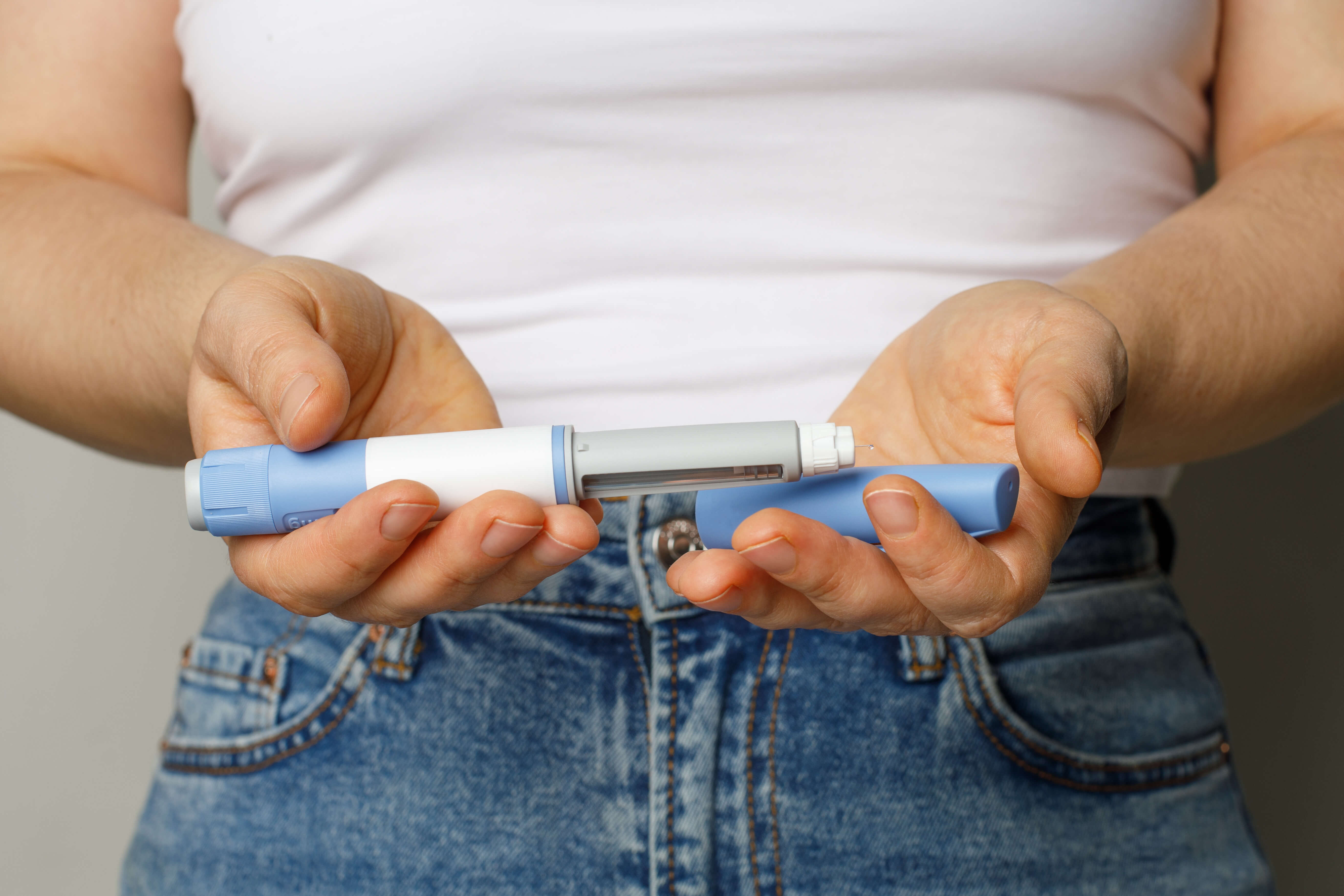
Semaglutide (Wegovy, Ozempic) mimics GLP-1, a hormone your body naturally produces that helps regulate appetite and blood sugar.
For weight loss, one of its main effects is helping you feel less hungry and more satisfied after eating, which can make it easier to eat less without feeling like you’re constantly fighting your appetite.
Semaglutide can also slow how quickly food leaves your stomach, especially when you first start taking it, which may help you feel fuller after meals.
But semaglutide isn’t meant to do all the work on its own. It’s prescribed alongside healthy eating and regular physical activity, and weight loss tends to happen gradually rather than overnight.
How much you lose, and how quickly, can also vary quite a bit from person to person. Your starting weight, dose, how your body responds to the medication, and your eating and activity habits can all play a role.
You Might Not Be on the Right Dose Yet
Before deciding semaglutide “isn’t working,” check where you are in the dosing schedule. Starting doses are intentionally low, and it can take several months to work up to a dose that produces a more noticeable effect.
Starting Doses Are Just for Getting Used to the Medication
If you’re taking once-weekly injectable semaglutide, you’ll typically start at 0.25 milligrams (mg) per week. This dose is intentionally low so your body can adjust to the medication and reduce the risk of side effects.
Some people notice early changes, like less hunger and fewer cravings, and may even start losing weight. Others don’t see much change until the dose increases.
So if you’re still taking a starter dose and the scale isn’t moving much, that can be a very normal part of the titration process rather than a sign that semaglutide isn’t working.
It Takes Time to Reach Your Effective Dose
Semaglutide dosing depends on the specific medication and what it’s prescribed for. A 2026 study notes that semaglutide follows a standard schedule that starts at 0.25 mg weekly and increases about every four weeks to 0.5 mg, 1 mg, 1.7 mg, and then 2.4 mg. So if you’re following that schedule, it takes about four months just to work your way up to 2.4 mg.
Just like starting with a low dose, gradual dose increases are intentional. Giving your body time to adjust can help minimize side effects. If your side effects are difficult to manage, your prescriber may keep you at a lower dose longer before increasing it again.
In other words, your timeline doesn’t have to — and very likely won’t — look exactly like someone else’s to be on track.
When to Talk to Your Prescriber About Adjusting Your Dose
If you’re taking semaglutide consistently but aren’t seeing much change in your weight, hunger, or fullness, talk to your prescriber about where you are in the dosing schedule. Some people get good results at lower doses, while others may need to gradually increase their dose to see a meaningful effect.
Your prescriber can look at how long you’ve been taking your current dose, how well it’s working, and whether you’re having side effects to decide what comes next. That might mean increasing your dose, staying where you are a little longer, or considering another approach.
Either way, only change your dose based on your prescriber’s guidance.
Your Eating Habits May Be Working Against the Medication
Semaglutide can reduce your hunger and cravings while making smaller portions feel more satisfying. Still, eating less on its own may not support the results you want while taking semaglutide.
Eating Less Doesn't Always Mean Eating Better
Semaglutide can make smaller portions feel like more than enough, but eating less doesn’t always mean you’re getting what you need or creating a calorie deficit big enough for weight loss. Calorie-dense foods can deliver a lot in smaller portions, whether that’s a handful of trail mix, a few slices of pizza, or snacks you grab from the pantry throughout the afternoon.
Drinks can be easy to miss, too. Sweetened coffee, soda, juice, and alcohol don’t take up much room in your stomach, but the calories still count toward your daily intake — and they can add up quickly.
That doesn't mean those foods are off-limits. But it does mean that with a lower appetite, it’s important to prioritize nourishing foods like protein, vegetables and fruit, whole grains, and other minimally processed foods.
Not Eating Enough Protein Can Slow Your Progress
A smaller appetite can also make it surprisingly easy to fall short on protein. Maybe you’re not hungry for breakfast anymore, can only manage part of your lunch, or find that meat sounds especially unappealing some days. By dinner, you may have a lot of protein left to squeeze into a smaller appetite.
Protein becomes especially important when you’re losing weight because your body can lose lean tissue, including muscle, along with fat. A 2024 meta-analysis and systematic review indicates that getting enough protein helps preserve muscle, which supports strength, function, and metabolism. Protein also makes meals feel more satisfying, which helps when you’re eating smaller portions.
When you’re navigating a smaller appetite, try spreading smaller amounts throughout the day with foods like eggs, Greek yogurt, cottage cheese, milk, chicken, fish, tofu, beans, or edamame. If solid food is a tough sell that day, a protein shake or smoothie can be an easier way to fill in the gaps.
You Haven't Given It Enough Time
If you’ve only been taking semaglutide for a few weeks, it may simply be too soon to judge your results. You may start losing weight while you’re still increasing your dose, but semaglutide studies measure results over many months, not a handful of weeks.
In the STEP 1 trial, adults taking 2.4 mg of semaglutide lost an average of about 15% of their starting body weight over 68 weeks. Weight loss continued throughout much of that period, which is important context if you’re expecting a dramatic change right away.
You also need to be realistic about how quickly you lose weight. The CDC highlights that losing weight gradually, or about 1 to 2 pounds a week, can help you keep the weight off. Still, that doesn’t mean you’ll lose exactly that amount every seven days. You may lose one week and not the next. People who start at a higher body weight may also lose more pounds per week, particularly earlier in treatment.
The bigger point: Give semaglutide enough time before deciding whether it’s working for you. Look at your progress over months rather than expecting a certain result each week, and remember that weight isn’t your only measure of progress. Changes in your measurements, how your clothes fit, and health markers also indicate meaningful progress in your journey.
Other Medications or Health Conditions Might Be Interfering
Semaglutide isn’t the only medication that can affect your weight. Other medications and health conditions may make it harder to lose weight, even when you’re taking semaglutide as prescribed.
Common Medications That Can Affect Weight Loss
Some medications can make weight loss more difficult, including certain antidepressants, corticosteroids, some diabetes medications like insulin, and certain blood pressure medications.
If you think one of your medications may be affecting your weight, don’t stop taking it or change the dose on your own. Talk with your prescriber instead. Depending on why you take the medication, another option may be less likely to affect your weight.
Underlying Health Issues to Consider
Certain health conditions can complicate weight loss. As Cleveland Clinic shares, polyendocrine metabolic ovarian syndrome (PMOS) and the insulin resistance that often accompanies it can contribute to weight gain. Thyroid issues and hormonal shifts during perimenopause and menopause can also affect weight and body composition.
Type 2 diabetes is especially worth mentioning here. One study published in JAMA Network Open found that people with type 2 diabetes lost less weight with semaglutide than those without diabetes.
If you’re losing much less weight than expected despite taking semaglutide as prescribed, or you’re noticing other symptoms you can’t explain, bring it up with your prescriber. They can decide whether anything else needs to be checked.
Lifestyle Factors That Impact Your Results
What you eat isn’t the only part of your routine that can affect weight loss on semaglutide. Other lifestyle factors — like how much you move, how well you sleep, and how you handle stress — can shape your eating habits, activity levels, and ultimately your progress.
Sleep and Stress Matter More Than You Think
A rough night of sleep affects more than your energy the next day. While the relationship between sleep and appetite hormones like ghrelin and leptin isn’t as clear-cut as once thought, we do know that poor sleep leaves you hungrier and often makes you eat more. A large meta-analysis found that sleep restriction increased hunger and daily calorie intake and led to modest weight gain.
And when you’re dragging after four or five hours of sleep, your workout, morning walk, or plans to cook a nutritious dinner can fall through the cracks.
Then there’s stress. Despite what you may have heard on social media, cortisol isn’t simply “blocking” your weight loss. Stress can affect people very differently, but its ripple effects can make weight loss harder: you may sleep worse, have less energy to exercise, skip meals and grab whatever is convenient later, or reach for food more often when you’re overwhelmed.
Sleep and stress can also feed each other. You’re stressed, so you don’t sleep well. Then you wake up exhausted, hungry, and a little less equipped to deal with whatever is stressing you out in the first place.
It’s not realistic to eliminate all of your stress or nail eight perfect hours every night — life happens! Start with something you can realistically repeat, whether that’s keeping your bedtime and wake time more consistent, getting regular physical activity, putting your phone away earlier, or spending a few minutes on a relaxation or mindfulness practice.
If poor sleep has become the norm rather than the occasional off night, cognitive behavioral therapy for insomnia (CBT-I) is another well-supported option to discuss with a healthcare professional.
Movement Doesn't Have to Mean Intense Exercise
High-intensity exercise can be time-efficient, but your workouts don’t need to leave you drenched in sweat to support weight loss.
Research generally finds similar changes in weight and body fat with moderate- and high-intensity exercise when overall energy expenditure is comparable. Walking, cycling, swimming, dancing, hiking, or anything else that gets you moving counts. Even outside a formal workout, small things like taking the stairs, walking while you’re on the phone, or adding a 10-minute walk after dinner can increase how much you move over the course of the day.
Resistance training deserves a regular spot in your routine, too. When you’re losing weight, you can lose muscle along with fat, and strength training helps preserve it. Think lifting weights, using resistance bands, doing bodyweight exercises, or whatever form of resistance work feels doable for you.
The takeaway: You don’t need to exercise harder just for the sake of exercising harder. Build your routine around activities you like, include some resistance training, and look for simple ways to move more throughout the day.
You Might Be Losing Weight Differently Than You Think
It’s normal for the number on the scale to bounce around from day to day, even when you’re losing weight. Changes in hydration, how much food and fluid is still in your digestive tract, hormonal shifts, and when you last went to the bathroom can all temporarily move the number up or down.
Constipation can make this especially noticeable on semaglutide. If you haven’t had a bowel movement in a few days, for example, the scale may stay the same or tick up even though that change has nothing to do with gaining body fat.
The scale also doesn’t know the difference between fat and muscle. If you’re strength training and eating enough protein, the goal is to keep as much muscle as possible while losing more weight from fat. That’s a much better outcome than simply chasing the biggest drop in body weight.
So take some pressure off the scale. Measure your waist every few weeks, notice if your pants are looser or whether you’ve dropped a belt notch, or compare progress photos taken under similar conditions, including lighting. And look beyond changes you can see: Your blood sugar, blood pressure, or cholesterol may be improving, too.
Most importantly, don’t let Tuesday morning’s weigh-in decide whether semaglutide is working. Look at what your weight has been doing over several weeks. A two-pound jump after a salty restaurant meal, a few days of constipation, or a week at roughly the same weight can easily hide the bigger trend.
When to Talk to Your Healthcare Provider
It takes time to see your full response to semaglutide. You can start losing weight while you’re still increasing your dose, but weight loss can continue for a year or longer. So a slower start doesn’t necessarily mean semaglutide isn’t working.
But let’s say you’ve made it through titration, spent several months at a maintenance dose, and… zilch. Your appetite feels the same. Your cravings haven’t budged. You’re not getting full any sooner. And your weight, waist measurement, or body fat hasn’t meaningfully changed. That’s worth having a conversation with your prescriber.
Check in sooner if side effects are making it difficult to eat, drink, or go about your day, you’re unsure whether you’re taking the right dose, or you have questions about exactly what semaglutide product you received or where it came from.
Your prescriber can review your dose, how long you’ve been taking it, other medications you use, and health conditions that could be affecting your results. Semaglutide may simply not be the right medication for you, either. In that case, your prescriber may recommend another weight-loss medication, such as tirzepatide, which targets both glucose-dependent insulinotropic polypeptide (GIP) and GLP-1 receptors rather than GLP-1 alone.
Of course, the medication itself isn’t always the question. Maybe semaglutide is changing your appetite, but now you’re trying to figure out how to eat around it. How much protein do I actually need? What do I eat when nothing sounds good? Am I eating too little, too much, or just differently than I realize?
That’s where a registered dietitian can be especially helpful. An RD can help you answer those questions and make eating on semaglutide feel much less confusing. Top Nutrition Coaching can match you with a registered dietitian for one-on-one nutrition support.
What You Can Do Starting Today
Before deciding semaglutide isn’t working, run through a few things you can check or change right now:
- Take semaglutide as prescribed: Don’t change your dose or dosing schedule on your own.
- Take stock of what you’re eating: Notice your portions, snacking, drinks, and whether you’re eating past fullness.
- Prioritize protein: Include a protein source at each meal, even if the portion is small.
- Look beyond the scale: Track your weight trend, waist measurement, how your clothes fit, and relevant health markers.
- Give sleep some attention: Aim for a more consistent sleep schedule or a little more sleep when you can.
There’s plenty you can work on yourself, but you also don’t have to troubleshoot everything alone. If you’ve reached a maintenance dose and still have little to no change in appetite, fullness, weight, or body composition, bring that information to your prescriber.
If semaglutide is changing your appetite but you’re not sure how to eat around it, a registered dietitian can help you figure out what to eat and how much. Top Nutrition Coaching can also connect you with a registered dietitian for one-on-one support. Take the matching quiz to get started.
Frequently Asked Questions
Why am I not losing weight on semaglutide even though I'm taking it every week?
You may start losing weight on semaglutide within the first few weeks, although some people notice little change until their dose increases. By around three months, studies show average weight loss of about 5% to 6% of starting body weight, and weight loss can continue for a year or longer.
How long does it usually take to start losing weight on semaglutide?
Weight loss can begin within the first few months of taking semaglutide. In one real-world study, people lost an average of 5.9% of their starting body weight after three months and 10.9% after six months.
What are the most common reasons for a weight loss plateau on semaglutide?
Common reasons for a weight loss plateau on semaglutide include needing fewer calories as you lose weight, not yet reaching an effective dose, missed or interrupted doses, and other medications or health conditions. Plateaus are also normal in weight loss, with clinical trials showing average weight loss on semaglutide eventually leveling off after about a year.
Could my semaglutide dose be too low to cause weight loss?
Your semaglutide dose could be too low to produce much weight loss. Lower doses can still lead to weight loss, but studies show greater weight loss at higher doses. If you’re still on a starter dose, you may need more time and further dose increases as prescribed.
What should I discuss with my prescriber if semaglutide isn't helping me lose weight?
If semaglutide isn’t helping you lose weight, discuss your dose, how long you’ve been taking it, and whether other medications or health conditions could be affecting your results with your prescriber. Mention missed doses or side effects that have made it difficult to stay on schedule, too. If you’ve had little response after enough time at an appropriate dose, ask whether another treatment option makes sense.
Can hidden calories prevent weight loss on semaglutide?
Hidden calories can make it harder to lose weight on semaglutide. Calories from drinks, cooking oils, condiments, frequent snacks, or larger portions can make it harder to maintain the calorie deficit needed for weight loss, even if semaglutide has reduced your appetite. You don’t have to track every calorie, but paying closer attention to what you eat and drink for a few days can be useful.
How can I adjust my diet and exercise if I'm not losing weight on semaglutide?
If you’re not losing weight on semaglutide, start by looking at what you’re eating and how much, especially if your appetite has changed. Prioritize protein at meals, include resistance training to help preserve muscle, and find ways to move more throughout the day. You don’t need to slash calories or suddenly double your workouts.
What medical conditions can interfere with semaglutide weight loss?
Certain conditions can make weight loss more difficult, such as PMOS, insulin resistance, and thyroid disorders. Research also shows that people with type 2 diabetes tend to lose less weight with semaglutide than those without it.
Is it normal to stop losing weight on semaglutide after a few months?
It can be normal to stop losing weight on semaglutide for a short period, but weight loss often continues beyond the first few months. In clinical trials, average weight loss tended to level off around 12 to 15 months. If you’ve stopped losing much earlier, review your dose, medication schedule, eating habits, and other possible factors with your prescriber.
Should I stop semaglutide if I'm not losing weight, or try adjusting my approach first?
If you’re not losing weight on semaglutide, don’t stop taking it on your own. Talk with your prescriber first about your dose, how long you’ve been taking it, missed doses, side effects, other medications, and health conditions. If you’ve given it enough time at an appropriate dose and still aren’t seeing much progress after addressing factors like diet and exercise, your prescriber can help determine whether a dose adjustment or a different medication makes sense.