Top Nutrition Coaching is fully dedicated to providing its readers with transparent, accurate, and compassionate information that applies to individuals from every demographic. Our nutritionists adhere to specific guidelines when creating content to ensure that all published materials are most advantageous to our readers. Top Nutrition Coaching has a no-tolerance policy regarding plagiarism.
All materials published by Top Nutrition Coaching adhere to the criteria outlined below:
- When possible, Top Nutrition Coaching only uses primary sources. Only peer-reviewed journals and government and state sites will be used if primary sources are unavailable.
- Our team reviews every article on the Top Nutrition Coaching site on a periodic basis. Our regular review process ensures that we constantly communicate the most up-to-date information about nutrition, health, and wellness.
- All of our content will be thorough and factual but also approachable. Our goal is to help readers learn about nutrition, not to confuse them.
- All of our content is verified by nutritionists and dietitians with certifications and advanced degrees. Every article will include a registered nutritionist or dietitian’s byline.
- None of our content will include false promises or guarantees. Our number one priority is supporting our audience and their health – their needs come first.


The Ozempic Diet: Foods to Eat and Avoid
What you eat on Ozempic matters as much as the medication. Here's how to protect muscle, get enough protein and fiber, and manage side effects.
.jpg)
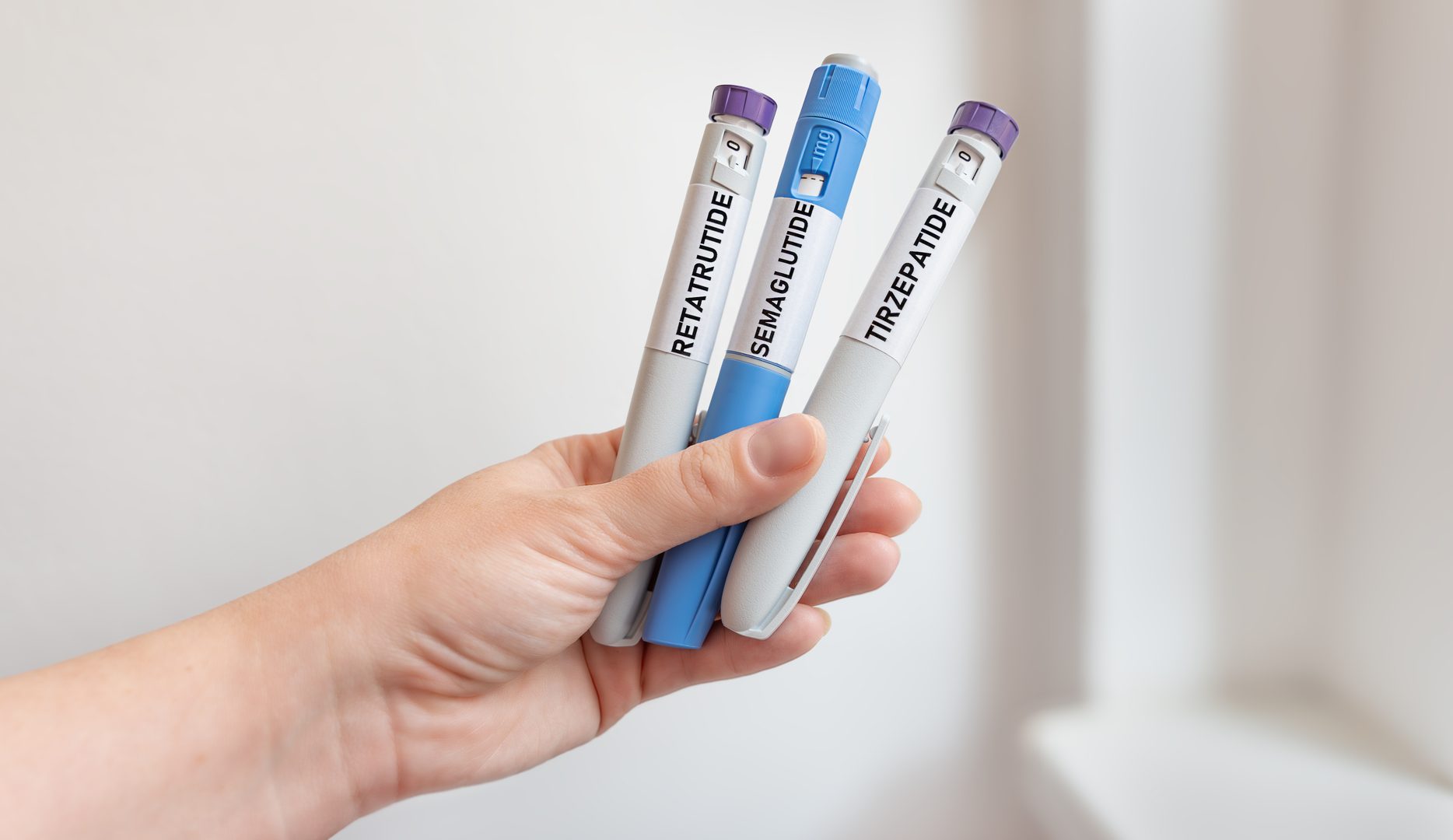
Ozempic (semaglutide) is a popular FDA-approved drug used to treat type 2 diabetes that can also be prescribed off-label for weight loss. One of the main changes people notice while taking Ozempic is how much quieter their appetite becomes. This is the function of the medicine doing its job, but it also means you may need to be more intentional with prioritizing the nutritional value of the food you are eating.
In this article, we'll talk about which foods to prioritize and avoid to optimize the effect of the medication, how to manage the side effects that make eating more challenging, and how to build healthy eating habits that you can maintain even after discontinuing Ozempic.
Understanding How Ozempic Changes Your Appetite
Ozempic is a prescription medication containing semaglutide which mimics a gut hormone the body already produces naturally called glucagon-like peptide-1 (GLP-1). This hormone tells the brain to stop or slow eating, makes the stomach empty more slowly, and increases the release of insulin for better blood sugar control. That is why Ozempic is used as a treatment for both diabetes and weight loss.
People on Ozempic report common changes in their appetite including needing less food to feel full, spending less time thinking about food, and fewer cravings. Though eating less food and fewer calories is necessary for weight loss, it also means that the little food you are getting should be nutritious enough to nourish your body.
Remember, the medication alone is not going to fix all of your health needs. These medications are meant to help you in your weight loss journey along with lifestyle changes like healthy eating habits and regular physical activity. Not only do these habits make the medication more effective, but they can help you maintain your health after your time using Ozempic is over.
Foods to Prioritize While Taking Ozempic
When adjusting to a newly reduced appetite, you may want to use your stomach real estate wisely and avoid renting it out to processed, empty-calorie foods that don't provide a lot of nutrition. Balanced meals that have lean protein, fiber from fruits and veggies, and healthy fats or whole grains are the general principle you want to think of throughout your journey on a GLP-1 diet.
This could be as simple as grilled chicken with roasted veggies and whole wheat pasta or an egg white scramble topped with avocado and paired with a piece of fruit. Minimally processed whole foods like this promote better digestive health, more sustained energy, and less brain fog.
Prioritizing healthier foods even while on Ozempic promotes the ability to maintain your weight loss and supports long-term health. It's common for people to reap the benefits of the rapid weight loss that eventually comes with Ozempic without paying much attention to what foods they are eating, but it's vital to remember that weight loss does not always equal better health.
Protein-Rich Foods for Muscle Health
Protein is arguably the most important nutrient to focus on while on Ozempic. When rapid weight loss occurs, it's very common for muscle to be lost along with fat tissue. Muscle loss is not ideal for most people, so to prevent or slow muscle loss during a weight loss journey, it's important to eat a sufficient amount of protein.
Protein helps control appetite, so getting used to a high-protein diet can help you manage your hunger after Ozempic as well. Protein also helps you maintain muscle mass, because when protein is scarce in the diet the body will begin to break down muscle tissue to get the amino acids it needs for other bodily processes.
According to Dr. Devon Allen, Top Nutrition Coaching's medical contributor, there are specific warning signs that point to muscle loss during rapid weight loss: "If a patient becomes weak or easily fatigued, that can be a warning sign of muscle degradation or muscle loss. Additional symptoms can include dizziness or lightheadedness and decreased stamina."
High-quality protein sources that deliver all of the essential amino acids your body needs include lean meats like seafood and poultry, along with non-fat dairy like Greek yogurt, eggs, and tofu. Aiming for about 20 to 30 grams of protein per meal is ideal to maintain muscle.
This amount also helps you to manage hunger, with many people finding it helpful to eat most of the protein in your meal first to ensure you meet your protein needs for the meal before getting too full from other components on your plate.
Fiber-Packed Foods to Support Digestion
Some commonly reported side effects with Ozempic and other similar weight loss medications include constipation, indigestion, and diarrhea. Eating enough fiber and staying hydrated can help these effects be more manageable.
Some fiber-rich, nutritious foods to include in an Ozempic diet include oats, berries, leafy greens, whole grains, and legumes like lentils, black beans, and edamame. If you aren't eating a lot of fiber right now, it's critical to not start eating a lot of it abruptly.
This is because a sudden increase in fiber intake can actually make constipation worse, especially if accompanied by dehydration. Start by adding high-fiber foods into your Ozempic diet slowly and gradually, along with drinking enough water to help keep it moving along in your gut.
Healthy Fats in Moderation
Healthy fats help support the healthy production of hormones and make a heart-healthy replacement for inflammatory, saturated fats from sources like butter, full-fat dairy, and fatty cuts of meat. Though healthy fats are good for you, they are higher in calories than carbs and protein, so consuming them in moderation is important to continue to manage your weight.
Examples of sources of unsaturated, anti-inflammatory fats include olives and olive oil, nuts, nut butter, avocado, and fatty fish like salmon and mackerel. Take note that fat takes longer to digest than foods like carbs, so it may exacerbate nausea for those who experience it on Ozempic.
Limiting healthy fats to 4 ounces of animal protein and 1 tablespoon of fats and oils (or the length of your thumb) is a safe way to practice good portion control.
Foods to Limit or Avoid on Ozempic
Not only are there certain foods to avoid while on the Ozempic diet because these foods may not be conducive to weight loss goals, but some foods can also cause inflammation and exacerbate side effects like nausea and indigestion.
It's not to say you can't ever have the foods we are about to cover, but you want to be sure you're having nutritious, gut-friendly foods more often to help you feel your best while on Ozempic while also ensuring the medication is working to its full potential.
High-Fat and Fried Foods
Greasy, fried foods sit in the stomach for much longer than leaner options because they take longer for the body to digest. This can worsen the bloating, nausea, and stomach discomfort that often comes with Ozempic, especially when dosage is increased, because the medication slows digestion even more.
Examples of these foods include deep-fried items, creamy sauces, fatty cuts of meat like bacon and pepperoni, and many fast food items. Instead, opt for leaner proteins and oil or tomato-based sauces. Changing your cooking method from deep frying to pan frying, grilling, roasting, air frying, and steaming can also be beneficial.
Sugary Foods and Refined Carbohydrates
Foods like soda, candy, desserts, pastries, cookies, sugary lattes, and white bread, rice, and pasta are all foods to look out for on an Ozempic diet. These foods tend to provide a lot of calories, but not a ton of nutrients, while also digesting very quickly.
When food digests too quickly, you end up feeling hungry again soon after a meal, which can lead to you overeating calories over time. These foods also cause blood sugar spikes, which is bad news for those with diabetes, but even for those without diabetes, the subsequent crash that comes from these spikes makes it hard to maintain ideal energy levels.
Alcohol and Caffeinated Beverages
Dr. Allen breaks down why alcohol is flagged for patients on GLP-1s: "Alcohol consumption while on GLP-1s can increase the likelihood of hypoglycemia, especially in diabetic patients who are more prone to blood sugar drops. Alcohol can exacerbate gastrointestinal (GI) side effects in all patients on GLP-1s."
Alcohol is also highly inflammatory, which is not conducive to an Ozempic diet. Furthermore, it can exacerbate nausea, heartburn, and indigestion.
If you do choose to drink alcohol, limit your consumption to just one drink and only partake sparingly throughout the week. Avoid fruit juices, sodas, or other sugary mixers like syrups. Caffeine, which is generally okay in moderation, can quickly become not okay when combined with certain other food items.
Black coffee with a small amount of cream is fine, but lattes with large amounts of cream, sugar, or syrups can quickly produce a high-calorie habit. It's also generally good to prioritize water for hydration, especially when too much caffeine can act as a diuretic, which makes it harder to stay hydrated.
Managing Common Eating Challenges on Ozempic
Side effects impacting the digestive system and experiencing changes in taste and appetite are common on Ozempic, but with the right diet and communication with your prescriber they are typically very manageable. Whatever you do, don't try to ignore them, as they can impact your nutrition status, energy levels, and general quality of life.
If you run into snags while starting healthier eating, don't see it as a failure. Progress with health and weight goals is almost never linear and there will be pitfalls, but consistency rather than perfection is what you want to focus on.
What to Do When You Feel Too Full to Eat
Given one of the ways Ozempic works is by emptying the stomach more slowly, it's important to watch how much and how frequently you eat. Many people find more comfort in eating smaller meals, but more often during the day.
You want to make these meals nutrient-dense with lean protein and high-fiber foods to avoid overeating and to ensure you get proper nutrition. What you should avoid is skipping meals entirely, as this can cause issues with blood sugar control and could cause you to binge later in the day.
If you feel you are losing weight at an alarming rate, are low on energy, or feel dizzy, you are likely not eating enough. Talk to your prescriber or a nutrition professional if you notice these effects.
Dr. Allen explains how to tell when appetite suppression has crossed into inadequate intake: "GLP-1s can result in very rapid weight loss, and for some people, that weight loss can be too fast. Our goal is to lose one to two pounds per week. Beyond that, you can start to see negative consequences such as muscle loss. The best approach is to involve a dietitian from the start. The best weight loss results are demonstrated when the focus is not just on medication, but on dietary changes and exercise."
Dealing with Nausea and Digestive Issues
Nausea and other GI issues are the most common side effects and can be the most difficult to deal with for some. To manage these, it's advised to avoid foods with strong odors, a lot of seasoning, or foods that are super spicy or greasy.
Eating more slowly, having smaller portions in one sitting, and chewing thoroughly can also ease digestion. Some gentle, easy-to-digest foods include bananas, toast, crackers, rice, and broth-based soups without cream. If side effects get very hard to deal with or don't ease over time, talk to your prescriber about potentially changing your dosage.
Sample Daily Eating Pattern on Ozempic
The USDA guidelines, using the MyPlate method, stipulate that your plate should be half fruits and/or vegetables, a quarter lean protein, a quarter whole grains, with some room for healthy fats and dairy when needed. This is a template with room for flexibility, by the way, not a rigid meal plan. Portion sizes should also be kept small to account for the reduced appetite.
Here is a sample day of what eating on an Ozempic diet would look like, using the MyPlate method to make a balanced, anti-inflammatory meal that's high in fiber and protein:
Breakfast: Oatmeal topped with berries and two hard boiled eggs with a side of 8 ounces of low-fat milk
Lunch: Spinach salad with grape tomatoes, shredded carrots, and cucumber topped with grilled chicken and lentils with a balsamic vinaigrette dressing and a slice of toasted whole-wheat baguette
Dinner: Roasted tilapia fish tacos on corn tortillas topped with purple cabbage, sliced radishes, low fat cheese, and tomato salsa.
Snack: Tuna mixed with non-fat Greek yogurt with whole-wheat crackers
Working with a Registered Dietitian for Personalized Guidance
While on Ozempic, professional support from a registered dietitian can allow you to personalize your Ozempic diet to your needs, food preferences, and health goals. They can also monitor whether or not you're getting the right nutrients or assess deficiencies, and many insurance plans cover nutrition counseling with a dietitian.
Top Nutrition Coaching connects you with a licensed registered dietitian who can support your goals while on GLP-1 medications. Sessions happen virtually, which makes getting nutrition support while on Ozempic easy and convenient.
Considering a GLP-1? Here's How Top Nutrition Coaching Can Help
If you're exploring GLP-1 medications for weight loss or blood sugar management, medicine is only half the answer. Top Nutrition Coaching can match you with a medical provider to see if a GLP-1 prescription is right for you, then pair you with a registered dietitian to support you through the process — helping manage side effects, protect muscle mass, and build habits that make your results last. Many insurance plans cover dietitian sessions, and some plans cover them at no additional cost, though coverage varies by plan and isn't guaranteed. A prescription requires a medical consultation and isn't guaranteed either. Take our quick quiz to see what your insurance covers and get matched with support.
Key Takeaways for Eating Well on Ozempic
The most critical nutrition principles to remember while on an Ozempic diet include:
- Eating nutrient-dense foods even with a reduced appetite
- Focusing on lean proteins, healthy fats, whole grains, and fiber from fruits and vegetables
- Avoiding overly processed, fatty, refined, or fried foods including sugar and alcohol
- Eating smaller, portion-controlled meals more frequently rather than three large ones to manage nausea and other GI effects
Remember that Ozempic is a tool, but it won't accomplish all of your goals on its own. It works best when paired with healthy eating habits. Listen to your body and hunger cues while ensuring good nutrition.
If you need nutrition support, seeking work with a dietitian is the best way to establish your own eating habits that work for you, your Ozempic dose, and your health goals.
With the right nutrition approach, you can optimize Ozempic's effectiveness while maintaining your health in the long term. Check if your insurance covers a dietitian and see whether you can get comprehensive support from a registered dietitian.
Frequently Asked Questions
Do I need to follow a special eating plan while taking Ozempic?
While no foods are strictly off-limits, pairing Ozempic-use with a nutritious diet is highly recommended.
What foods should I eat and avoid on an Ozempic diet to minimize side effects like nausea?
To minimize nausea on Ozempic, eat smaller, bland, and low-fat meals.
How much protein should I eat per day on an Ozempic diet to prevent muscle loss?
To prevent muscle loss on Ozempic, aim for 1.2 to 1.5 grams of protein per kilogram of your body weight daily (about 0.55 to 0.68 grams per pound). For example, a 150-pound person should target roughly 80 to 102 grams daily.
How do I manage digestive side effects like constipation through my Ozempic diet?
To manage Ozempic-induced constipation, prioritize hydration and slowly introduce high-fiber foods, while avoiding processed items that slow digestion.
Can I follow a vegetarian or vegan Ozempic diet plan?
Yes, you can absolutely follow a vegetarian or vegan diet on Ozempic.
What is the best Ozempic diet for women over 50 who want to lose weight safely?
The best Ozempic diet for women over 50 emphasizes lean protein (25 to 30 g per meal) to protect bone and muscle mass, high-fiber foods (30 g/day) to prevent constipation, and healthy fats for hormonal balance.
How much fiber and water should I drink daily on an Ozempic diet to avoid constipation?
To avoid constipation on Ozempic, aim for 25 to 38 grams of fiber and 64 to 100 ounces (about 2 to 3 liters) of water daily.
What are common mistakes people make on an Ozempic diet that slow down weight loss results?
Common mistakes slowing Ozempic weight loss include undereating (which stalls your metabolism), not eating enough protein and fiber, relying on medication alone without lifestyle changes, and drinking high-calorie beverages.
.webp)



Find a Registered
Dietitian You Love