Top Nutrition Coaching is fully dedicated to providing its readers with transparent, accurate, and compassionate information that applies to individuals from every demographic. Our nutritionists adhere to specific guidelines when creating content to ensure that all published materials are most advantageous to our readers. Top Nutrition Coaching has a no-tolerance policy regarding plagiarism.
All materials published by Top Nutrition Coaching adhere to the criteria outlined below:
- When possible, Top Nutrition Coaching only uses primary sources. Only peer-reviewed journals and government and state sites will be used if primary sources are unavailable.
- Our team reviews every article on the Top Nutrition Coaching site on a periodic basis. Our regular review process ensures that we constantly communicate the most up-to-date information about nutrition, health, and wellness.
- All of our content will be thorough and factual but also approachable. Our goal is to help readers learn about nutrition, not to confuse them.
- All of our content is verified by nutritionists and dietitians with certifications and advanced degrees. Every article will include a registered nutritionist or dietitian’s byline.
- None of our content will include false promises or guarantees. Our number one priority is supporting our audience and their health – their needs come first.


Zepbound Cost With and Without Insurance: What You'll Actually Pay in 2026
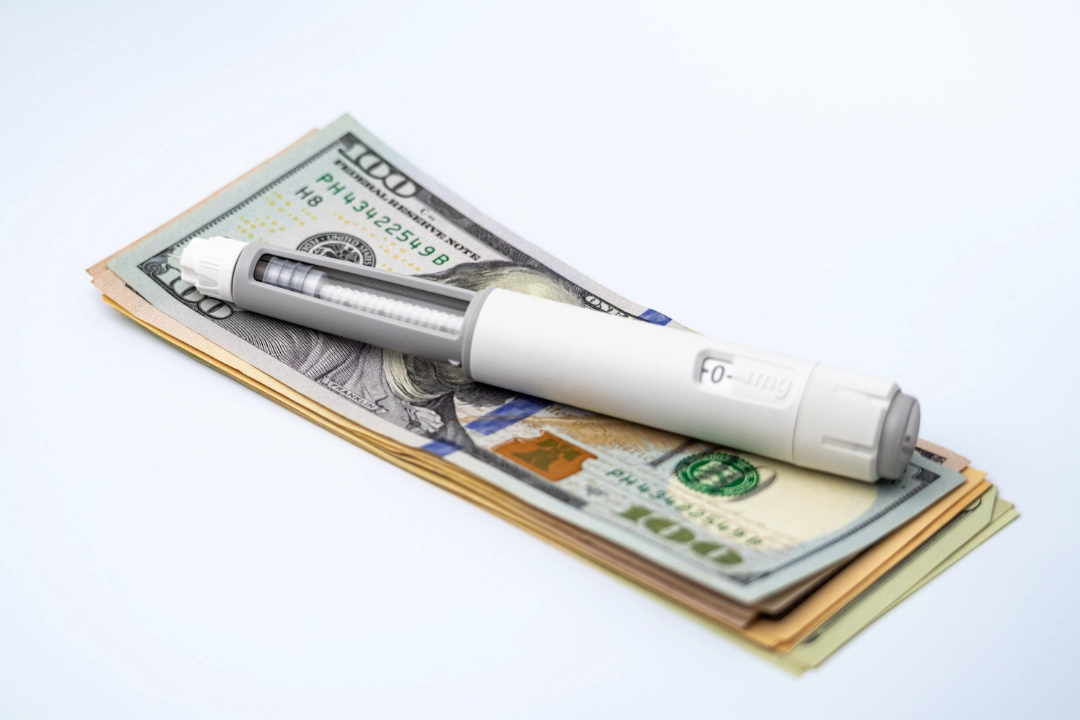
Zepbound can cost $25 to more than $1,000 a month. This guide breaks down 2026 pricing by insurance type, self-pay option, and dose, plus ways to lower what you pay.
Key Takeaways
- Price range: Zepbound can cost from about $25 to more than $1,000 a month, depending on your insurance, dose, and where you fill it.
- Without insurance: LillyDirect self-pay runs $299 to $449 a month, but late refills on higher doses cost more.
- With coverage: Commercial plans plus Lilly's savings card can bring costs as low as $25 per fill, and eligible Medicare Part D members may pay $50 a month through the GLP-1 Bridge.
- Hidden costs: Lab work, prescriber visits, and nutrition support can add to your monthly total.
- Support beyond the medication: Many plans cover nutrition counseling, so it's worth taking a minute to check if your insurance covers a dietitian.
Have you noticed Zepbound (tirzepatide) can cost anywhere from $25 a month to more than $1,000? That difference for the same medication, with so many routes of how to get it, can easily lead to overwhelm and frustration. How do you know the best route to get it and find out what you’ll actually pay?
To sum up, your insurance, dose, and where you fill your prescription all play a role. And with savings programs and new pricing options in the mix, even the list prices you see online don’t tell the whole story.
Read on to learn what Zepbound costs in 2026, including ways to save and extra expenses to plan for before starting treatment.
What Zepbound Costs at a Glance
As of October 2026, Zepbound can cost anywhere from $25 to more than $1,000 monthly. What you pay depends on your insurance, eligibility, and dose. Here’s what to expect, depending on your options:
Zepbound List Price vs. What Most People Pay
The list price is the full price Zepbound is marked as, but there are usually ways around paying it. Discounts come through insurance, rebates, and manufacturer discount programs. Often, the highest price comes from paying at a pharmacy before checking for discounts and insurance options.
As of October 2026, Zepbound's list price is $1,086.37 per fill for single-dose pens. Commercial insurance usually offers the biggest discount, with as little as $25 for a one- or three-month supply for single-dose pens (not including government insurance plans, only commercial).
Also, if you're finding Mounjaro cheaper than Zepbound, that doesn't mean you can switch medications. The U.S. Food and Drug Administration (FDA) approved Zepbound for chronic weight management and obstructive sleep apnea, while Mounjaro is approved for type 2 diabetes, and insurers cover each based on its approved use. Learn more about Mounjaro insurance coverage.
What Zepbound Costs Without Insurance
Just because you don't have insurance doesn't mean you're out of options. Paying cash through LillyDirect, for example, is usually cheapest (especially compared to a pharmacy), but the total depends on your dose and how you buy it.
LillyDirect Self-Pay Pricing by Dose
As of October 2026, LillyDirect's self-pay prices start at $299 per month for the 2.5 mg dose, $399 for 5 mg, and $449 for doses from 7.5 mg through 15 mg, provided you meet the refill requirements.
There's an important catch: to keep the discounted price on higher doses, you usually need to refill within 45 days of your last delivery. If you miss your window, the price can go up to $499 for 7.5 mg and $699 for 10 mg through 15 mg. A break in treatment or delayed refill can dramatically increase your costs.
Pricing can also differ depending on whether you use the single-dose vials or the multi-dose KwikPen; always check the current LillyDirect Zepbound pricing page before ordering. You'll also always need a prescription from a licensed prescriber; LillyDirect changes how you access the medication, not who can prescribe it.
Retail Pharmacy Cash Prices
Paying cash at the pharmacy without a manufacturer program can cost $1,020 to $1,140 per month. These prices are generally close to list price, so switching pharmacies may save you tens of dollars rather than hundreds.
If you're paying out of pocket, compare LillyDirect's self-pay option before shopping around for a lower retail price. And don't assume a 90-day supply will offer the same savings you might see with other prescription medications; multi-month Zepbound fills are generally priced proportionally.
Zepbound Discount Cards vs. Self-Pay
Pharmacy discount cards offer lower prices when paying cash, but they aren't insurance or manufacturer savings programs. They might bring down the retail price, but the savings aren't as good as Lilly's direct self-pay pricing.
You also usually can't combine a pharmacy discount card with insurance or Lilly's savings card for the same fill. If you're paying cash, check LillyDirect's price first, then compare it with the discount-card price to see which option actually saves you more.
What Zepbound Costs With Commercial Insurance
Having commercial insurance doesn't automatically mean you’re covered for Zepbound. And if it's covered, your cost depends on your deductible, copay or coinsurance, and the plan's drug tier. Check your plan's formulary and benefits summary for the most accurate estimate.
The Zepbound Savings Card and Its 2026 Limits
If your commercial insurance covers Zepbound, Lilly's savings card might reduce your cost to as little as $25 per eligible fill. You just have to meet the eligibility requirements and check the limits on savings per fill, annual benefits, and total fills. Current card terms run through December 31, 2026.
And as always, the savings card isn't available for government-funded programs such as Medicare or Medicaid.
When Your Plan Covers It but the Cost Is Still High
Even with coverage, you might have to pay more than you’d like. A savings card can help, but there are limits.
Deductibles, Coinsurance, and Specialty Tiers
Here’s what these terms mean:
- Deductible: What you pay before your plan starts sharing certain costs.
- Copay: A fixed amount you pay for a prescription, like $30 per fill.
- Coinsurance: The percentage of the medication's cost that you pay. For example, 30% of a $1,086 prescription is about $326.
- Out-of-pocket maximum: The most you'll pay during your plan year.
- Specialty tier: A category for certain medications, potentially with higher out-of-pocket costs or restrictions.
Keep in mind that costs can also go up in January, when your deductible resets on most calendar-year plans.
Quantity Limits and Refill Timing
Some plans limit prescriptions to a 28- or 30-day supply, even when a savings offer mentions longer fills. If your dose changes, your pharmacy may reject a refill as too soon, and your prescriber may need to request an override.
What Zepbound Costs on Medicare
Medicare Part D plans generally can't cover Zepbound for weight loss alone. However, that doesn’t mean it’s completely excluded. For example, if it’s prescribed for another approved condition, like moderate-to-severe obstructive sleep apnea, you might be covered.
Since July 1, 2026, there’s also a new program meant to help people access GLP-1s. It’s called the Medicare GLP-1 Bridge. If you have Medicare’s Part D program and are eligible, you may be able to access certain GLP-1s at a large discount, like the Zepbound KwikPen for $50 monthly.
People with type 2 diabetes, moderate-to-severe obstructive sleep apnea, or certain cases of metabolic dysfunction-associated steatohepatitis (MASH) might instead qualify for regular Part D coverage for those conditions, making them ineligible for the Bridge. The $50 monthly payment also doesn't count toward the Part D deductible or annual out-of-pocket maximum, and Zepbound is included only as the KwikPen formulation.
Medicare beneficiaries also can't use Lilly's commercial savings card. Check Medicare's coverage guidance and the official GLP-1 Bridge fact sheet to confirm your eligibility and costs.
What Zepbound Costs on Medicaid
Medicaid coverage usually depends on where you live. Federal rules let each state decide whether to cover weight-loss drugs, so coverage may or may not be available to you.
Also, even if your state covers Zepbound, you need to meet requirements and often get prior authorization. Check KFF's Medicaid GLP-1 coverage tracker for current state policies, then contact your Medicaid plan to confirm your eligibility and out-of-pocket costs.
How 2026 Federal Pricing Deals Affect Zepbound Costs
The government made deals with GLP-1 drug manufacturers to try to bring costs down. Under these deals, Medicare and Medicaid pay around $245 a month for injectable GLP-1s, while eligible Medicare beneficiaries pay $50 a month through the GLP-1 Bridge.
You can also get a direct-purchase option through TrumpRx. However, prices through any of these options vary. And of course, it depends on eligibility and availability.
Compounded Tirzepatide vs. Zepbound
Compounded tirzepatide is a drug made with the same active ingredient as Zepbound, but custom-made by pharmacies or facilities. These drugs grew in popularity as the demand for GLP-1s skyrocketed, and other options were needed.
They’re often cheaper, but that doesn’t mean better — compounded medications aren’t FDA-approved and come with risks. The FDA doesn't review them for safety, quality, or effectiveness. This can mean a higher risk of contamination, dosing errors, and ingredients of unknown quality.
Hidden Costs of Zepbound Treatment
You might look at the monthly cost and think it's manageable, but there are other hidden fees included. For example:
- Lab work
- Follow-ups
- Prescriber visits
- Dosage increases
- Equipment (vials, etc.)
Many also lean into supplements and different health foods when they start GLP-1s. Since you eat less and can miss out on certain nutrients, it’s important to make sure your Zepbound diet plan includes:
- Protein
- Electrolytes
- Vitamins and minerals
- Remedies for nausea and digestive side effects
How to Lower Your Zepbound Cost
Here’s what to try before paying full price for Zepbound:
- Check your insurance coverage. Search your plan's drug list or member portal, or call the number on your insurance card. Ask: “Is Zepbound covered for chronic weight management on my plan, and at what tier?”
- Check your out-of-pocket costs. Ask about your deductible, quantity limits, and any prior authorization requirements.
- Try the savings card. If you have eligible commercial insurance, Lilly's savings program can reduce your cost to as little as $25 per fill (just check the current terms).
- Compare self-pay prices. If insurance isn't an option, try LillyDirect before paying retail cash prices. Then compare pharmacy discount cards to see if they have a better deal.
- Ask about an appeal. If your coverage is denied, your prescriber might be able to appeal with a letter of medical necessity and supporting information about your medical history and related conditions.
You might also be able to use health savings account (HSA) or flexible spending account (FSA) funds to pay eligible medical expenses with pre-tax dollars, reducing your effective cost.
What Happens When You Stop Zepbound
You’ve probably heard that regaining weight you lost after stopping GLP-1s is common. One study found that about 82% of people who stopped tirzepatide regained at least a quarter of the weight they lost within a year.
Obesity is a chronic condition, so for some, medication can be a long-term expense rather than a short-term one. Talk with your prescriber about long-term costs, maintenance treatment, and what to expect if you stop.
Building sustainable eating and exercise habits during treatment can help you maintain your weight loss, though it doesn’t guarantee you won’t regain any weight. Weight loss and management is a process that takes time with support like nutrition services, mental health care, and more.
Working With a Dietitian on Zepbound
Working with a registered dietitian who specializes in weight loss can help while you’re on the medication and after stopping. While you’re on the medication, a dietitian can help you watch for nutrient gaps and preserve muscle mass on a GLP-1.
Dietitians also work with you to take advantage of your momentum (and possibly a boost in mood) as you start seeing weight loss. It’s a great opportunity to start developing healthier habits that can last long term.
Dietitians don’t offer you a diet plan and walk away — they learn about your lifestyle and long-term goals to set a plan in motion for long-term weight management. The idea is to reduce the amount of regain after stopping the medication, and set habits in place to keep you going on your weight-loss journey.
Fortunately, there are plenty of insurance plans that cover nutrition counseling at low or no cost. Check what working with a registered dietitian costs, and whether your plan covers it.
Learn more about bundling an RD with online GLP-1 prescription management at Top Nutrition Coaching.
Frequently Asked Questions
How much does Zepbound cost per month without insurance in 2026?
From $299 to $449 monthly through LillyDirect, depending on the dose (and higher doses require on-time refills to keep that price).
Can I get Zepbound for $25 a month, and who actually qualifies for that price?
You might pay as little as $25 monthly if you have commercial insurance that covers Zepbound and meet Lilly’s savings program requirements (it’s not a self-pay or Medicare/Medicaid price).
Does the Zepbound savings card work if I have Medicare or Medicaid?
No, Lilly’s savings cards don’t work with government-funded programs.
Does Medicare cover Zepbound for weight loss?
Not usually, since Part D generally excludes drugs used for weight loss alone. But since July 1, 2026, eligible Part D beneficiaries can get Zepbound through a new program. With the Medicare GLP-1 Bridge program, you may pay as little as $50 monthly for the KwikPen.
Is compounded tirzepatide the same thing as Zepbound, and why is it cheaper?
No. Zepbound (which uses tirzepatide) is FDA-approved, but compounded tirzepatide isn’t. Compounded drugs don’t get the FDA check for safety, effectiveness, or quality — so its lower price comes with trade-offs.
Does insurance cover working with a registered dietitian while I'm on Zepbound?
Many plans do. Top Nutrition Coaching is in-network with Aetna, Anthem, BCBS, Cigna, and UnitedHealthcare, though coverage varies by plan.
What happens to my costs — and my weight — if I stop taking Zepbound?
In one study, about 82% of people who stopped tirzepatide regained at least a quarter of the weight they lost within a year. This is part of why seeing a registered dietitian is also recommended — to develop tools and habits for weight-loss maintenance.