Top Nutrition Coaching is fully dedicated to providing its readers with transparent, accurate, and compassionate information that applies to individuals from every demographic. Our nutritionists adhere to specific guidelines when creating content to ensure that all published materials are most advantageous to our readers. Top Nutrition Coaching has a no-tolerance policy regarding plagiarism.
All materials published by Top Nutrition Coaching adhere to the criteria outlined below:
- When possible, Top Nutrition Coaching only uses primary sources. Only peer-reviewed journals and government and state sites will be used if primary sources are unavailable.
- Our team reviews every article on the Top Nutrition Coaching site on a periodic basis. Our regular review process ensures that we constantly communicate the most up-to-date information about nutrition, health, and wellness.
- All of our content will be thorough and factual but also approachable. Our goal is to help readers learn about nutrition, not to confuse them.
- All of our content is verified by nutritionists and dietitians with certifications and advanced degrees. Every article will include a registered nutritionist or dietitian’s byline.
- None of our content will include false promises or guarantees. Our number one priority is supporting our audience and their health – their needs come first.


Mounjaro Diet: What to Eat and Avoid on Tirzepatide
A registered dietitian explains what to eat on Mounjaro, which foods can make nausea and bloating worse, and how to get enough protein, fiber, and fluids when your appetite is low.
Key Takeaways
- No official diet: Mounjaro (tirzepatide) doesn’t come with a set meal plan, but prioritizing protein, fiber, and fluids can help protect muscle and ease side effects like nausea and constipation.
- Protein first: Many people do well with around 20 to 30 grams of protein per meal from foods like Greek yogurt, eggs, tofu, chicken, and fish.
- Common triggers: Greasy, fried, and very rich foods, large portions, alcohol, and carbonated drinks are frequent causes of nausea, bloating, and reflux.
- Type 2 diabetes: Spreading carbs evenly across meals and pairing them with protein and fiber can support steadier blood sugar.
- Personalized support: A registered dietitian can build a plan around your appetite and side effects — check if your insurance covers a dietitian.
You might be thinking about food less, but now the opposite problem has come up: you can’t eat much, nothing sounds appealing because of nausea, and you’re not getting enough nutrients.
While there’s no specific Mounjaro (tirzepatide) diet, what you eat changes how you feel. Getting enough protein, fiber, and fluids can help protect muscle, support your health, and make digestive side effects less painful.
And if you’ve spent years stress-eating, turning to food when you’re bored, or feeling like you’re constantly fighting cravings, a quieter appetite can bring some unexpected changes.
Let’s look at what to eat, what might not sit so well, and how to build a healthier relationship with food without turning Mounjaro into another fad yo-yo diet.
Is There an Official Mounjaro Diet?
No. Mounjaro doesn’t come with an official diet plan, and neither do other glucagon-like peptide-1 (GLP-1) medications. The general recommendation is a nutritious diet with exercise — and smaller portions to help with indigestion and nausea.
Keep in mind that Mounjaro is FDA-approved for type 2 diabetes. So if you have that diagnosis, it’s usually recommended to meet regularly with a registered dietitian (RD). An experienced diabetes dietitian helps you find balance with your eating habits, making sure you’re moving toward foods that help keep your blood sugar steady.
Zepbound also has the same active ingredient as Mounjaro, but it’s approved for chronic weight management (and obstructive sleep apnea in adults with obesity). A diabetes diagnosis isn’t the only reason to see an RD, though. Working on food habits is a journey toward long-term healthier eating patterns. The goal is to slowly find easy, manageable ways to support your health through nutrition — and the support and accountability of a registered dietitian who specializes in weight loss or a GLP-1 support dietitian can make all the difference.
Why Nutrition Matters More on Mounjaro
Taking Mounjaro can quiet “food noise” and free up headspace. Finally, you’re not thinking about what you ate or should eat every five minutes. And that constant urge to snack (or try not to) has quieted down. Sounds great, right?
But then it’s 3 p.m., and you realize you’ve only had a coffee and half a yogurt. You might think, But it’s helping with weight loss — but losing weight doesn’t equate to a healthy mind and body.
You still need protein, carbs, fat, vitamins, minerals, and energy to function. Without everything your body needs, you may lose muscle mass and develop nutrient deficiencies (leading to exhaustion, skin issues, indigestion, and more). Under-eating can also affect your mood, and some people notice more anxiety or low mood.
Also, fewer cravings don’t immediately resolve emotional eating. You might still reach for snacks after a hard day, even when you’re not hungry. And if you stop taking the medication, old patterns can return — unless you’re working on them (which you can do with the support of a specialized weight loss dietitian or therapist).
In the end, the goal isn’t to replace constant food thoughts with a new set of rigid food rules. It’s to learn how to recognize hunger, eat enough to nourish yourself, and find other ways to manage stress when food has been your go-to coping strategy.
Think of nutrition as something to add, not restrict.
And if the scale isn’t moving, eating even less isn’t necessarily the answer. Explore why you might not be losing weight on Mounjaro.
Foods to Prioritize on a Mounjaro Diet
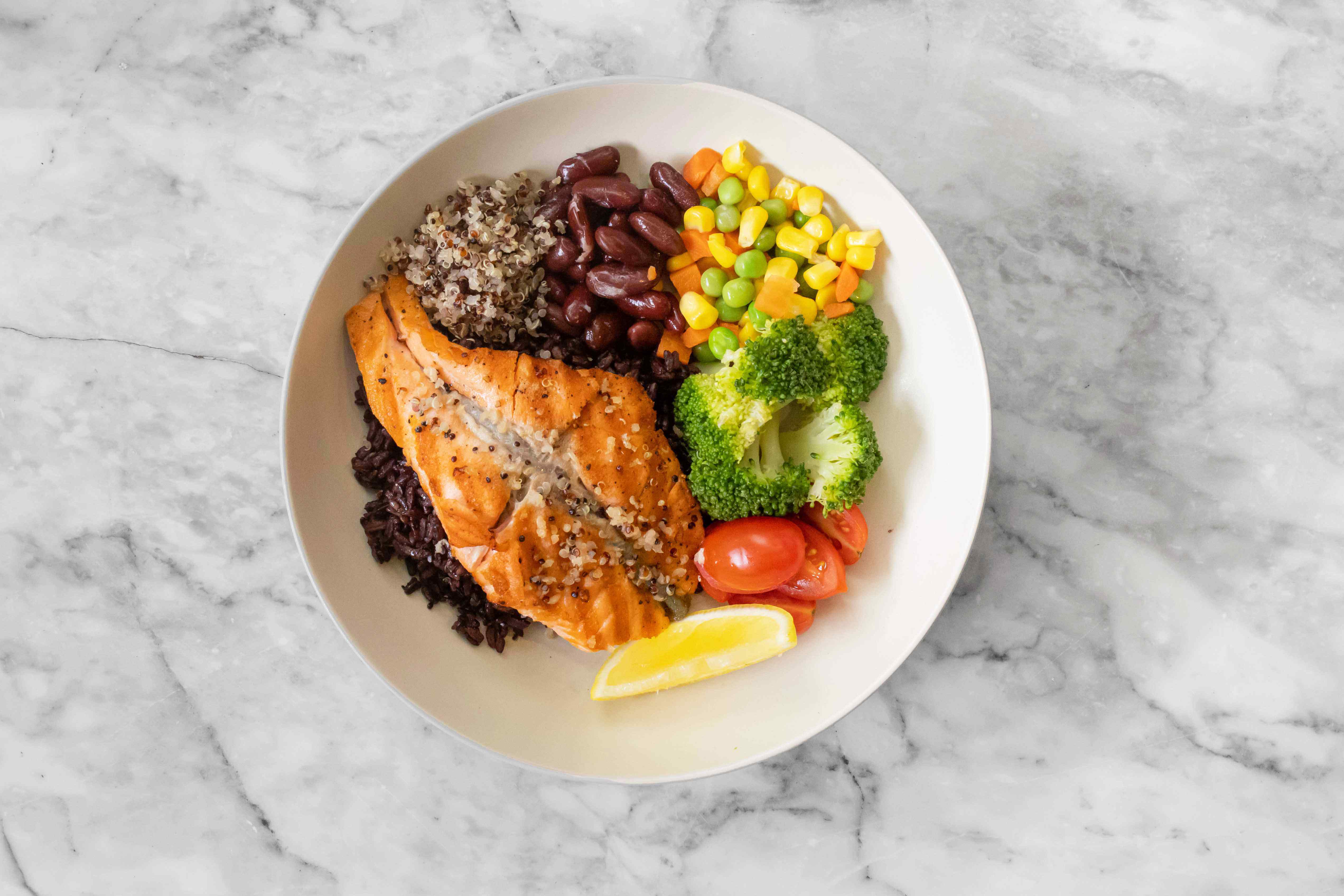
On Mounjaro, it helps to prioritize protein, cooked vegetables, fruit, high-fiber carbs, healthy fats, and fluids. Eating well doesn’t mean eating perfectly, though — slowly moving toward nutritious foods is enough to start. Here’s what to keep in mind:
Protein at Every Meal
Weight loss isn’t only fat loss — you can lose muscle mass, too. Weight training and getting enough protein help preserve lean mass, so adding enough protein to your meals and snacks is essential.
Many people do well with around 20 to 30 grams of protein per meal (your needs might be higher or lower).
But with Mounjaro, you might feel full after a few bites, making it hard to get enough protein. Some protein-dense options are:
- Tofu, edamame, or lentils
- Chicken, turkey, fish, or seafood
- Greek yogurt or cottage cheese
- Raw nuts and seeds
- Protein smoothies
- Eggs
Also, try eating your veggies and protein first, before you fill up, to get the most nutrition you can. Learn more about preventing muscle loss on GLP-1 medications.
Non-Starchy Vegetables and Fruits
Fruit and veggies have fiber (which supports digestion and regularity), along with vitamins, minerals, and antioxidants.
The catch is that your stomach empties more slowly (delayed gastric emptying) while you’re on Mounjaro. That means a massive salad or portion of raw veggies can cause bloating. Try to get more cooked veggies that are easy to digest, like roasted carrots, zucchini, spinach, green beans, or sautéed mushrooms.
For fruit, go for berries, bananas, oranges, melon, or whatever you actually enjoy. Frozen fruit counts, too. And don’t forget to add some to your yogurt or blend it into a smoothie (for example, frozen spinach gets hidden by blueberries in a fruit smoothie).
High-Fiber Carbohydrates
While the 1990s fad was low-fat, the last decade or so has been no-carbs. But you still need some. For example, your brain’s main fuel is glucose (a type of sugar) — which you can get through natural sources like fruit, vegetables, legumes, etc.
Overall, it’s the amount and type of carbohydrate that matters. While nothing needs to be completely eliminated, adding in more fiber-rich carbs that fuel your body can make a noticeable difference to your energy levels.
Think oatmeal for breakfast, lentils with lunch, a baked sweet potato with dinner, or whole-grain toast alongside your eggs.
Healthy Fats in Moderation
Olive oil, avocado, nuts, seeds, and fatty fish have healthy fats and important nutrients. You don’t need to avoid them just because you’re taking Mounjaro.
But very high-fat meals can make nausea and stomach discomfort worse for some people. If a large, creamy pasta dish or greasy takeout leaves you feeling miserable, try smaller portions.
A drizzle of olive oil, a little avocado, or a small handful of nuts can add nutrition without making your meal too heavy.
Hydration
Are you drinking less because you’re eating less? It can happen. And if you’re dealing with vomiting, diarrhea, or constipation, staying hydrated is even more important — the Mounjaro prescribing information notes that dehydration from these side effects has been linked to kidney problems.
Keep water nearby and sip throughout the day rather than trying to drink a huge amount at once. If plain water gets boring, try sparkling water, herbal tea, or water with lemon and ginger or berries.
You can also get fluids from foods like soups, melon, oranges, and yogurt.
The goal isn’t to force yourself to drink gallons of water. It’s to stay consistently hydrated, especially when your appetite and food intake have dropped.
Foods to Avoid or Limit on Mounjaro
It’s not like you’ll never eat chips, ice cream, or pizza again. The difference with Mounjaro is that when you eat greasy or heavy foods, you might feel nauseous, bloated, and uncomfortably full. You can still eat the foods you love; it’s just the amount that you can tolerate might change.
These are the foods that tend to cause the most indigestion on Mounjaro:
- Rich or creamy foods: Creamy sauces, rich cheeses, and cream-based soups.
- Greasy or fried foods: Burgers, fries, fried chicken, and other greasy meals.
- Refined carbs and added sugars: Pastries, sugary cereals, sweets, and soda offer plenty of calories but little fiber or nutrition, and they can spike blood sugar, especially if you have type 2 diabetes. You don’t need to eliminate them completely, but reducing the amount and pairing them with protein or fiber can help.
- Alcohol: Alcohol can make nausea, dehydration, and blood sugar imbalances worse. If you’re taking Mounjaro for diabetes, the risk of low blood sugar can be higher when alcohol is combined with insulin or sulfonylureas, so check with your prescriber.
In the end, it’s about paying attention to how you feel after eating rather than following a rigid list of food rules.
What About Diet Soda and Carbonated Drinks?
You don’t have to give up diet soda or sparkling water, but they can increase gas, bloating, and burping when you’re on Mounjaro. For example, you might notice your usual Diet Coke leaves you feeling like you’ve swallowed a balloon. If that happens, try switching to still water for a few days and see whether it makes a difference.
It’s about finding what feels comfortable and taking your time experimenting, not banning bubbles forever.
How to Eat to Manage Mounjaro Side Effects
Every day might feel different on Mounjaro. Some days, you can handle a meal out, and others, nausea lets you only get a few bites in. Here are some things that can help:
If Mounjaro side effects are severe, persistent, or make it difficult to eat or drink enough, contact your prescriber rather than trying to manage everything through food.
Sample Day of Eating on Mounjaro
Here’s just one example of what a day built around protein, fiber, and portion sizes for Mounjaro looks like:
Eating With Type 2 Diabetes on Mounjaro
If you’re taking Mounjaro for type 2 diabetes, you’re probably already familiar with paying attention to carbohydrates. But now that your appetite may be smaller, you might need to rethink how you spread meals throughout the day.
You don’t need to cut carbs entirely. In fact, skipping them or going long stretches without eating can make managing your blood sugar more complicated. Just try to spread your carbs across meals evenly and pair them with protein and fiber to support steadier blood sugar. For example, try toast with eggs and veggies, or cottage cheese and fruit, instead of toast with jam.
If you also take insulin or a sulfonylurea, ask your prescriber about the risk of low blood sugar (hypoglycemia) with Mounjaro.
And if everything sounds too overwhelming (or boring) and you’ve tried it all before, try working with an RD specializing in diabetes [LINK NEEDED: diabetes specialty page URL]. Their goal is to learn your lifestyle and find little ways to make meals and snacks equally delicious while not spiking your blood sugar.
How a Registered Dietitian Can Help on Mounjaro
Maybe you’re eating less but struggling to get enough protein. Or maybe nausea makes meal planning difficult, or you’re still reaching for food when stress hits, even though you’re not physically hungry.
A registered dietitian can help you:
- Find foods that are easier to tolerate.
- Set realistic protein and calorie targets.
- Protect muscle and meet nutritional needs.
- Work on stress eating and sustainable habits.
Real-world programs that include dietitian support with GLP-1 treatment report meaningfully greater weight loss than medication-only outcomes.
Top Nutrition Coaching also offers an RD + GLP-1 support option, where your RD and prescriber coordinate around your goals and symptoms. You can also message your RD between sessions, so navigating both nutrition and symptoms gets easier.
Ready to see if support will actually make a difference? See if your insurance covers a dietitian — Top Nutrition Coaching is in-network with Aetna, Anthem/BCBS, Cigna, Curative, and UnitedHealthcare, though coverage varies by plan.
FAQs
How much protein should you eat on Mounjaro?
There’s no single protein target on Mounjaro — needs depend on your health status, age, activity level, and body size. An RD can work out the calculations and help you find ways to get the protein you need — without overhauling your diet overnight. They work on small tweaks that feel easy for your lifestyle.
How many calories should you eat on Mounjaro?
There’s no universal calorie target on Mounjaro. We’re all different, and your needs will change depending on your activity level, goals, health, and more. To help reduce the “dieting” mentality (that often leads to yo-yo eating patterns), try to focus on nutrition instead of calories. What’s giving you vitamins, minerals, energy, and satisfaction?
What should you eat when you have no appetite on Mounjaro?
When you have no appetite on Mounjaro, small, nutrient-dense foods you enjoy are usually easiest to manage. Play around with simple recipes, like yogurt-based smoothies (protein powder with peanut butter and banana, or fruit and almond butter, for example). Other options for nutritious snacks are eggs, cottage cheese, soup with chicken, toast and nut butter, etc.
Can you drink alcohol on Mounjaro?
Alcohol isn’t necessarily off-limits on Mounjaro, but it can worsen nausea and dehydration and raise the risk of low blood sugar if you also take insulin or a sulfonylurea. Even without medication, alcohol can cause indigestion, headaches, and blood sugar swings, and many people notice anxiety or mood dips afterward. Talk to your prescriber about what’s safe for you.
What foods make Mounjaro side effects worse?
Greasy, fried, and high-fat foods — like typical fast food — are the most common culprits for nausea, reflux, and indigestion on Mounjaro. Large portions are also hard to enjoy since Mounjaro slows gastric emptying. Aim for smaller portions of your favorite foods so you don’t feel overly restricted.