



Find the Best GLP-1 Nutritionists and Dietitians Near Me

What gender dietitian do you prefer?
We Accept Insurance
Benefit from elite health expertise for little-to-no out of pocket cost.
BCBS
+ more

How it works

Here's what to expect before your first appointment.
01
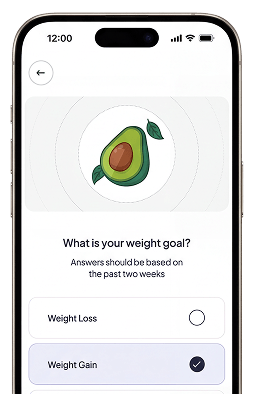
Take Our Online Assessment
Complete a short online assessment to help us understand your goals and needs.
mobile phone graphic
02
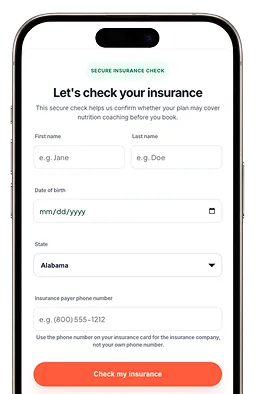
We Check Your Insurance
Enter your insurance details and we’ll instantly verify your benefits before you book your first RD appointment.
Enter your insurance details and we’ll instantly verify your dietitian benefits before you book your first appointment.
mobile phone graphic
03
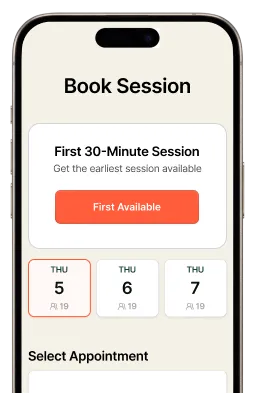
Book Your First Appointment
Book Your First Appointments
Once your coverage is confirmed, you can schedule your first appointments with your licensed prescriber and RD.
Once your coverage is confirmed, you can schedule your first RD session.
mobile phone graphic
04
Meet with Your Care Team
Meet with your RD
Schedule a virtual visit with a licensed prescriber to review if a GLP-1 prescription is right for you, and connect with an RD for personalized nutrition support.
Through virtual visits, you and your RD will determine the right plan for you — personalized around your lifestyle, health needs, and goals.
mobile phone graphic

Dietitians That Specialize in GLP-1 Support

At Top Nutrition Coaching, you will be matched with one of the top registered dietitians in the world who can help support your goals.
Jordan Hill
Registered Dietitian
4.8/5
Accepts insurance plans from:
I believe in meeting my clients where they're at, focusing on the use of education and personalized nutrition to improve habits and overall health. I am an intentional, upbeat, and encouraging practitioner truly interested in the "person" you are while seeking to help you by using creative approaches to improve your health. My motto is "food is love" and thus food should be something you look forward to and enjoy! There is a time and place for all foods and finding the appropriate balance is key to overall health and food satisfaction. Depending on what type of goals you have, we can find sustainable ways to get you there through habit building. Even the smallest of changes can make a big impact and propel you forward.
Specializes in GLP-1 Nutrition
Alexis Law
Registered Dietitian
4.8/5
Accepts insurance plans from:
I was inspired to become a dietitian because I saw food as a challenge for many people and I wanted to help others come up with solutions to daily struggles. During the pandemic, food became really tough to navigate for me between schedule changes and different routines, and I was able to find easy ways to stay on track during a difficult time rather than giving up. I look forward to the opportunity to help others do this as well.
Specializes in GLP-1 Nutrition
Celia Croxton
Registered Dietitian
5/5
Accepts insurance plans from:
Celia Croxton is a compassionate and dedicated registered dietitian with a strong background in biological and nutritional sciences. She believes that nutrition is not one-size-fits-all and takes pride in meeting patients where they are. Celia emphasizes creating balance in life, helping patients discover sustainable strategies that fit their lifestyles. Her ultimate goal is to inspire confidence and joy in making choices that nurture both body and mind.
Specializes in GLP-1 Nutrition
Miranda Hebert
Registered Dietitian
4.5/5
Accepts insurance plans from:
I bring a blend of clinical expertise and real-world experience from working with diverse populations across hospital, dialysis, community, and private practice settings. Over the years, I’ve had the privilege of counseling children, teens, and adults through every stage of life and health. I connect with my clients by meeting them where they are and tailoring guidance to fit their unique circumstances. Whether it’s managing chronic disease, restoring confidence in food choices, or building healthier eating patterns, I find joy in helping people feel their best.
Specializes in GLP-1 Nutrition
Matt Jacobs
Registered Dietitian
4.9/5
Accepts insurance plans from:
I believe in a client driven experience with guidance, support and encouragement. I utilize evidence based methods to help you make realistic changes to meet your goals. I value every client’s individual life situation and will help you to fit health and wellness in to where you are! We will work together to achieve your goals!
Specializes in GLP-1 Nutrition

Glucagon-like peptide-1 (GLP-1) medications dull hunger signals, but just because you’re eating less doesn’t necessarily mean you’re eating well, which is where GLP-1 dietitians come in. A registered dietitian nutritionist (RDN) provides counseling to people taking GLP-1s like Ozempic and Wegovy (semaglutide) or Mounjaro (tirzepatide).

With GLP-1 nutrition support, people on these weight loss medications can help preserve lean muscle, get in enough protein and micronutrients with a reduced appetite, manage common side effects, and build healthy habits for long-term weight maintenance.

It’s important to know that GLP-1 dietitians only manage the nutrition that goes with your treatment. Managing and adjusting the medication is always up to your prescriber.

What is a GLP-1 Nutritionist or Dietitian?

A GLP-1 nutritionist is a nutrition professional, ideally a registered dietitian nutritionist, who provides nutrition support for people taking GLP-1 medications like semaglutide (Ozempic, Wegovy) or tirzepatide (Mounjaro, Zepbound).

The main way GLP-1s help with weight loss is by reducing appetite and cravings. They also slow the rate at which the stomach empties after a meal, which can cause many of the common GI symptoms associated with GLP-1s.

A dietitian for GLP-1 users can help to manage these effects, along with several other effects that can be addressed with proper nutrition, eating patterns, and other lifestyle changes.

GLP-1 Nutritionist vs. GLP-1 Dietitian

The two titles are often used interchangeably, but there's a key difference in a nutritionist vs. dietitian: "nutritionist" isn't a regulated title in many states, whereas "registered dietitians" must complete accredited education and supervised clinical practice and pass a national exam.

Registered dietitians also provide medical nutrition therapy, which is treatment for nutritionally relevant diseases like type 2 diabetes, heart disease, kidney disease, and obesity. Top Nutrition Coaching connects you only with licensed registered dietitians (RDs).

How GLP-1 Dietitians Support Your Treatment

Real-world programs that include dietitian support with GLP-1 treatment report meaningfully greater weight loss than medication-only outcomes. This counseling can also help you manage side effects, making it easier to stay on the medication consistently.

Protecting Muscle and Bone on a GLP-1

When weight loss happens as quickly as it may while taking GLP-1 medications, it’s common for this weight to come from fat, muscle tissue, and even bone tissue. Pair this with the fact that a significantly lower appetite can make it challenging to meet the protein intake you need to maintain muscle mass.

Resistance training is a critical part of maintaining lean mass, and a GLP-1 nutritionist can help walk you through strategies to meet daily protein targets even with a low appetite. They can also help you get in the vitamins and minerals needed for bone health and prevent muscle loss.

Managing GLP-1 Side Effects with Nutrition

Weight loss medications like Ozempic delay gastric emptying, meaning your meals stay in your stomach for a longer period of time, thus postponing hunger. The downside to this change in digestion, however, is it often results in common side effects like nausea and acid reflux.

These medications also play a role in how the intestines release fluids and move food through the GI tract, which can result in constipation and diarrhea. Many people find these side effects easier to manage with nutrition strategies like proper hydration, balanced meals, and thoughtful meal timing.

Getting Enough Nutrients When You're Eating Less

Undereating is common among people taking GLP-1s due to changes in appetite. Vitamin B12, iron, calcium, and fiber are some of the most common nutrients of concern.

Understanding what foods contain these nutrients and how to fit them into your diet can be beneficial. Avoiding overly large or low-nutrient meals can also play a big role in ensuring you get the nutrition you need while on a GLP-1 diet.

Planning for Dose Changes or Stopping Treatment

When you go up in doses, you may experience an increase in the intensity of some side effects, so it’s helpful to have a dietitian in your corner as you progress in your GLP-1 journey and titrate up in your dosing. If you stop treatment, clinical trials show that weight regain is common. A GLP-1 dietitian can work with you to establish long-lasting, healthy eating habits.

They can also provide empowering knowledge to help you keep the weight off even when you stop treatment and your appetite returns. Just remember, while a GLP-1 dietitian can help work alongside your prescriber to give the best care, they do not play a role in changing medication.

Who Should See a GLP-1 Nutritionist?

In the clinical trials that have shown GLP-1 medications to be effective at weight loss, participants combined the medication with a reduced-calorie diet and physical activity. So, people currently on GLP-1s or considering starting them can benefit from working with a GLP-1 nutritionist.

People Starting or Adjusting a GLP-1

It varies depending on the individual, but side effects tend to be most noticeable when starting a GLP-1 medication or increasing the dose. So, understanding the proper eating habits for your individual experience makes the transition go more smoothly.

People Living with Type 2 Diabetes

If you’re taking a GLP-1 to help manage type 2 diabetes, there are diabetes nutritionists who can curate an eating plan to help you account for blood sugar control.

This eating plan can be coordinated with other medications you may be taking, including GLP-1 treatments, while collaborating with other members of your healthcare team.

People with a History of Disordered Eating

In some cases, those who have a history of disordered eating or restricting their intake can see these behaviors begin to return on GLP-1 medications. The appetite suppression caused by the drug can also mask undereating.

‍Eating disorder nutritionists can help monitor and flag for these behaviors and assist in maintaining a healthy relationship with food while also keeping food intake at an adequate and healthy level.

Frequently Asked Questions

We know this can be a tough space to navigate. Here are some of the common questions we get. If you need more help you can always reach out to us directly.
Do I need a dietitian if I'm taking a GLP-1 medication?
You do not strictly "need" a dietitian just to take a GLP-1 medication (like Ozempic, Wegovy, or Mounjaro), as the drug will suppress your appetite and lower your calorie intake on its own. Still, many people find an RD helps them get enough protein and nutrients, manage side effects, and build habits that last beyond treatment.
How much protein should I eat on a GLP-1?
When taking GLP-1 receptor agonist medications (such as semaglutide or tirzepatide), research suggests many people benefit from roughly 1.2 to 1.6 grams of protein per kilogram of body weight per day (about 0.5 to 0.7 grams per pound), though an RD can help set a target that fits you.
Can a dietitian prescribe GLP-1 medications?
No, registered dietitians cannot legally prescribe GLP-1 medications (such as semaglutide or tirzepatide).
Does insurance cover a dietitian for GLP-1 support?
Yes, health insurance often covers visits with a registered dietitian for nutrition counseling while you are on a GLP-1 medication, provided you meet specific plan requirements.
What happens to my weight and appetite if I stop taking a GLP-1?
When you stop taking a GLP-1 medication, your appetite and weight typically return toward their previous levels due to underlying biological shifts.
Should I see a GLP-1 dietitian virtually or in person?
Deciding whether to see a GLP-1 dietitian virtually or in-person depends on your schedule, side-effect management needs, and preference for hands-on tracking.

How to Choose the Right GLP-1 Nutritionist

So how do you know which nutrition professional is qualified enough to work with your GLP-1 treatment? Here’s what to look out for.
Credentials and GLP-1 Experience
A nutrition professional with a registered dietitian (RD) or registered dietitian nutritionist (RDN) credential is the first thing to look for.

These practitioners may also have specialty board certifications in obesity and weight management (CSOWM) or diabetes care (CDCES), which is a nice bonus. It’s also a plus if they regularly work with semaglutide or tirzepatide clients.
Red Flags to Watch Out For
Always be wary of providers who make sensationalized claims or offer guaranteed results, as legitimate health practitioners recognize that each individual responds differently to treatment.

Look out for people who give medication advice outside of their area of expertise or gurus who promote "natural GLP-1" supplements. Providers who encourage eating patterns that involve extreme restriction should also be avoided.

How Top Nutrition Coaching Can Help

To get started, all you need to do is fill out a short online questionnaire. This 3-minute quiz will match you with an expert dietitian to help with your unique goals and challenges.
Take the quiz!

Where to Find a GLP-1 Dietitian

Getting started with a GLP-1 dietitian can depend on whether you want to enjoy the convenience of virtual sessions or meet with an RD face to face.

Additionally, whether or not you wish to pay out of pocket or inquire about coverage by your insurance also impacts where you begin your search for resources.

Ask Your Prescriber or Insurance Provider

Your prescriber may already recommend working with a GLP-1 dietitian, but even if it doesn’t come up, it’s worth asking about. Insurance coverage for the medication and nutrition support may be separate.

However, know that many plans cover sessions with a dietitian even if they don’t cover the drug, so you can still get professional support to help manage your weight. Based on current Top Nutrition Coaching client experience, more than 90% of clients have insurance plans that provide coverage for appointments with registered dietitians; however, coverage is not guaranteed.

In-Person vs. Virtual GLP-1 Dietitians

A local dietitian can provide in-person care for those who prefer to be treated face-to-face, but GLP-1 experience can vary. Top Nutrition Coaching connects you with an available RD you can meet with virtually, and you can message your RD between sessions.


Get Started With a GLP-1 Support Dietitian Today

Dietitians with GLP-1 experience can be hard to find locally, so meeting with one through telehealth can make access much easier.

Top Nutrition Coaching offers a bundle package for RD + GLP-1 medication management with the option to switch your medication management to a licensed prescriber on the platform, if appropriate.
Ready to get started? Take our matching quiz.

Why Clients Love  
Top Nutrition Coaching’s  Registered Dietitians

“Amy was fantastic and made it clear that the goal is not to make radical changes that are hard to sustain, but to focus on balance.”
Tiffany
Warner Robins, GA
“Destiny was helpful, knowledgeable and understanding. She reviewed all options and suggestions to help me improve and meet my goals in weight loss.”
Judith
Maricopa, AZ
“This was my very first session and I was nervous, but it was great. Andrew was so nice and knowledgeable and helped me understand.”
Cynthia
Iuka, MS
“Katherine is so nice! Had a lot of good questions for me and I look forward to continuing my journey with her.”
Gray
Port Orange, FL