Top Nutrition Coaching is fully dedicated to providing its readers with transparent, accurate, and compassionate information that applies to individuals from every demographic. Our nutritionists adhere to specific guidelines when creating content to ensure that all published materials are most advantageous to our readers. Top Nutrition Coaching has a no-tolerance policy regarding plagiarism.
All materials published by Top Nutrition Coaching adhere to the criteria outlined below:
- When possible, Top Nutrition Coaching only uses primary sources. Only peer-reviewed journals and government and state sites will be used if primary sources are unavailable.
- Our team reviews every article on the Top Nutrition Coaching site on a periodic basis. Our regular review process ensures that we constantly communicate the most up-to-date information about nutrition, health, and wellness.
- All of our content will be thorough and factual but also approachable. Our goal is to help readers learn about nutrition, not to confuse them.
- All of our content is verified by nutritionists and dietitians with certifications and advanced degrees. Every article will include a registered nutritionist or dietitian’s byline.
- None of our content will include false promises or guarantees. Our number one priority is supporting our audience and their health – their needs come first.


How to Lose Weight in Your Face: Realistic Strategies That Actually Work
The science on facial fat loss: why spot reduction is a myth, what habits actually help, and when to get professional support.
You might start noticing your stomach or thighs looking smaller, but for some reason, your face has yet to catch up. It's normal, since it takes some time to notice an overall difference when you're on your weight loss journey.
Here, we'll dive into all the myths and science behind what leads to facial fat loss.
Why Your Face Stores Fat (And Why It Shows Up First)
Each body is built differently. Much like some people gain more weight in their thighs while others in their midsection, there's not much you can do about it. Genetics takes over, and from there age plays one of the biggest factors.
As you get older, collagen slows, and fat pads in your face can start to shift down, making your face look a bit fuller. Hormone shifts around menopause can also change how your body stores fat.
Living a healthy lifestyle and losing weight slowly, however, can have a big impact.
The Truth About Spot Reduction: Can You Actually Target Face Fat?
Targeted fat loss on any part of your body is a myth. Harvard Health wrote an entire article about this, pointing out that losing fat in one particular spot alone is biologically impossible.
Your body has its own process, but how quickly you lose weight can also make a difference. Fast fat loss might lead to muscle loss as well in parts (and often the glutes, since this is a big muscle group with a large fat pad).
The same goes for your face, where fast weight loss might not give your skin enough time to catch up. Loose skin is often a problem where crash diets or weight loss medications are concerned. There's even a term called "Ozempic Face," where patients on rapid weight loss drugs experience advanced facial aging.
Healthy Ways to Lose Weight in Your Face
These habits lead to overall weight loss that can eventually impact your face shape:
Focus on Overall Weight Loss First
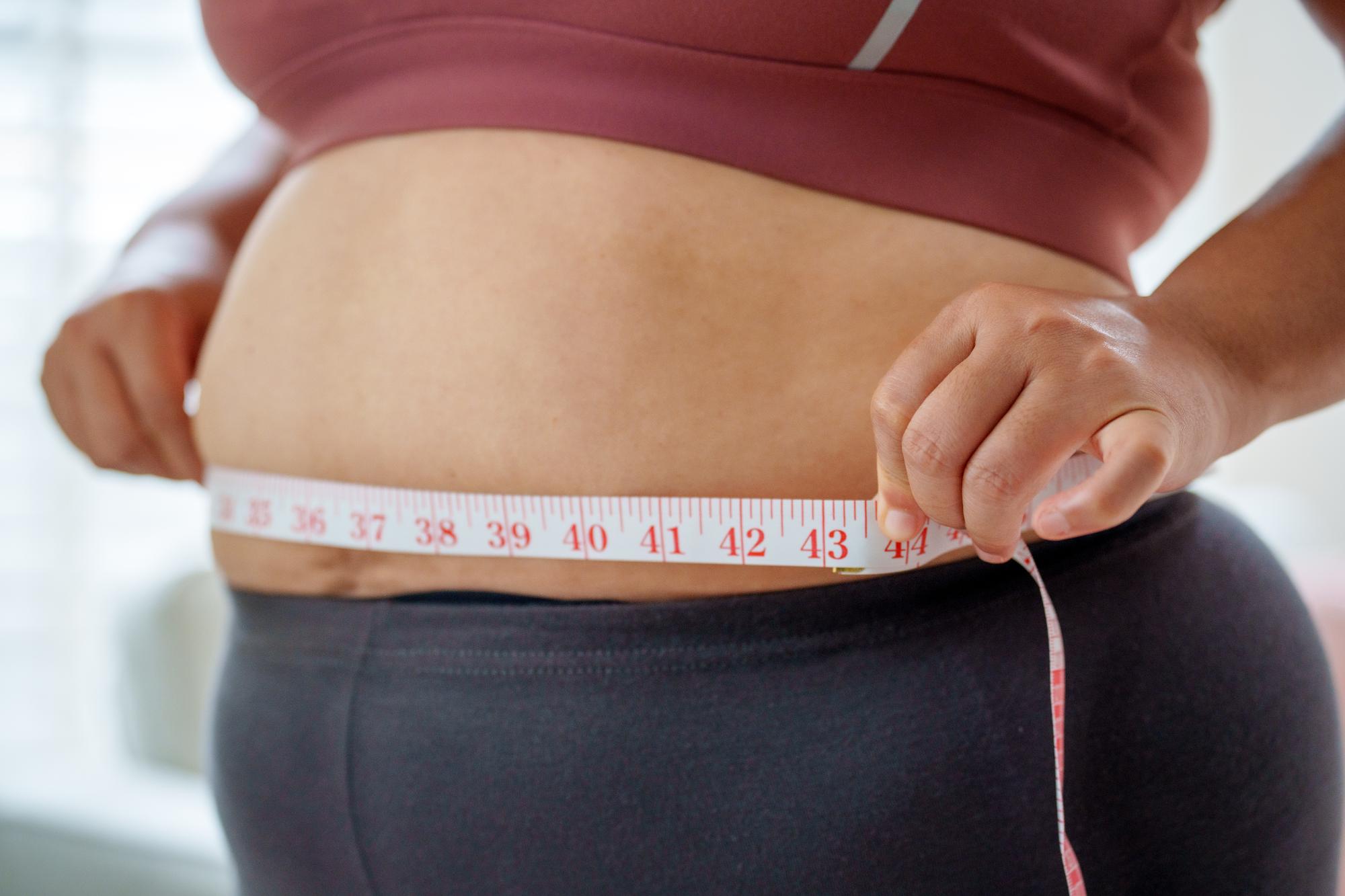
We can't target fat loss, so overall weight loss is the only way to go. It's not easy, but you can take your time with it to make sure it lasts.
Starting with one small habit at a time that slowly reduces calories overall is a great way to begin. For example:
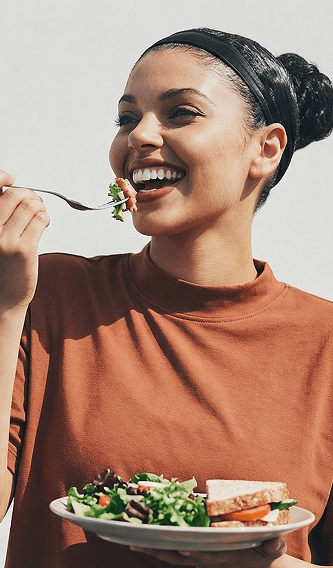
- Adding more vegetables to your meals so you feel fuller for longer
- Keep your pantry and freezer stocked with healthy options
- Drink water before snacking and meals
- Use smaller plates or bowls
Eat More Protein and Fiber
Protein fills you up and makes you feel fuller for longer. That means you're less likely to snack or overeat when you get a good amount in your diet. Aim for 25 to 35 grams per meal, depending on your height, weight, and activity level.
Fiber is similar in that it keeps you full. It works by slowing down digestion, reducing bloating, and keeping you satisfied between meals. Anywhere from 25 to 50 grams a day can work, depending on your individual needs.
Cut Back on Salt and Stay Hydrated
Too much salt makes you hold onto water, and your face is one of the places that shows up. Processed foods are a big culprit, including ready-made meals, canned soups, and salty snacks. Drinking more water can help so your body doesn't have to hoard water.
Limit Alcohol
Alcohol is famous for making your face puffy. It dehydrates you, making you retain more water as a rebound. It also makes you sleep worse, leading to more puffiness and a bigger appetite the next day. Plus, it adds plenty of non-nutritious calories.
Add Cardio and Strength Training to Your Routine
Cardio is great for helping to create that calorie deficit. The Centers for Disease Control and Prevention (CDC) recommends 150 minutes of moderate aerobic activity per week, that's 30 minutes five days a week, plus two days of strength training. If that feels like a lot, start with walking. Thirty minutes a day of brisk walking is legitimate exercise and a genuinely underrated starting point (even five minutes is a starting point).
Prioritize Quality Sleep
When you're sleep-deprived, your body produces more ghrelin (the hunger hormone) and less leptin (the fullness hormone), which translates to increased appetite and cravings, typically for high-calorie, low-nutrient foods.
That tends to mean more cravings (and stronger ones), along with bigger portions. Research shows that people who regularly get fewer than seven hours of sleep tend to consume more calories, without always realizing it.
Do Facial Exercises Really Help You Lose Weight in Your Face?
Short answer: no. They might help with muscle firmness, but they can't burn fat in your face.
Moving your muscles doesn't break down fat in the adipose tissue directly overlying them. Fat loss only comes from a systemic caloric deficit, and how much you have in your face is heavily tied to your genetics.
A few exercises if you're curious:
- Cheek puffing: fill your cheeks with air and hold, then release
- Smile holds: smile wide and hold for 10 seconds
- Chin stretches: tilt your head back and push your lower jaw forward slightly
- Jaw releases: chew an imaginary piece of gum with exaggerated movements
Just think of them as a supplement, not a replacement for a healthy lifestyle.
What to Avoid: Approaches That Don't Work or Could Harm You
Weight loss takes time, so rushing into it or spending a ton on gadgets might not have the impact you're looking for. Here's what to keep in mind:
Crash Diets and Extreme Calorie Restriction
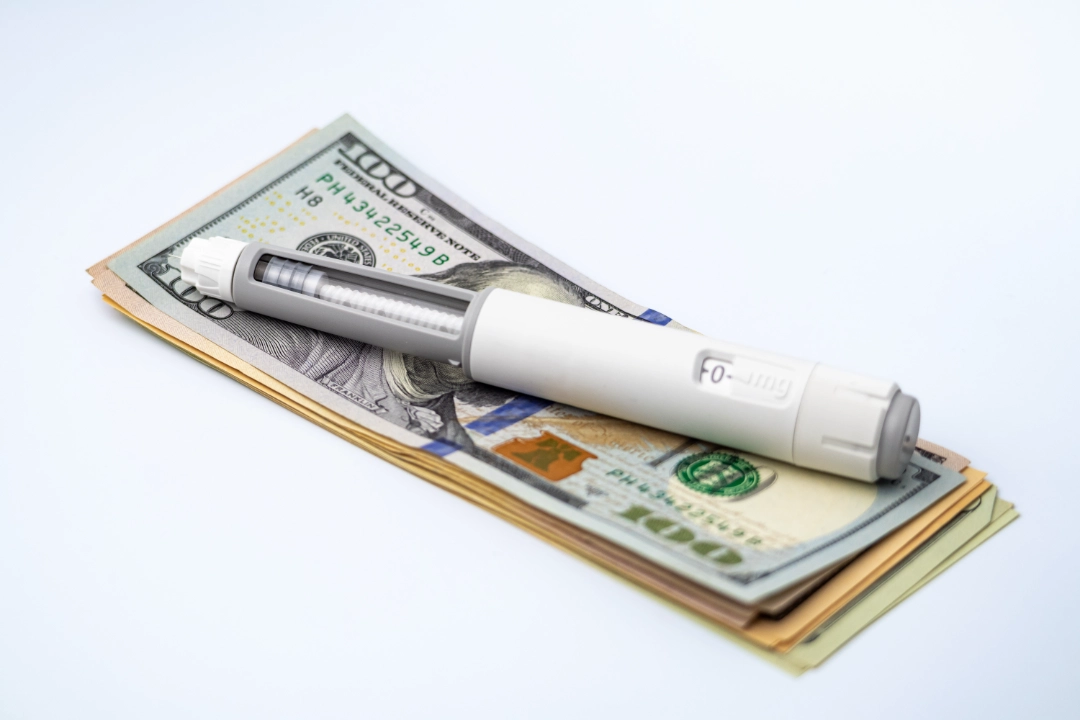
While there are now medications sometimes called "diet pills," they aren't a permanent solution and come with medical risks. Plus, fast weight loss from crash diets or medications can also make you lose both fat and muscle without giving your skin time to adapt. That can lead to loose skin and a gaunt look.
Also, medications that offer rapid weight loss only work while you're on them, and more than half of those taking a GLP-1 (glucagon-like peptide-1) medication stop within a year. On top of that, you can gain back about 60% of the weight you lost.
What's more, a new study following 9,000 adults after medication showed they regained weight nearly four times faster than those who stopped a traditional weight management program.
Unproven Gadgets and Gimmicks
While social media loves to show you amazing before-and-after pictures, the science shows they don't really help you lose weight. Cold jade rollers and gua sha might help with temporary puffiness and skin elasticity from the gentle pressure moving fluid around (but not fat loss). Creams also don't have credible evidence for facial fat loss.
When to Consider Professional Help
Weight loss is hard because our daily lives aren't designed to be healthy. Long working hours and commute times, images of highly palatable foods everywhere, plenty of time sitting, lots of stress, and little time in nature all work against us. That's why having someone on your side, to motivate you and hold you accountable, is so important.
A registered dietitian helps you design a healthier lifestyle that fits your schedule, goals, and needs. They don't just hand you a diet plan and walk away, they work with you to develop habits that stick. It's an investment in both your physical and mental health (crash diets are nothing but stress and short-term, after all).
Also, get a checkup before your first visit with a registered dietitian, if you can. You never know if thyroid issues or nutrition deficiencies might be playing a part.
The Bottom Line: Patience and Consistency Are Key
We can't control how or where we lose fat in our face, but with overall weight loss, it is possible. There's no quick fix besides a healthy lifestyle: eating well, exercising, and managing stress. Of course, if only it were that simple.
We all need support when trying to change our habits. Fortunately, research shows that having a dietitian to help you develop healthier habits improves your quality of life and helps you lose weight.
Plus, you may even be able to get these sessions covered by insurance. Check if your insurance covers a registered dietitian, and get started today.
Frequently Asked Questions
Can you lose weight in your face, or is facial fat loss impossible to target?
You can't target facial fat loss. You can still lose weight in your face, but as part of overall weight loss.
What causes a chubby or puffy face, and is it fat, bloating, or genetics?
It can be a combo of all three. Water retention from alcohol, sodium, and poor sleep is a big factor for fluctuations. However, in general, it's related to your genetics and age (looser skin can play a role).
How long does it take to see weight loss results in your face?
It's different for everyone and depends on your genetics and starting point. Many notice facial fat loss after losing around 5% to 10% of their body weight.
Do facial exercises and face yoga actually work for slimming your face?
They might help with your muscle tone over time, but they don't burn fat in your face directly.
Are face slimming tools like jade rollers, gua sha, and creams actually effective?
Cold jade rollers and gua sha might help with some temporary puffiness from the cold and the gentle pressure moving fluid around (not fat loss). Creams don't have credible evidence for facial fat loss.