Top Nutrition Coaching is fully dedicated to providing its readers with transparent, accurate, and compassionate information that applies to individuals from every demographic. Our nutritionists adhere to specific guidelines when creating content to ensure that all published materials are most advantageous to our readers. Top Nutrition Coaching has a no-tolerance policy regarding plagiarism.
All materials published by Top Nutrition Coaching adhere to the criteria outlined below:
- When possible, Top Nutrition Coaching only uses primary sources. Only peer-reviewed journals and government and state sites will be used if primary sources are unavailable.
- Our team reviews every article on the Top Nutrition Coaching site on a periodic basis. Our regular review process ensures that we constantly communicate the most up-to-date information about nutrition, health, and wellness.
- All of our content will be thorough and factual but also approachable. Our goal is to help readers learn about nutrition, not to confuse them.
- All of our content is verified by nutritionists and dietitians with certifications and advanced degrees. Every article will include a registered nutritionist or dietitian’s byline.
- None of our content will include false promises or guarantees. Our number one priority is supporting our audience and their health – their needs come first.


Gout Diet: Foods to Eat and Avoid to Lower Uric Acid
A dietitian-backed guide to the gout diet, covering which foods and drinks raise uric acid, what to eat more of, and how to build meals that help prevent flares.
Key Takeaways
- Uric acid is the driver: Gout flares happen when uric acid builds up and forms crystals in a joint, and diet is one way to help manage uric acid levels.
- Purine source matters: Meat, organ meats, and high-purine seafood are linked to higher gout risk, while purine-rich vegetables like spinach and asparagus aren't.
- Drinks count too: Beer, liquor, and drinks sweetened with high-fructose corn syrup raise uric acid, while water, coffee, and low-fat milk can fit a gout-friendly diet.
- Diet works alongside medication: Many people with gout also need urate-lowering medication from their prescriber, plus food changes they can stick with.
- Get personalized support: A registered dietitian can build a gout-friendly plan around your life — see if your insurance covers a dietitian.
You’re enjoying dinner when suddenly your big toe stages a full-blown protest. It’s swollen, red, painful, and even when you lie down, the weight of your bedsheet feels like too much. Welcome to a gout flare — it’s not fun.
If you’ve recently been diagnosed, you’ve probably been handed a long list of foods to avoid, leaving you more frustrated than before.
The good news? A gout diet isn't about a restrictive list. You don’t have to give up everything you love and survive on cabbage.
A gout diet is about learning which foods raise uric acid, which to enjoy more often, and how to build meals that support your health. Food shouldn’t feel like another source of stress (and if it is, you might want to see a dietitian who can make eating well feel easy).
Let's break down what to eat, what to limit, and how to make a gout-friendly diet work in real life.
What Is a Gout Diet?
Gout is a type of inflammatory arthritis that happens when too much uric acid builds up in your blood (a condition called hyperuricemia). It can lead to needle-like crystals forming inside a joint, which can be incredibly painful when a flare starts.
A gout diet helps you manage uric acid levels and reduce the risk of flares. That usually means limiting some high-purine foods and eating a balanced, nutritious diet. Overall, eating for gout is similar to the DASH (Dietary Approaches to Stop Hypertension) diet, which was designed to lower blood pressure.
Why Purines Matter
Purines are compounds in foods (and your body) that, when broken down, produce uric acid. Your kidneys filter uric acid out, but with gout, too much uric acid builds up, and you get crystals forming in your joints.
Luckily, you don’t need to eliminate purines entirely with gout; plenty of nutritious foods have them. It’s more about balancing high-purine foods. Beyond purines, sugary drinks sweetened with fructose (including high-fructose corn syrup) and alcohol also increase uric acid.
Best Foods for Gout
The best foods for gout are low in purines or linked to lower uric acid levels, and they also support your overall health. These include:
Low-Fat Dairy
Milk, yogurt, and kefir can all fit into a gout-friendly diet. Research has linked dairy intake — particularly low-fat milk and yogurt — with lower uric acid levels and a reduced risk of gout. Try plain Greek yogurt with berries, or a glass of low-fat milk with breakfast. Choose unsweetened options so you're not adding a big dose of sugar to the mix.
Cherries, Berries, and Other Fruits
Cherries get the spotlight for good reason: one study of 633 people with gout found that eating cherries over a two-day period was associated with a 35% lower risk of recurrent gout attacks.
Berries, oranges, apples, and other whole fruits are also good additions. They have fiber, vitamins, and carbohydrates — your body’s fuel.
Just don't confuse whole fruit with fruit juice: juice is easier to drink in large amounts and delivers a hit of sugar without the same fiber (the fiber in whole fruit helps blunt blood sugar spikes, and it’s harder to eat as much fruit as you’d drink in a glass of juice).
Vegetables, Including High-Purine Ones
You don't need to avoid spinach, asparagus, peas, or other vegetables just because they have purines. Research hasn't found that eating purine-rich vegetables increases gout risk (the link is with purines from meat and seafood). These veggies are great sources of fiber, vitamins, and minerals. So add spinach to your omelet, peas to your pasta, and asparagus to your dinner plate.
Whole Grains
Lignans are compounds found in plant foods like flaxseed and whole grains. Two in particular, matairesinol and secoisolariciresinol, were associated with a lower risk of developing gout in a 2025 study of more than 122,000 adults. It might be because they help reduce inflammation, and gout involves an inflammatory response to uric acid crystals.
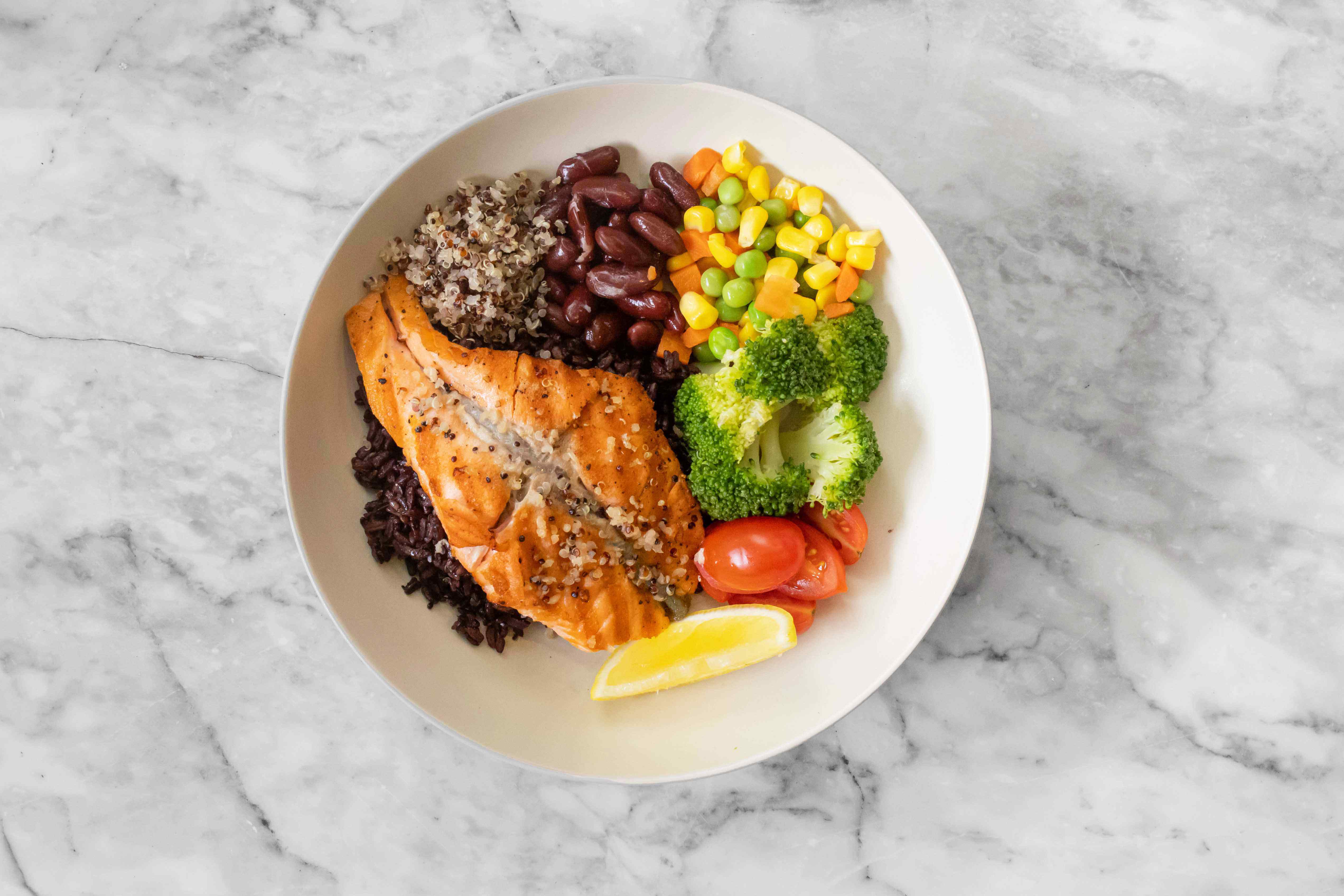
Whole grains and plants with lignans also have fiber (which helps with blood sugar and digestion) and other anti-inflammatory compounds, so they’re a part of an overall healthy diet. Oats, quinoa, and wild or brown rice can all be a part of your rotation.
Plant Proteins, Eggs, and Lean Poultry
Plant-based purines don’t have the same risk for gout as meat and seafood purines. Legumes, tofu, nuts, and eggs are all good protein options. A bit of skinless chicken or turkey here or there should also be fine — it’s about variety, portion sizes, and balance.
Foods to Limit or Avoid With Gout
Animal-based purines, fructose, and concentrated meat products are the foods most closely linked to higher uric acid and gout flares.
Organ Meats and Game Meats
Liver, kidney, sweetbreads, and game meats like venison are quite high in purines and best avoided as much as possible if you have gout.
Red Meat and Processed Meat
Beef, pork, lamb, bacon, and sausages have moderate to high amounts of purines. You don't necessarily need to give up a weekend steak, but many people find it helps to save red and processed meat for occasional, modest portions rather than everyday protein.
High-Purine Seafood
Anchovies, sardines, mackerel, herring, and some shellfish (like mussels and scallops) are high in purines. Fish still has good omega-3 fats and other nutrients, so you don't have to avoid all seafood. Try going for lower-purine options, like salmon in moderate portions.
Added Sugar and High-Fructose Corn Syrup
Fructose can increase uric acid production, so sugary drinks and foods sweetened with high-fructose corn syrup (HFCS) are worth limiting.
HFCS can show up anywhere, though, like breakfast cereals, sauces, salad dressings, and baked goods. Check ingredient labels rather than assuming something is low in sugar.
Gravies, Meat Broths, and Meat Extracts
An overlooked source of purines: concentrated meat products. Rich gravies, pan drippings, meat-based stocks, and extracts can have concentrated purines. Try vegetable stock or lighter sauces instead.
Purine Levels in Common Foods
Best and Worst Drinks for Gout
You might be eating all the right foods but still drinking something that makes gout harder to manage. Here's how common drinks compare:
Water and Hydration
Naturally, water is your best option. It helps your kidneys get rid of uric acid through urine. Sipping throughout the day to make sure you’re staying hydrated is key (unless your clinician has recommended limiting fluids).
Alcohol and Beer
Out of everything, beer and liquor have the strongest links to gout. Beer carries the most risk, partly because it has purines from brewer’s yeast. Alcohol itself also increases uric acid production and reduces your body’s ability to remove it. Wine might be a bit better for gout than beer or liquor, but it’s not risk-free. The less alcohol you have, the better.
Coffee and Tea
Coffee doesn’t seem to be a problem for gout (in fact, some research links it with a lower risk of gout). Tea, on the other hand, doesn’t have that association. Remember to keep your drinks low-sugar, and as always, check with your clinician that caffeine works for your health.
Tart Cherry Juice and Sugary Drinks
Small studies suggest tart cherry juice may help lower uric acid and gout attacks, but the evidence is still limited, and not all cherry juice is created equal. Watch out for added sugars, and keep portions modest. Juice is still juice, which means it’s higher in sugar than the fruit. Whole cherries are a great option when you can get them.
Regular soda and other sugar-sweetened drinks are worth limiting for the same reason as HFCS: fructose raises uric acid.
Sample Gout Diet Meal Plan
A gout meal plan isn’t that different from a Mediterranean diet plan, which centers on vegetables, fruit, whole grains, legumes, nuts, olive oil, and fish. Here’s what a day could look like:
Gout Diet Tips to Prevent Flares
A few habits beyond what’s on your plate can also help you manage gout:
Aim for gradual weight loss. Losing weight gradually can help lower uric acid. But crash diets and fasting can trigger gout flares by breaking fat down too fast, leading to ketones. These compounds compete with uric acid for removal by the kidneys, which can increase your uric acid levels. A weight-loss dietitian can help you find a pace that works for you.
Stay hydrated. Water helps your kidneys flush out uric acid. Otherwise, you can get dehydrated and increase your risk of crystals forming. If you have kidney disease, follow your clinician’s fluid recommendations.
Manage related health conditions. Gout tends to overlap with kidney disease, diabetes, and high blood pressure. They can all affect your uric acid regulation (and gout can increase your cardiovascular and metabolic risk). If you’ve been struggling to manage a health condition, try working with a kidney dietitian or diabetes dietitian for support and advice that fits your lifestyle.
Take medication as prescribed. Diet can help, but it usually isn't enough on its own. Stick to your prescriber’s treatment plan, and talk to them if you have any concerns.
How a Registered Dietitian Can Help You Manage Gout
If you’re managing a health condition, you’ve seen enough long lists of “foods to avoid” — you don’t need more of them.
A registered dietitian (RD) offers something different. They don’t hand you more boring and overwhelming “what not to do” lists. They talk to you and learn about your struggles, goals, and lifestyle to help you implement small changes that last. Through Top Nutrition Coaching, you can also message your RD between sessions when questions come up.
And if you have diabetes, kidney disease, or high blood pressure, an RD helps you navigate all the different nutrition needs and coordinate with your other clinicians. They'll help you make practical changes without feeling like you have to give up everything you enjoy.
You don't have to figure it all out alone. Find a registered dietitian covered by your plan who can help you build a gout-friendly eating plan that works in real life.
FAQs
Can diet alone cure gout?
No. Diet is one part of gout treatment, but it’s not everything. Changing what you eat can help lower uric acid and reduce flare triggers, but gout is also influenced by genetics and how well your kidneys clear uric acid. Many people with gout need urate-lowering medication, like allopurinol, to keep uric acid in a healthy range.
Are eggs okay to eat if you have gout?
Yes. Eggs are low in purines and a good protein choice for gout.
Is chicken bad for gout?
Not necessarily. Chicken has moderate amounts of purines, so many people with gout can eat it in balanced portions. Try small portions and rotate chicken with other proteins, like tofu and beans.
Is peanut butter good or bad for gout?
Peanut butter can be a good choice for gout since peanuts are low in purines. Look for versions made with just peanuts (and maybe salt), without added sugar or oils.
How quickly can changing your diet lower uric acid?
Diet changes usually lower uric acid gradually, over weeks to months, and the timeline is different for everyone. Urate-lowering medication has the most powerful effect — talk to your prescriber to monitor blood tests and treatment.