



You might be exhausted every time you get your period, but maybe you’re even more tired of the stereotypical advice online. Who wants to cut sugar exactly when you crave it the most? Not to mention the tediousness of seed cycling or buying expensive “detox juices.”
Then comes menopause, where you’re told to just “do more strength training” or buy every “hormone balancing” supplement marketed at you. As if hot flashes, lack of sleep, frustration, and a body that works differently are solved by one product or weights session.
Different life stages and health concerns, like polyendocrine metabolic ovarian syndrome (PMOS), fertility, and perimenopause, call for a personalized approach. While your clinician or obstetrician-gynecologist (OB-GYN) handles diagnosis and medical treatment, your dietitian supports the nutrition and lifestyle side alongside them.
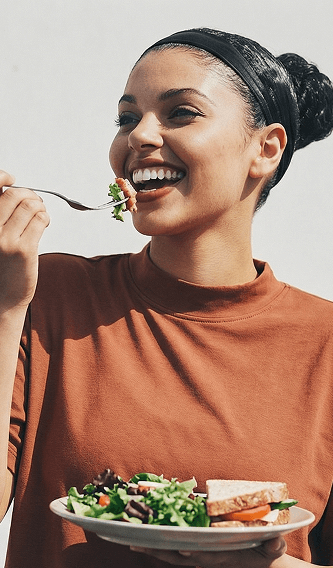
A women’s health nutritionist is a registered dietitian (RD) who specializes in nutrition support for hormonal and reproductive health through different stages of life. That can mean finding out what helps with PMOS symptoms, what sounds good when pregnancy has turned your usual lunch into a hard no, or finding satisfying meals during menopause when your body has changed the rules of what feels good.
And the rules do change. Nutrition needs shift with your menstrual cycle, pregnancy, and perimenopause. For example, people who menstruate need more iron, while building bone density early can help lower osteoporosis risk later in life.
Maybe you’ve tried to “eat healthy” but keep falling into the same cycle of yo-yo dieting and frustration. So, how do you actually make lasting changes when you’re surrounded by unhealthy, super tasty food everywhere? A supportive person with practical advice for your lifestyle can make all the difference.
“Nutritionist” and “dietitian” aren’t interchangeable terms. A registered dietitian completes an accredited education with supervised practice, then passes a national exam. Top Nutrition Coaching connects you only with licensed registered dietitians.
A nutritionist might have education in nutrition (or not), but they haven’t passed the national RD exam, so they can’t get the RD title.
When you’re looking for support with PMOS, pregnancy, menopause, or another women’s health issue, you can look for an RD with experience in your specific situation.
You can find an RD through your healthcare team or by researching locally and online. Here’s where you can start:
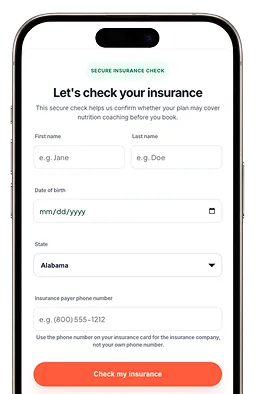
You might be able to get your dietitian visits covered by insurance — especially if a clinician refers you because of a diagnosis. Prediabetes, high cholesterol, and PMOS are just some examples of conditions for which insurance may cover a dietitian. Based on current Top Nutrition Coaching client experience, more than 90% of clients have insurance plans that provide coverage for appointments with registered dietitians; however, coverage is not guaranteed. See if your insurance covers a registered dietitian.
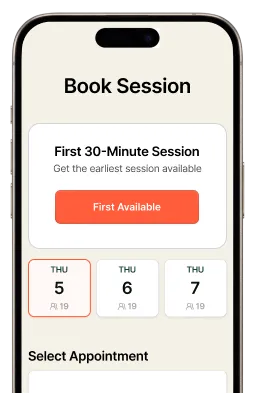
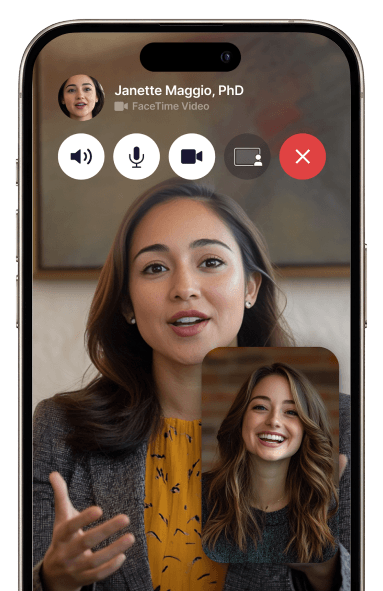
If the sense of commitment and accountability of in-person visits helps, a local practice might be the best fit. Do a bit of research to find someone with expertise in your concern, whether that’s PMOS, menopause, or pregnancy nutrition. Otherwise, online telehealth opens up more options. Top Nutrition Coaching connects you with an available RD you can meet with virtually, with visits that may be covered by insurance.
Your first session should feel like a conversation. You’re looking to get an idea of what it feels like to work with that person. Here are some ideas of questions you can ask:
You can also read Top Nutrition Coaching client reviews to get a feel for other people’s experiences.