
Find the Best Heart Health Nutritionists and Dietitians Near Me

What gender dietitian do you prefer?
We Accept Insurance
Benefit from elite health expertise for little-to-no out of pocket cost.
BCBS
+ more

How it works

Here's what to expect before your first appointment.
01
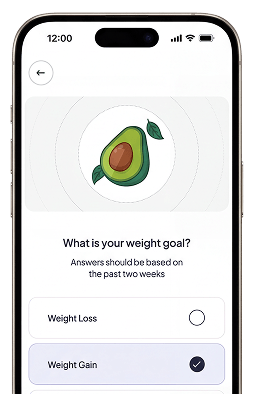
Take Our Online Assessment
Complete a short online assessment to help us understand your goals and needs.
mobile phone graphic
02
We Check Your Insurance
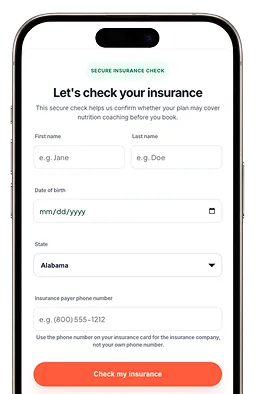
Enter your insurance details and we’ll instantly verify your benefits before you book your first RD appointment.
Enter your insurance details and we’ll instantly verify your dietitian benefits before you book your first appointment.
mobile phone graphic
03
Book Your First Appointment
Book Your First Appointments
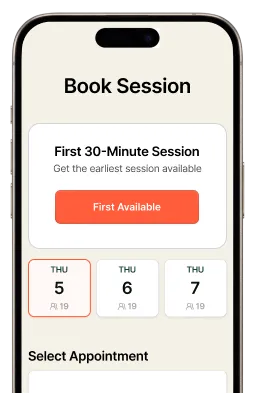
Once your coverage is confirmed, you can schedule your first appointments with your licensed prescriber and RD.
Once your coverage is confirmed, you can schedule your first RD session.
mobile phone graphic
04
Meet with Your Care Team
Meet with your RD
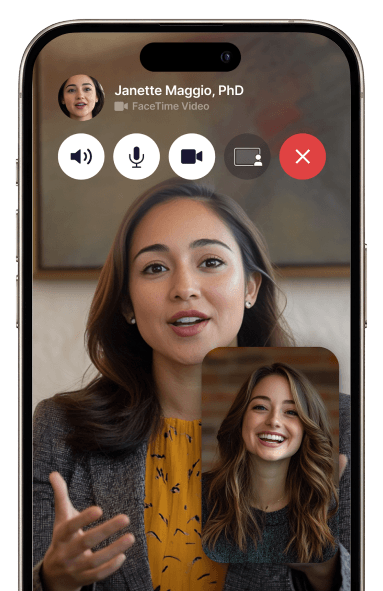
Schedule a virtual visit with a licensed prescriber to review if a GLP-1 prescription is right for you, and connect with an RD for personalized nutrition support.
Through virtual visits, you and your RD will determine the right plan for you — personalized around your lifestyle, health needs, and goals.
mobile phone graphic

Dietitians That Specialize in Heart Health Nutrition

At Top Nutrition Coaching, you will be matched with one of the top registered dietitians in the world who can help support your goals.
Lena Bakovic
Registered Dietitian
4.9/5
Accepts insurance plans from:
Not only do I have over 18 years of nutritional counseling experience, but I have over 20 years as an avid practitioner of yoga. The practice of yoga has truly been life-changing for me, and I integrate my learnings from the mat to my practice off the mat as much as possible - living in the present moment and having gratitude for my life and purpose on this planet. I have done many different things throughout my career, and all my experiences have led me to where I feel I can truly thrive and help others - the most rewarding experience of all!
Specializes in Heart Health Nutrition
Andrea Soares
Registered Dietitian
4.9/5
Accepts insurance plans from:
Having a healthy lifestyle can bring you freedom to make your own choices. I am here to help you find a balanced nutritious diet that will make you feel great and at the same time bring you joy while eating your food. We will work with your preferences and possibilities, so you’ll be in control of your elections. You will determine the pace of your progress, and I will guide you the steps to reach your goals. Your goals are my goals!
Specializes in Heart Health Nutrition
Alexis Law
Registered Dietitian
4.8/5
Accepts insurance plans from:
I was inspired to become a dietitian because I saw food as a challenge for many people and I wanted to help others come up with solutions to daily struggles. During the pandemic, food became really tough to navigate for me between schedule changes and different routines, and I was able to find easy ways to stay on track during a difficult time rather than giving up. I look forward to the opportunity to help others do this as well.
Specializes in Heart Health Nutrition
Justine Meyer
Registered Dietitian
4.5/5
Accepts insurance plans from:
A love for cooking and for talking to people about health brought me to a career as a Registered Dietitian Nutritionist (RDN). With over a decade of experience, I value helping individuals build a healthier, more positive relationship with food that aligns with their wellness goals. My academic foundation and work in healthcare have deepened my understanding of how nutritional needs evolve across life stages and in response to acute and chronic health conditions. I have provided personalized nutrition counseling in both inpatient and outpatient settings, offering nutrition interventions with the goal of enhancing quality of life. I hold the credential of Board Certified Specialist in Gerontological Nutrition (CSG), to support adults facing complex health challenges as they age. My expertise in medical nutrition therapy spans a wide range of conditions, including cardiovascular disease, kidney disease, diabetes, liver disease, digestive disorders, food intolerances, dysphagia, wound healing, nutrient deficiencies, and malnutrition. I take pride in working with adults of all ages and backgrounds, tailoring care to meet their unique nutritional needs and health concerns.
Specializes in Heart Health Nutrition
Destini Moody
Registered Dietitian
4.9/5
Accepts insurance plans from:
I know the life of an active individual is busy, so I believe in working with my clients to build a better lifestyle that is convenient for their schedule, budget and food preferences. I never impose my own morals, judgment or practices of other clients in my counseling and am committed to individualized care. Although I've worked with professional athletes, I believe everyone looking to gain muscle, lose fat or optimize their athletic performance deserves access to elite-level sports nutrition coaching. Let’s take the journey together through gradual changes and warm support to build a stronger, healthier you that will endure long after we finish meeting.
Specializes in Heart Health Nutrition

When you get a high blood pressure or cholesterol reading at the doctor’s office, the vague advice of “watch your diet,” without much direction beyond that, is often what follows. This is where a heart health dietitian can help make this advice clearer and more specific.

Heart health dietitians are registered dietitians (RDs) who are trained to teach people eating habits that support good cholesterol levels, healthy blood pressure, and overall optimal heart health.

A heart health nutritionist may also provide education on which specific foods are better for your heart and which should be eaten more sparingly if you’re watching your heart health or have a history of heart disease.

When it comes to diagnosing heart disease or prescribing medication for it, that is a role for your cardiologist or prescriber (this may be a physician, nurse practitioner, or physician assistant). However, a cardiac dietitian can work alongside these clinicians to support the nutrition piece of your treatment plan.

What Is a Heart Health Nutritionist?

A heart health nutritionist is a nutrition professional, ideally an RD, who focuses on eating patterns that support cardiovascular health. Of the many factors that affect heart health, nutrition is among the most modifiable. However, generic advice such as “just eat less fat” is often hard to translate into practice and usually isn’t enough on its own to lower heart disease risk.

Furthermore, though a heart-healthy diet plan follows many standard guidelines, individual variables such as genetics, lab values, potential medication interactions, and food preferences often call for a diet personalized by a heart health dietitian.

Heart Health Nutritionist vs. Heart Health Dietitian

In contrast to nutritionists, dietitians are credentialed by the Commission on Dietetic Registration (CDR), while “nutritionist” is not a regulated title.

Dietitians are required to earn an accredited education, complete a supervised practice program, and pass a national exam. Every provider offering nutrition counseling through Top Nutrition Coaching is an RD.

How Heart Health Dietitians Can Help

A heart health dietitian translates general heart-health guidance into a plan built around your lab results, medications, and food preferences. Here are some examples of the advice you can expect.

High Cholesterol and Triglycerides

High cholesterol is often linked to genetics and to eating too much saturated and trans fat and not enough fiber, while high triglycerides are often tied to excess added sugar and alcohol. A cholesterol dietitian can provide strategies to add more soluble fiber (from foods like oats, beans, and lentils) and heart-healthy fats like olive oil, nuts, and fatty fish to your diet.

They can also advise on how your diet can work alongside cholesterol-lowering medications like statins, though medication changes and decisions are always made by your prescriber.

High Blood Pressure

The most evidence-based dietary approach to lowering blood pressure is the DASH (Dietary Approaches to Stop Hypertension) eating plan, which focuses on lowering sodium and increasing potassium intake.

A high blood pressure dietitian can advise on how to eat in restaurants when following a DASH-style eating plan, along with what to look for on food labels and which foods to add to your diet, if needed.

Recovering After a Heart Event or Procedure

After a cardiac event like a heart attack, many people take part in cardiac rehabilitation, a supervised program that combines exercise, education, and nutrition counseling. Eating well during this period helps fuel physical activity and supports recovery.

A dietitian can also help you rebuild confidence around food and build long-term healthy eating habits that may help lower your risk of future cardiac events or procedures, such as a stent or bypass.

Related Conditions That Raise Heart Risk

There are some conditions like obesity, type 2 diabetes, and prediabetes that can increase risk of heart disease even in those without a history of it. Heart health dietitians are trained in medical nutrition therapy (MNT) and can also play a role in navigating these conditions through diet.

Who Should See a Heart Health Dietitian?

Anyone with a history of heart disease or wanting to lower their risk of developing it can benefit from constructing a diet plan with a heart health dietitian.

People with Abnormal Lab Results

When getting bloodwork, your clinician may review your LDL and HDL cholesterol, triglycerides, or hemoglobin A1c (HbA1c) to assess heart disease and diabetes risk. If these numbers are in ranges that are unhealthy, they may recommend dietary changes or suggest prescribing medication.

Regular checkups can catch out-of-range results early, and working with a cardiac dietitian may help bring these numbers into a healthier range and support overall heart health. Whether you need medication is always a decision for your prescriber.

People with a Family History or Other Risk Factors

People who smoke, drink alcohol regularly, or have sedentary jobs have a higher risk of heart disease. A heart health nutritionist can be part of the team to help you make lifestyle changes to reduce these risk factors.

Even people with relatively healthy lifestyles may still be at risk of heart disease due to genetics or family history, so working with a dietitian proactively, before heart disease develops, may be beneficial.

People on GLP-1 or Heart Medications

GLP-1 (glucagon-like peptide-1) medications are best known for weight loss, but in 2024 the FDA approved Wegovy (semaglutide) to reduce the risk of heart attack, stroke, and cardiovascular death in adults with established heart disease and obesity or overweight.

These medications can affect appetite and come with other side effects that affect the GI system. So, a dietitian can help you figure out what to eat to make your time on the GLP-1s more sustainable, help you to preserve muscle, and build habits to last after your treatment is complete.

Some heart medications require you to watch how much sodium and fluids you take in while others interact with certain foods, such as grapefruit with some statins or vitamin K-rich leafy greens with warfarin. Both of these are scenarios that a dietitian can help you to navigate comfortably.

Frequently Asked Questions

We know this can be a tough space to navigate. Here are some of the common questions we get. If you need more help you can always reach out to us directly.
What does a heart health dietitian do?
A heart health (or cardiac) dietitian is a registered dietitian nutritionist (RDN) who specializes in cardiovascular health and uses food and medical nutrition therapy to help prevent and manage heart disease alongside your medical care.
Can a dietitian help lower cholesterol?
Yes, a registered dietitian (RD) or registered dietitian nutritionist (RDN) can help lower cholesterol levels through personalized nutrition therapy, such as adding soluble fiber and swapping saturated fats for unsaturated fats.
What is the best diet for heart health?
There’s no single best diet for everyone, but the Mediterranean diet and the DASH diet have some of the strongest evidence for cardiovascular protection. The best choice is the pattern you can follow consistently.
Can diet lower blood pressure?
Yes, diet can lower blood pressure. Changing what you eat — specifically by reducing sodium and following a heart-healthy plan like DASH — may significantly lower your blood pressure numbers within a few weeks.
Does insurance cover a heart health dietitian?
Often, yes. Many health insurance plans cover visits with a heart health dietitian when the visit is billed as MNT or preventive counseling for a diagnosed heart condition or risk factors, but coverage varies by plan.
Should I see a heart health dietitian virtually or in person?
Choosing between a virtual or in-person heart health dietitian depends on your preference and needs, as both formats can support lowering cholesterol, managing blood pressure, and improving heart health. Virtual visits add convenience and access to RDs outside your area.

How to Choose the Right Heart Health Nutritionist

The right heart health nutritionist is a credentialed RD with cardiovascular experience who works alongside your care team. Here are some factors to look for as you compare options.
Credentials and Relevant Experience
Look for a nutrition professional who holds an RD or registered dietitian nutritionist (RDN) credential, which shows they’ve met national education and training standards.

You can then check how much experience they have with the DASH diet, people with high cholesterol or hypertension, and people who take heart medications like statins or diuretics.

It's also worth asking how comfortable they are supporting people in cardiac rehab and coordinating with your cardiac rehab team.
Red Flags to Watch Out For
It's best to avoid providers who push “artery-cleansing” supplements or suggest replacing your heart medication with supplements.

It is also important to steer clear of any gurus pushing extreme diets, diets that claim to replace medications, or providers implying you shouldn’t trust or listen to your cardiologist.

How Top Nutrition Coaching Can Help

To get started, all you need to do is fill out a short online questionnaire. This 3-minute quiz will match you with the right expert dietitian to help with your unique goals and challenges.
Take the quiz!

Where to Find a Heart Health Dietitian

Currently, there are a variety of ways you can connect with a heart health dietitian. You can receive care online or in-person and can pay out of pocket or check to see if your insurance can cover sessions, which many don’t realize is an option.

Ask for a Referral or Check Your Insurance

Your cardiologist may refer you to a dietitian in scenarios such as abnormal lab work or if you are recovering from a cardiac event. Even without a referral, you can still ask your physician or insurance provider whether working with a dietitian is covered.

As far as insurance coverage, benefits vary by plan and coverage is often more likely when a diagnosis such as hypertension or high cholesterol is attached to the claim.

Based on current Top Nutrition Coaching client experience, more than 90% of clients have insurance plans that provide coverage for appointments with registered dietitians; however, coverage is not guaranteed. Top Nutrition Coaching is in-network with Aetna, Anthem, BCBS, Cigna, and UnitedHealthcare.

Local Practices vs. Telehealth Networks

If you prefer in-person care given in an office, local heart health dietitians are an option, but can be difficult to find nearby in some areas.

Top Nutrition Coaching connects you with registered dietitians for online nutrition counseling, including RDs who specialize in heart health, plus between-session messaging with your RD. Many plans cover these sessions through insurance.

Questions to Ask at Your First Session

  • What are your credentials in nutrition?
  • What is your level of experience working with those with heart disease?
  • Can you work with heart health medications and/or GLP-1s?
  • Do you know how to interpret cardiac-related lab results such as a lipid panel (LDL, HDL, and triglycerides)?
  • What does ongoing support look like?

Heart-Healthy Eating Patterns a Dietitian May Recommend

The DASH diet focuses on fruits, vegetables, whole grains, low-fat dairy, healthy fats, and lean proteins to help manage blood pressure. Another common diet strategy used to manage heart health is the Mediterranean diet, which is similar to the DASH diet but places more emphasis on olive oil, seafood, nuts, and legumes.

These plant-forward diets encourage high potassium and fiber intake to manage blood pressure and cholesterol levels. A heart-healthy eating plan also involves limiting foods that are ultra-processed, high in added sugars, or high in sodium.

DASH Vs. Mediterranean Diet At a Glance
CategoryDASH DietMediterranean Diet
Primary FocusLowering blood pressureOverall cardiovascular health
EmphasizesFruits, vegetables, whole grains, low-fat dairy, lean proteins, nuts, and beansVegetables, fruits, whole grains, legumes, nuts, olive oil, and seafood
LimitsSodium (2,300 mg/day or less; 1,500 mg for more benefit), saturated fat, added sugars, and red meatRed and processed meat, added sugars, and highly processed foods
Key NutrientsPotassium, calcium, magnesium, and fiberFiber, monounsaturated fats, and omega-3 fatty acids

Sources: National Heart, Lung, and Blood Institute; American Heart Association

The best pattern to choose is the one you enjoy eating consistently and can stick with long-term. A dietitian can also help you fact-check outdated information, such as the notion that people at risk for heart disease should avoid eggs or all fats.

Connect With a Heart Health Dietitian Today

Finding a heart health dietitian that is local or close by can be tough. Luckily, virtual nutrition counseling is more accessible than most people are aware of and it can be a convenient way to receive care from anywhere while fitting more comfortably into your schedule.

Depending on your insurance coverage, you may be able to meet with a dietitian at no out-of-pocket cost. When you’re ready, check if your insurance covers a dietitian and get matched with an available RD who can help support your heart health goals.
Ready to get started? Take our matching quiz.

Why Clients Love  
Top Nutrition Coaching’s  Registered Dietitians

“Amy was fantastic and made it clear that the goal is not to make radical changes that are hard to sustain, but to focus on balance.”
Tiffany
Warner Robins, GA
“Destiny was helpful, knowledgeable and understanding. She reviewed all options and suggestions to help me improve and meet my goals in weight loss.”
Judith
Maricopa, AZ
“This was my very first session and I was nervous, but it was great. Andrew was so nice and knowledgeable and helped me understand.”
Cynthia
Iuka, MS
“Katherine is so nice! Had a lot of good questions for me and I look forward to continuing my journey with her.”
Gray
Port Orange, FL