


Find the Best Autoimmune Nutritionists and Dietitians Near Me

What gender dietitian do you prefer?
We Accept Insurance
Benefit from elite health expertise for little-to-no out of pocket cost.
BCBS
+ more

How it works

Here's what to expect before your first appointment.
01
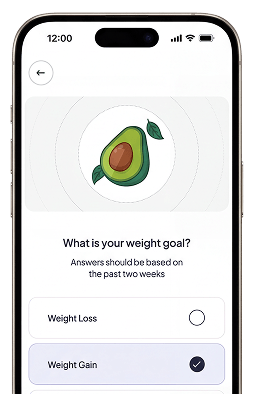
Take Our Online Assessment
Complete a short online assessment to help us understand your goals and needs.
mobile phone graphic
02
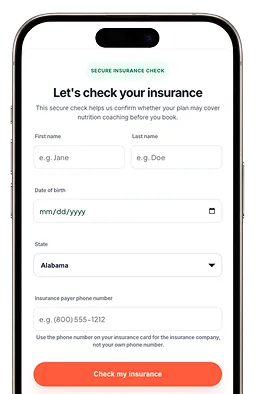
We Check Your Insurance
Enter your insurance details and we’ll instantly verify your benefits before you book your first RD appointment.
Enter your insurance details and we’ll instantly verify your dietitian benefits before you book your first appointment.
mobile phone graphic
03
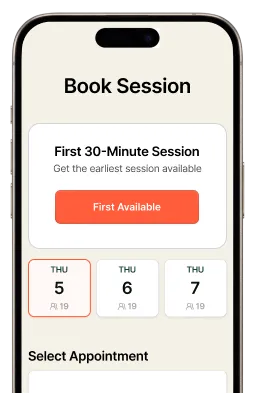
Book Your First Appointment
Book Your First Appointments
Once your coverage is confirmed, you can schedule your first appointments with your licensed prescriber and RD.
Once your coverage is confirmed, you can schedule your first RD session.
mobile phone graphic
04
Meet with Your Care Team
Meet with your RD
Schedule a virtual visit with a licensed prescriber to review if a GLP-1 prescription is right for you, and connect with an RD for personalized nutrition support.
Through virtual visits, you and your RD will determine the right plan for you — personalized around your lifestyle, health needs, and goals.
mobile phone graphic

Dietitians That Specialize in Autoimmune Nutrition

At Top Nutrition Coaching, you will be matched with one of the top registered dietitians in the world who can help support your goals.
Jordan Hill
Registered Dietitian
4.8/5
Accepts insurance plans from:
I believe in meeting my clients where they're at, focusing on the use of education and personalized nutrition to improve habits and overall health. I am an intentional, upbeat, and encouraging practitioner truly interested in the "person" you are while seeking to help you by using creative approaches to improve your health. My motto is "food is love" and thus food should be something you look forward to and enjoy! There is a time and place for all foods and finding the appropriate balance is key to overall health and food satisfaction. Depending on what type of goals you have, we can find sustainable ways to get you there through habit building. Even the smallest of changes can make a big impact and propel you forward.
Specializes in Autoimmune Nutrition
Alexis Law
Registered Dietitian
4.8/5
Accepts insurance plans from:
I was inspired to become a dietitian because I saw food as a challenge for many people and I wanted to help others come up with solutions to daily struggles. During the pandemic, food became really tough to navigate for me between schedule changes and different routines, and I was able to find easy ways to stay on track during a difficult time rather than giving up. I look forward to the opportunity to help others do this as well.
Specializes in Autoimmune Nutrition
Celia Croxton
Registered Dietitian
5/5
Accepts insurance plans from:
Celia Croxton is a compassionate and dedicated registered dietitian with a strong background in biological and nutritional sciences. She believes that nutrition is not one-size-fits-all and takes pride in meeting patients where they are. Celia emphasizes creating balance in life, helping patients discover sustainable strategies that fit their lifestyles. Her ultimate goal is to inspire confidence and joy in making choices that nurture both body and mind.
Specializes in Autoimmune Nutrition
Kimberly Gomer
Registered Dietitian
4.9/5
Accepts insurance plans from:
Hi – I’m Kimberly Gomer. I am a Dietitian (RDN) with a Master’s in Nutrition in private practice. I have over 25 years of experience coaching clients for health and wellness with a specialty in weight management, diabetes, and insulin resistance. I was the Director of Nutrition at the Pritikin Longevity Center for 10 years and left two years ago to open my private practice. I am a concierge nutritionist. I offer 24/7 coaching support through text/email, and I am very passionate about what I do. You will never be ignored or made to feel judged. I chase results and offer accountability, support, and expertise, to get my clients to their health and weight loss goals. I am highly experienced in helping clients recover from both emotional, stress, and compulsive eating and use a holistic lifestyle approach to partner with my client as their guide, where together we develop a program that is healthy and sustainable. If you google me (Kimberly Gomer) you will see some of the over 300 publications, (including podcasts, radio, and TV) - I have been quoted in as an expert in weight loss, health, and nutrition.
Specializes in Autoimmune Nutrition
Luisa Hernandez
Registered Dietitian
4.7/5
Accepts insurance plans from:
I am a bilingual Registered Dietitian with specialized expertise in intuitive eating and gastrointestinal health. I am dedicated to delivering personalized, evidence-based nutrition care that honors each client’s unique experiences, needs, and goals. Through a compassionate, client-centered approach, I help individuals cultivate a healthier relationship with food, make confident nutrition decisions, and improve their overall well-being. As a certified Pilates instructor and an enthusiastic explorer of global cuisines and cultures, I bring a holistic and culturally sensitive lens to my practice. These passions allow me to support clients in a way that integrates mind–body wellness, respects cultural food traditions, and encourages sustainable, enjoyable lifestyle habits. Expertise: -Gastrointestinal health (IBS, IBD, celiac disease, GERD, gut health support) -Management of food intolerances and sensitivities -Anti-inflammatory nutrition -Intuitive eating counseling -Mindful eating strategies -Weight-inclusive, non-diet nutrition care -Emotional eating support
Specializes in Autoimmune Nutrition

If you're living with an autoimmune disease like celiac disease, Hashimoto's thyroiditis, or Crohn's disease, food advice can feel endless and contradictory. An autoimmune dietitian can help you sort through it and build an eating plan that supports your treatment. Here's what these specialists do, which conditions they help with, and how to find one who fits your needs.

What Is an Autoimmune Nutritionist?

An autoimmune dietitian is a nutrition professional who helps people manage autoimmune diseases like celiac disease, Hashimoto's thyroiditis, and rheumatoid arthritis through food. Nutrition can't cure an autoimmune disease, but it can help you manage one.

Though there’s no one “autoimmune diet,” good nutrition can help. It plays a role in managing the inflammation that comes with most autoimmune diseases, managing medication side effects, supporting gut health, and addressing impaired nutrient absorption.

Autoimmune Nutritionist vs. Autoimmune Dietitian

As opposed to what are called nutritionists, dietitians are credentialed by the Commission on Dietetic Registration (CDR) and are authorized to provide medical nutrition therapy. Meanwhile, the title of "nutritionist" is not considered a regulated title and nutritionists aren't required to have training in medical nutrition therapy for health conditions.

Dietitians are required to earn a graduate degree from an accredited program, complete a supervised practice program, and to pass a national exam. Top Nutrition Coaching connects you with licensed registered dietitians (RDs) for online nutrition counseling.

How Autoimmune Dietitians Support Common Conditions

Though nutrition isn’t always considered a treatment to reverse autoimmune disorders, it can go a long way in helping to manage symptoms and preserve quality of life. This is where an autoimmune dietitian can be a very valuable member of your healthcare team.

Celiac Disease and Gluten-Related Conditions

Celiac disease is one condition where a dietitian is especially relevant, because one protein — gluten, found in wheat, barley, and rye — triggers an immune response that damages the small intestine.

Those with celiac disease have to follow a strict, permanent gluten-free diet as their core treatment, and foods that contain gluten are not always obvious. So, having a celiac dietitian to guide you through a nutrition plan that allows you to eat without fear can be extremely helpful.

Individuals with gluten sensitivity or other inflammatory disorders where gluten should be avoided can also benefit. Autoimmune dietitians teach people how to scan labels for potential allergens, avoid cross-contamination during meal prep, and get enough nutrients like B vitamins, iron, and fiber that many people get from fortified, gluten-containing grains.

Thyroid Conditions (Hashimoto's and Graves' Disease)

Certain minerals like iodine and selenium must be in balance for proper thyroid hormone production, regulating immune function, and reducing inflammation in conditions like Graves’ disease (an overactive thyroid gland) or Hashimoto’s thyroiditis (an underactive thyroid gland).

When dealing with hormonal diseases like these, it’s common to need to take thyroid medication like levothyroxine on an empty stomach, apart from foods and supplements such as calcium, iron, and soy that can interfere with absorption.

Though medication changes and issues should be discussed with your prescriber, a Hashimoto’s dietitian can still help with the food piece. Autoimmune dietitians can also give nutrition counseling to combat weight changes and energy fluctuations.

Inflammatory Bowel Disease (Crohn's and Ulcerative Colitis)

Inflammatory bowel disease (IBD) is an umbrella term mainly for Crohn’s disease and ulcerative colitis. Unlike celiac disease, IBD symptoms aren’t triggered by just one nutrient.

A dietitian for autoimmune disease can help advise you on what to eat during a flare, but also how to help prevent future flare-ups while in remission.

They can also help you identify and manage trigger foods without over-restricting or putting you in danger of malnutrition and deficiencies, which can occur with people who attempt to construct a diet on their own with a condition like Crohn’s disease.

Rheumatoid Arthritis, Lupus, and Psoriasis

With conditions like rheumatoid arthritis, lupus, and psoriasis, managing inflammation is paramount to symptom management and quality of life. A dietitian can help advise on anti-inflammatory eating patterns that research suggests may help lower inflammation markers.

Anti-inflammatory diets like the Mediterranean diet also promote heart health, which matters because people with autoimmune disorders tend to be at higher risk for heart disease.

Corticosteroids like prednisone, often used to treat these conditions — especially lupus — can weaken bones with long-term use, so a dietitian can help you get enough calcium and vitamin D.

Type 1 Diabetes and Multiple Sclerosis

Unlike type 2 diabetes, which mainly involves insulin resistance, type 1 diabetes is an autoimmune condition where the immune system destroys insulin-producing cells in the pancreas, so the body makes little or no insulin.

This means that type 1 diabetes requires a precise balance of nutrition through carbohydrate counting, insulin timing, and blood sugar management. These are all factors that diabetes dietitians can help you navigate with ongoing support.

For multiple sclerosis (MS), dietitians mainly help with nutrition strategies to manage fatigue. Research suggests getting enough vitamin D may be linked to lower disease activity, though more study is needed.

Those with MS are also at higher risk of developing heart disease and stroke, a risk that can be lowered with a heart-healthy diet.

Who Should See an Autoimmune Dietitian?

Anyone with an autoimmune diagnosis may benefit, and those working with their clinician to manage symptoms can seek the help of a dietitian or ask for a referral to one.

People Newly Diagnosed

A new diagnosis of a lifelong disease can be overwhelming, and the accompanying diet advice that comes with it doesn’t help with the process. A registered dietitian can help you sort through what’s relevant to your condition, what advice you can ignore, and steer you in the right direction.

People Managing Flares, Fatigue, or GI Symptoms

Various symptoms across autoimmune conditions can include: aching joints, inflamed skin, blood sugar swings, indigestion and malabsorption, low energy and fatigue, and abrupt weight changes.

‍
While these can’t be fixed through diet, some can be tied to or exacerbated by undereating and nutrient deficiencies caused by the disorders.

Multiple Conditions or Food Restriction Concerns

Data shows that more than 15 million people in the U.S. have at least one autoimmune disease, and about 34% of them have more than one, so having help managing your diet while juggling two or more conditions could be helpful.

For example, a dietitian working with someone with both celiac disease and type 1 diabetes would be in the prime position to help manage how many and what type of carbs are included in their diet.

Some may feel restricted in their diet and long-term restriction can harm your relationship with food that could lead to a fear of eating or disordered eating. A dietitian can help stabilize the balance between restriction and precision by helping you to build a diet that’s sustainable.

Frequently Asked Questions

We know this can be a tough space to navigate. Here are some of the common questions we get. If you need more help you can always reach out to us directly.
What does an autoimmune dietitian do?
An autoimmune dietitian (or registered dietitian nutritionist specializing in autoimmune disorders) helps manage chronic immune-mediated conditions through evidence-based medical nutrition therapy (MNT).
Is there a best diet for autoimmune disease?
There is no single "best" universal diet for all autoimmune diseases, because different conditions (such as rheumatoid arthritis, lupus, Hashimoto's thyroiditis, or inflammatory bowel disease) affect the body in unique ways.
Should I try the autoimmune protocol (AIP) diet?
The Autoimmune Protocol (AIP) diet may be worth considering if you have a diagnosed autoimmune condition (such as Hashimoto's disease, IBD, or rheumatoid arthritis), ongoing symptoms despite standard medical treatment, and want to identify which specific foods trigger your flares, ideally with a registered dietitian’s guidance.
Can diet reduce inflammation or autoimmune flares?
Yes, diet can help reduce systemic inflammation and manage autoimmune flare-ups, though it is a complementary tool rather than a cure for autoimmune conditions.
Does insurance cover an autoimmune dietitian?
Many health insurance plans cover an autoimmune dietitian, though coverage varies by plan. The provider generally needs to be a registered dietitian (RD) or registered dietitian nutritionist (RDN) rather than an uncredentialed "nutritionist" or "health coach".
Should I see an autoimmune dietitian virtually or in person?
Choosing between a virtual or in-person autoimmune registered dietitian (RD/RDN) depends on your symptom severity, lifestyle, and how you prefer to communicate. Both formats deliver evidence-based medical nutrition therapy, review your health history, and build personalized plans, but each has distinct advantages.

How to Choose the Right Autoimmune Nutritionist

Here are a few things to consider when you’re looking for the appropriate nutritionist to help support an eating plan that requires the personalized eating approach needed for autoimmune conditions.
Credentials and Relevant Experiencece
First and foremost, the most credible nutrition professional will hold a registered dietitian (RD) or registered dietitian nutritionist (RDN) credential. Then, check to see how extensive their experience is working with those who have the autoimmune disorder that you may be dealing with like celiac, IBD, or Hashimoto’s.

A dietitian who is equipped to treat or has experience treating these conditions won’t always be titled as an “autoimmune” dietitian, so know that matching the experience is more important than the autoimmune label.
Red Flags to Watch Out For
Any providers who promise they can reverse or cure an autoimmune disease should be staunchly avoided, as none of these conditions can be completely eliminated. You should also avoid those who encourage you to stop your medication or not to trust your doctor in favor of their treatment plan.

Approach anyone selling supplement bundles or food sensitivity tests with caution as well, along with anyone who pushes extreme diet restriction or elimination.

How Top Nutrition Coaching Can Help

To get started, all you need to do is fill out a short online questionnaire. This 3-minute quiz will match you with an expert dietitian to help with your unique goals and challenges.
Take the quiz!

Does the Autoimmune Protocol (AIP) Diet Work?

Presently, there is very limited research on the Autoimmune Protocol (AIP), including its effectiveness. It’s also very restrictive, which is why it’s best approached as a short-term, structured elimination with reintroductions that are planned under a registered dietitian’s guidance.

Where to Find an Autoimmune Dietitian

Dietitians who specialize in autoimmune disease offer both in-person and virtual options to connect with clients for counseling. There are also multiple payment options, such as paying out of pocket or checking to see if your insurance covers sessions, which many people don't realize they can do.

Ask Your Specialist, Primary Care Provider, or Insurance Provider

Clinicians who specialize in autoimmune disorders often refer to dietitians for symptom support, weight management, and other variables that can be improved with the help of nutrition.

Coverage for sessions with an RD varies by plan, and coverage is often tied to a diagnosis, such as IBD or celiac disease. Based on current Top Nutrition Coaching client experience, more than 90% of clients have insurance plans that provide coverage for appointments with registered dietitians; however, coverage is not guaranteed.

Local Practices vs. Telehealth Networks

Local dietitians for people who prefer in-person care can be difficult to find nearby, especially those with a specialty in autoimmune disease or the relevant experience you may need. Telehealth gives you access to a broader network of expertise, including the registered dietitians on Top Nutrition Coaching's platform.

Top Nutrition Coaching connects you virtually with a licensed RD, and RDs on the platform specialize in managing conditions like type 1 diabetes and ulcerative colitis. You can also message your RD between sessions, and Top Nutrition Coaching is in-network with Aetna, Anthem, BCBS, Cigna, and UnitedHealthcare, though coverage varies by plan.


Questions to Ask at Your First Session

  • What are your nutrition credentials?
  • What is your level of experience working with my condition?
  • Are you comfortable coordinating care with my primary care doctor?
  • What does support look like long-term during our work together?

Get Started with an Autoimmune Dietitian Today

Locating a local dietitian in-person that has experience in something as specialized as autoimmune disease can be hard to do, but online nutrition counseling is an option. It's easier than people think to get nutrition counseling virtually, which allows you to conveniently work with a registered dietitian from any location.

If you have health insurance, many plans cover nutrition counseling at no cost. Check if your insurance covers a dietitian, and you'll be matched with an available RD who can help support your goals.
Ready to get started? Take our matching quiz.

Why Clients Love  
Top Nutrition Coaching’s  Registered Dietitians

“Amy was fantastic and made it clear that the goal is not to make radical changes that are hard to sustain, but to focus on balance.”
Tiffany
Warner Robins, GA
“Destiny was helpful, knowledgeable and understanding. She reviewed all options and suggestions to help me improve and meet my goals in weight loss.”
Judith
Maricopa, AZ
“This was my very first session and I was nervous, but it was great. Andrew was so nice and knowledgeable and helped me understand.”
Cynthia
Iuka, MS
“Katherine is so nice! Had a lot of good questions for me and I look forward to continuing my journey with her.”
Gray
Port Orange, FL