Dietitians That Specialize in Plant-Based/Vegan Nutrition
At Top Nutrition Coaching, you will be matched with one of the top registered dietitians in the world who can help support your goals.
Libbi Calloway
Registered Dietitian
4.8/5
Accepts insurance plans from:
Meeting you where you are is my number one goal. Together we will build a plan that coincides with your day to day life without overwhelming or increasing stress. I believe in balance and including all the foods that bring you joy. We will focus on small changes that build together to make big sustainable results. I look forward to partnering with you!
Specializes in Vegan Nutrition
Miranda Hebert
Registered Dietitian
4.5/5
Accepts insurance plans from:
I bring a blend of clinical expertise and real-world experience from working with diverse populations across
hospital, dialysis, community, and private practice settings. Over the years, I’ve had the privilege of counseling
children, teens, and adults through every stage of life and health. I connect with my clients by meeting them where
they are and tailoring guidance to fit their unique circumstances. Whether it’s managing chronic disease, restoring
confidence in food choices, or building healthier eating patterns, I find joy in helping people feel their best.
Specializes in Vegan Nutrition
Celia Croxton
Registered Dietitian
5/5
Accepts insurance plans from:
Celia Croxton is a compassionate and dedicated registered dietitian with a strong background in biological and nutritional sciences. She believes that nutrition is not one-size-fits-all and takes pride in meeting patients where they are. Celia emphasizes creating balance in life, helping patients discover sustainable strategies that fit their lifestyles. Her ultimate goal is to inspire confidence and joy in making choices that nurture both body and mind.
Specializes in Vegan Nutrition
Justine Meyer
Registered Dietitian
4.5/5
Accepts insurance plans from:
A love for cooking and for talking to people about health brought me to a career as a Registered Dietitian Nutritionist (RDN). With over a decade of experience, I value helping individuals build a healthier, more positive relationship with food that aligns with their wellness goals. My academic foundation and work in healthcare have deepened my understanding of how nutritional needs evolve across life stages and in response to acute and chronic health conditions. I have provided personalized nutrition counseling in both inpatient and outpatient settings, offering nutrition interventions with the goal of enhancing quality of life. I hold the credential of Board Certified Specialist in Gerontological Nutrition (CSG), to support adults facing complex health challenges as they age. My expertise in medical nutrition therapy spans a wide range of conditions, including cardiovascular disease, kidney disease, diabetes, liver disease, digestive disorders, food intolerances, dysphagia, wound healing, nutrient deficiencies, and malnutrition. I take pride in working with adults of all ages and backgrounds, tailoring care to meet their unique nutritional needs and health concerns.
Specializes in Vegan Nutrition
Rosa Becerra
Registered Dietitian
4.9/5
Accepts insurance plans from:
Personally, I was put on a very restricted diet by my doctor at the age of 14 years old, and my mother sought out the help of a dietitian because I was miserable. This dietitian inspired me to want to help other people be empowered by nutrition, feel at ease, and make long-lasting health improvements on their own terms.
We know this can be a tough space to navigate. Here are some of the common questions we get. If you need more help you can always reach out to us directly.
What does a vegan nutritionist actually do that a general nutritionist doesn't?
A general nutritionist provides guidance built around a conventional omnivore diet. A vegan nutritionist has specialized training in the specific nutritional landscape of plant-based eating, including which nutrients are harder to obtain without animal products, how to combine plant proteins effectively, how to interpret lab work in the context of a vegan diet, and how to build a plan that is both nutritionally complete and practical for real life. The difference matters most when something is not working and you need someone who understands vegan nutrition deeply enough to troubleshoot it.
What nutrients are vegans most commonly deficient in, and how serious is it?
Vitamin B12 is the most critical, as it is found almost exclusively in animal products and deficiency can cause irreversible neurological damage over time. Vitamin D, omega-3 fatty acids (specifically EPA and DHA), iron, zinc, calcium, and iodine are also commonly insufficient in vegan diets. The seriousness depends on how long a deficiency has been present and how severe it is. A vegan nutritionist can review your diet and recent lab work to identify what is actually insufficient for you, rather than applying a generic supplement list.
Can a vegan nutritionist help if I'm just starting to transition or considering going vegan?
Yes, and this is one of the most valuable points to seek support. The transition period is when most people make mistakes, develop deficiencies, or abandon the diet because they do not feel well and cannot figure out why. A vegan nutritionist can help you build the right foundation from day one, preventing the trial-and-error process that causes many people to give up or compromise their health unnecessarily during the transition.
Does Top Nutrition Coaching accept insurance for plant-based/vegan nutrition counseling?
Yes. Top Nutrition Coaching works with major insurance providers including Aetna, Blue Cross Blue Shield, Cigna, UnitedHealthcare, and Anthem. When nutrition counseling is related to a diagnosed condition or is deemed medically necessary, it is frequently covered. The matching quiz includes an insurance verification step so you understand your coverage before your first appointment. Many clients pay little to nothing out of pocket.
How does the matching process work?
You complete a short quiz covering your health history, dietary goals, lifestyle, and specific concerns. Then, Top Nutrition Coaching matches you with a registered dietitian who can support your goals. Every nutritionist in the network is a vetted registered dietitian, so you do not need to verify credentials independently.
Are sessions virtual, and how does scheduling work?
All appointments at Top Nutrition Coaching are conducted virtually via telehealth. You meet with your nutritionist from home without needing to travel, and you are not limited to vegan-specialist providers in your immediate area. Sessions are flexible and can typically be scheduled around your work and personal commitments, including evenings and weekends.
How Top Nutrition Coaching Can Help
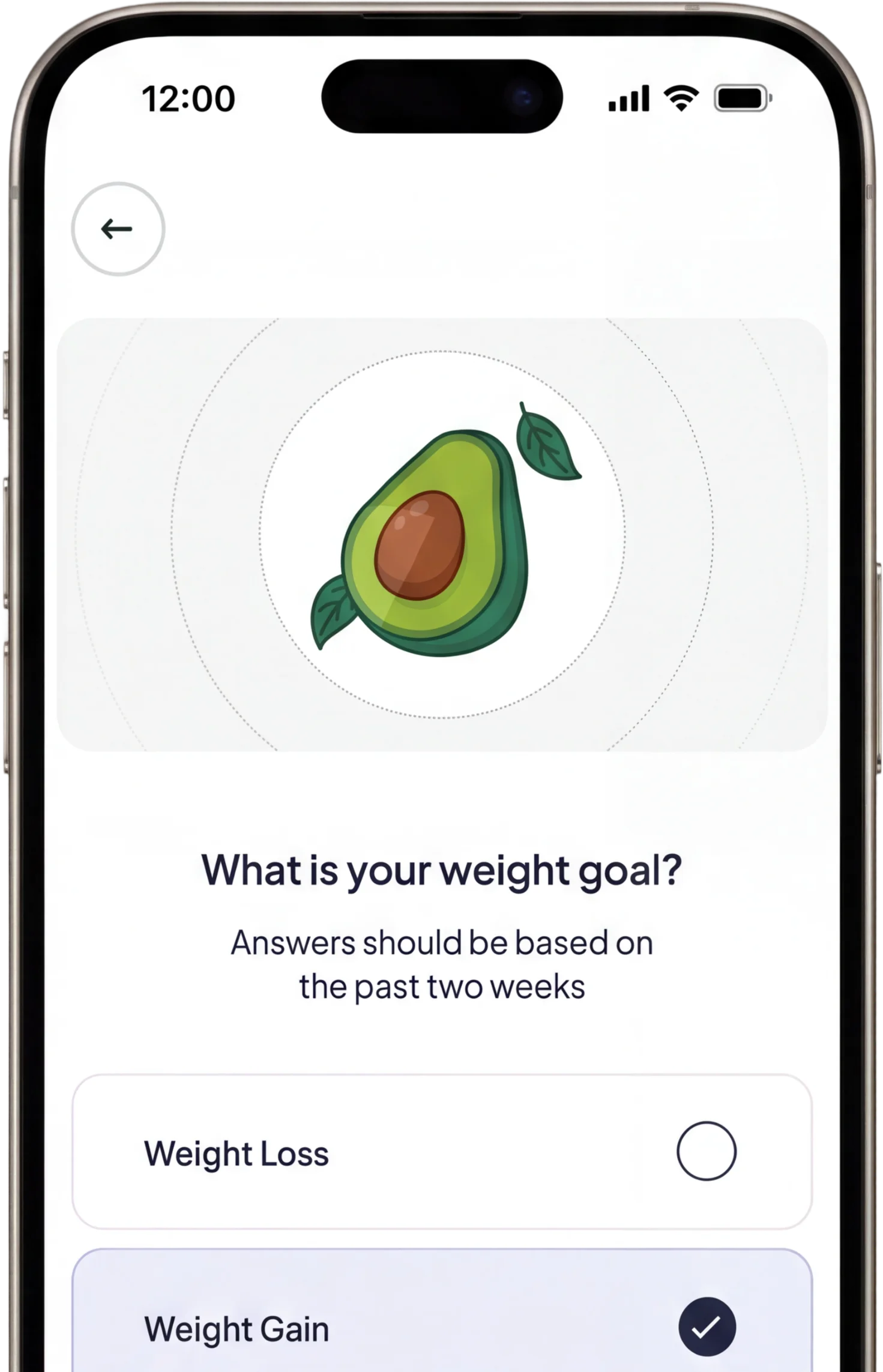
To get started, all you need to do is fill out a short online questionnaire. This 3-minute quiz will match you with the right expert dietitian to help with your unique goals and challenges.
Plant-based eating done right is powerful. Done without guidance, it can leave real nutritional gaps that quietly affect your energy, mood, and long-term health. A vegan dietitian at Top Nutrition Coaching will make sure your diet is actually working for you — not just checking the ethical box. Take our matching quiz to get started.













.png)