Top Nutrition Coaching is fully dedicated to providing its readers with transparent, accurate, and compassionate information that applies to individuals from every demographic. Our nutritionists adhere to specific guidelines when creating content to ensure that all published materials are most advantageous to our readers. Top Nutrition Coaching has a no-tolerance policy regarding plagiarism.
All materials published by Top Nutrition Coaching adhere to the criteria outlined below:
- When possible, Top Nutrition Coaching only uses primary sources. Only peer-reviewed journals and government and state sites will be used if primary sources are unavailable.
- Our team reviews every article on the Top Nutrition Coaching site on a periodic basis. Our regular review process ensures that we constantly communicate the most up-to-date information about nutrition, health, and wellness.
- All of our content will be thorough and factual but also approachable. Our goal is to help readers learn about nutrition, not to confuse them.
- All of our content is verified by nutritionists and dietitians with certifications and advanced degrees. Every article will include a registered nutritionist or dietitian’s byline.
- None of our content will include false promises or guarantees. Our number one priority is supporting our audience and their health – their needs come first.


5 Best Supplements for Bloating, Ranked by a Dietitian
At Top Nutrition Coaching, we only recommend brands we trust, all of which are selected and reviewed by our dietitians. We may receive compensation for this content, which was created in partnership with Live it Up.
For many people, occasional abdominal bloating is a fact of life. According to a recent study, nearly 14% of Americans experienced bloating in the past week. Bloating can affect people of all ages and backgrounds, though it’s more commonly reported by women.
As a registered dietitian who has helped many clients with gastrointestinal issues, I’ve sought to understand the causes of bloating and the best ways to avoid it through diet and lifestyle changes.
I’ve also spent a significant amount of time researching and comparing the best supplements for bloating discomfort. In this article, I’ll share my recommendations for gut-friendly supplements to complement your diet and support healthy digestion.
2026 Bloating Supplement Winners
While there are dozens of supplements on the market designed to help alleviate bloating, I selected my top recommendations based on factors like ingredients, quality, price, taste, availability, and, of course, effectiveness.
.png)
What Causes Bloating?
Mild bloating is a normal side effect of digestion, caused by the buildup of air in the intestines as food is broken down and nutrients are absorbed.
Although frequent or severe bloating could be a symptom of a gastrointestinal problem that requires medical attention, occasional bloating is often caused by eating habits. It’s also common to feel bloated during your period or if you have an intolerance or sensitivity to certain foods, such as dairy products.
The Best Supplements for Bloating Discomfort: Our Top Picks
Fortunately, there are many steps you can take to help prevent bloating. Dietary supplements can be a useful way to deal with the effects of mild bloating, especially when they contain probiotics, prebiotics, digestive enzymes, and fiber.
The supplements on this list were chosen for their broad appeal, with a focus on affordable yet high-quality products made with scientifically backed, gut-friendly ingredients. Let’s get started!
1. Live it Up Super Greens
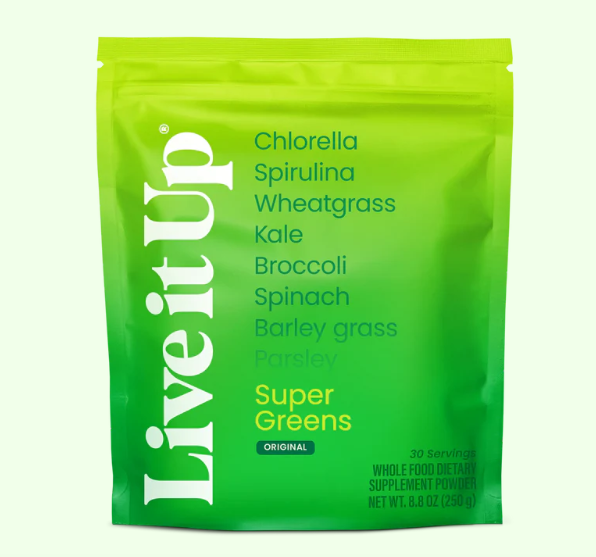
Price per day, with subscription: $1.33 (one scoop)
Live it Up specializes in superfood powders that support various areas of health and wellness. Their best-known product is Super Greens, an all-natural greens powder made with 16 certified organic superfoods, along with probiotics, enzymes, and fiber, which many people use daily to keep their digestion on track.
Live it Up Positives
- Made with organic vegetables (equivalent to 3 cups per serving)
- 5 billion CFU of dairy-free probiotics (Bifidobacterium and Lactobacillus)
- Three digestive enzymes to promote nutrient absorption
- Contains barley grass and oat grass, which are rich in prebiotic fibers
- Has ginger root and peppermint leaf, which have been linked to healthy digestion
- No artificial sweeteners, flavors, colors, or fillers
- 3g of dietary fiber per serving
- Free shipping on all orders and a money-back guarantee
Live it Up Drawbacks
- Only available online
- Powder can be somewhat messy
- More time-consuming to take than a pill or capsule
Potential Benefits
For individuals looking to support their daily nutrition, Live it Up Super Greens provides a wide array of nutrient-dense superfoods, probiotics, enzymes, and fiber. Besides helping to fill dietary gaps, this comprehensive greens powder offers support for digestion (including bloating and regularity), immunity, and normal energy levels.
Quality
Live it Up supplements are made in the USA in GMP-certified facilities and undergo third-party testing for quality and safety. They are always vegan and made without GMOs, dairy, soy, and nuts.
Ingredients
- 16 organic superfoods, including spinach, kale, broccoli, chlorella, spirulina, wheatgrass, alfalfa leaf, dandelion, kelp, nopal cactus, ginger root, and peppermint leaf
- 5 billion CFU of dairy-free probiotics: Lactobacillus acidophilus, Lactobacillus casei, Bifidobacterium bifidum, Bifidobacterium lactis
- Digestive enzyme complex: Papain, bromelain, and a protease blend
Taste & Convenience
Live it Up Super Greens is naturally sweetened with monk fruit extract and is available in two flavors, the lightly minty Original and the slightly tart Wild Berries, which customers say tastes like a fruit tea. One scoop of powder blends easily with water, juice, and smoothies with very little clumping.
Our Verdict
With sizeable doses of ingredients known for their importance in healthy digestion (i.e., probiotics, fiber, and enzymes), Live it Up Super Greens combines balanced gut health support with the impressive nutritional benefits of powdered green superfoods, all in a tasty, easy-to-drink beverage.
Nutrition Fact: The leafy greens and other nutrient-dense ingredients in green powders can be a helpful addition to your usual dietary intake, especially if you don’t always have time to source whole fruits and vegetables and prepare meals from scratch.
2. Physician’s Choice Bloat + Gas Probiotic
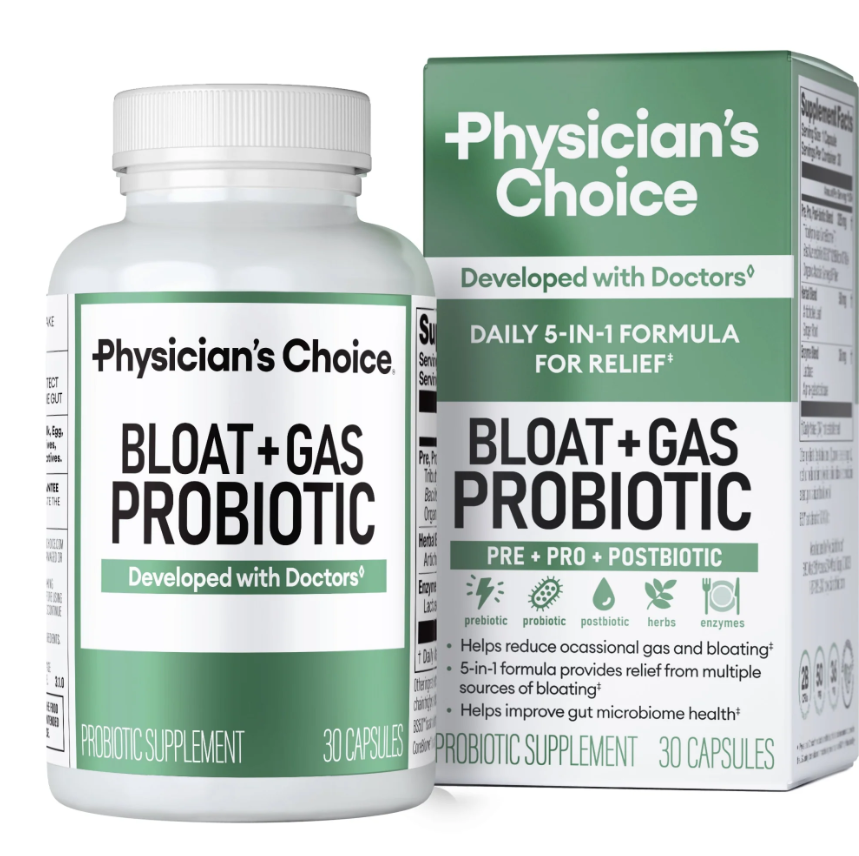
Price per day, with subscription: $1.33 (one capsule)
With a particular focus on probiotics, Physician’s Choice is a well-known name in the supplements industry. Bloat + Gas is just one of many Physician’s Choice probiotic capsules, which target areas such as digestion, immunity, vaginal wellness, and weight management.
Physician’s Choice Positives
- The probiotic strain Bacillus subtilis has been thoroughly studied for its positive effects on GI health
- Acid-resistant capsule helps probiotics reach the gut intact
- Contains prebiotics to “feed” good bacteria
- Tributyrin, a liquid postbiotic, may help with gut lining health
- Two types of digestive enzymes could make it easier to break down dairy and carbs
- Includes artichoke leaf and ginger root for digestive comfort
- Once-daily capsule is tasteless, odorless, and easy to swallow
Physician’s Choice Drawbacks
- Only one probiotic strain and a relatively low dose (2 billion CFU)
- Not a measurable source of dietary fiber
- Potential benefits of postbiotics are not yet fully understood
- Contains silicon dioxide despite the need for more research on its impact on gut health
- More expensive than many other probiotic capsules
Potential Benefits
Physician’s Choice Bloat + Gas capsules aim to tackle several causes of gas and bloating discomfort. The supplement contains prebiotics and probiotics to colonize the microbiome with beneficial bacteria and digestive enzymes to help break down carbohydrates and dairy. It also features postbiotics to support a healthy gut lining,
Quality
Physician’s Choice supplements are manufactured in the USA and undergo third-party testing. They are free from major allergens, GMOs, artificial colors, sweeteners, and preservatives.
Ingredients
- Pre, Pro, and Post-biotic Blend: Organic acacia fiber, Bacillus subtilis (2 billion CFU), and tributyrin (CoreBiome)
- Herbal blend (artichoke leaf, ginger root)
- Enzyme blend (lactase, alpha-galactosidase)
Taste & Convenience
Physician’s Choice Bloat + Gas Probiotic is delivered in capsule form, with a recommended dose of one daily. Most customers say that the vegetable-based capsules are reasonably sized and easy to swallow, without a noticeable smell or aftertaste.
Our Verdict
For general bloating support, Physician’s Choice Bloat + Gas Probiotic provides multiple ingredients associated with proper digestion and a healthy microbiome. Though it lacks dietary fiber and has a relatively low CFU, it’s a good way to support your GI tract with probiotics, prebiotics, postbiotics, digestive enzymes, and gut-friendly herbs.
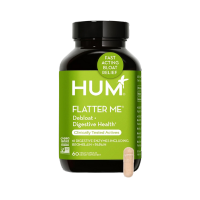
3. HUM Flatter Me
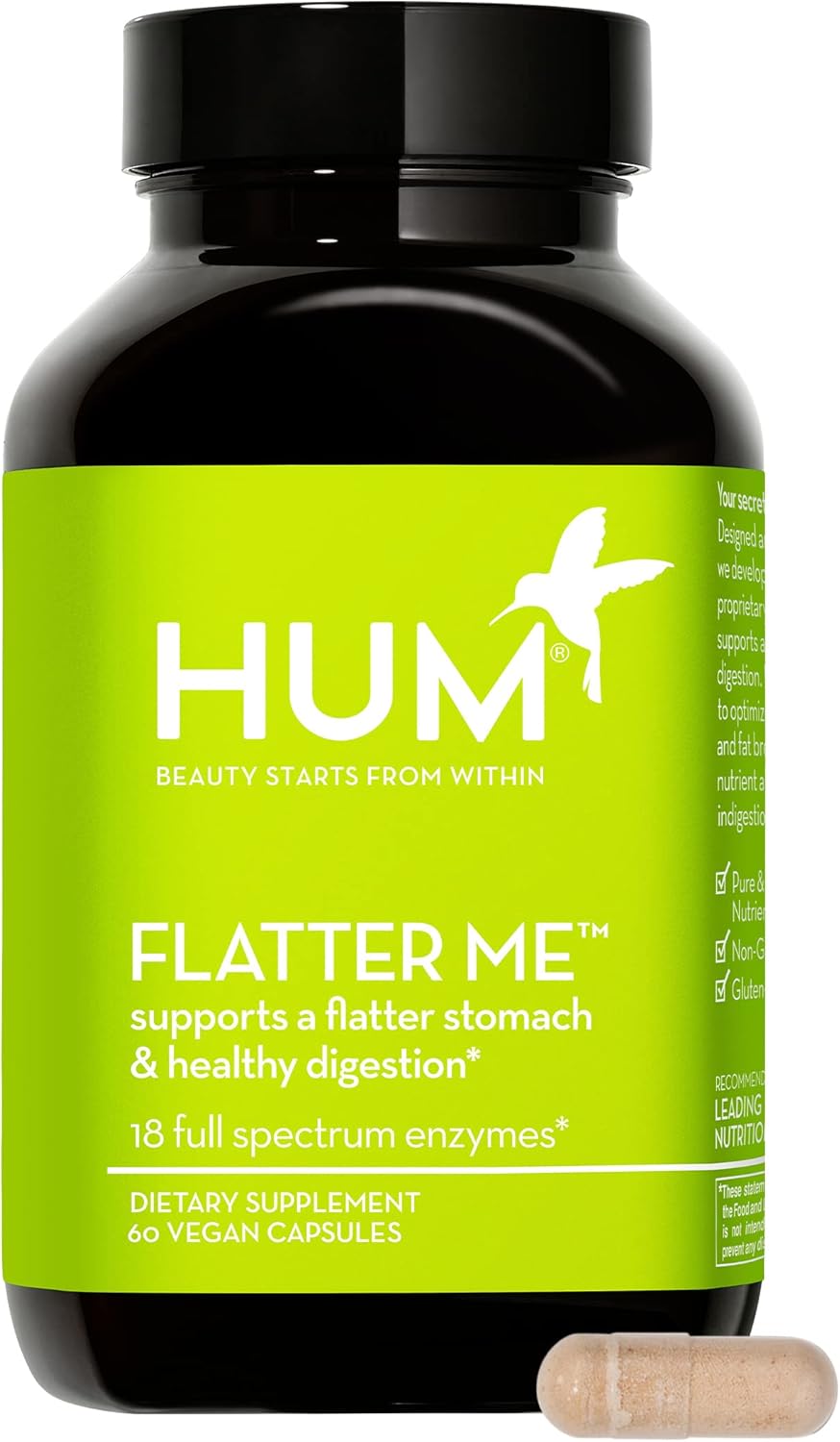
Price per day, with subscription: $0.72 (two capsules)
Primarily marketed to women, HUM offers a wide range of cleverly-named wellness products. In addition to Flatter Me, HUM’s gut health supplements include a green detox formula, apple cider vinegar gummies, and celery juice fiber gummies.
HUM Positives
- 18 different enzymes for breaking down proteins, fats, carbs, fiber, and milk sugar
- Very few “extra” ingredients (only vegetable capsule and rice bran)
- Entirely plant-based
- Features three herbs known to support healthy digestion
- No titanium dioxide
- “Extra Strength” version available with higher enzyme content
HUM Drawbacks
- Doesn’t contain prebiotics, probiotics, or dietary fiber
- The only clinical testing of its effectiveness was conducted by the manufacturer
- $5.95 shipping fee on all U.S. orders under $50 (even subscriptions)
- Delivery can take up to 10 business days
Potential Benefits
HUM Flatter Me focuses on the visible symptoms of bloating, promising less protruding stomach muscles in as little as 30 minutes. The supplement aims to provide enough digestive enzymes to break down various foods and optimize nutrient absorption, along with three herbs to promote digestive comfort.
Quality
HUM Flatter Me boasts numerous certifications, including Non-GMO Project Verified and Clean Label Project Certified. According to the manufacturer, the capsules are third-party tested and free from all major allergens.
Ingredients
- 18 enzymes: Protease, peptidase, bromelain, papain, lipase, amylase, alpha-galactosidase, cellulose, beta-glucanase, and lactase
- Ginger root, fennel seed, and peppermint leaf powders
Taste
Most customers report that it’s fairly easy to swallow HUM Flatter Me capsules, especially with a large glass of water. Some say that the capsules leave an herbal aftertaste, most noticeably fennel.
Our Verdict
Even without prebiotics or probiotics, HUM Flatter Me could be a helpful option for individuals experiencing bloating after eating certain foods, thanks to its wide spectrum of digestive enzymes and herbal extracts. And while there’s some disagreement among customers about its effectiveness, HUM Flatter Me undoubtedly has one of the cleanest ingredient lists we’ve come across.
4. Primal Harvest Primal Greens
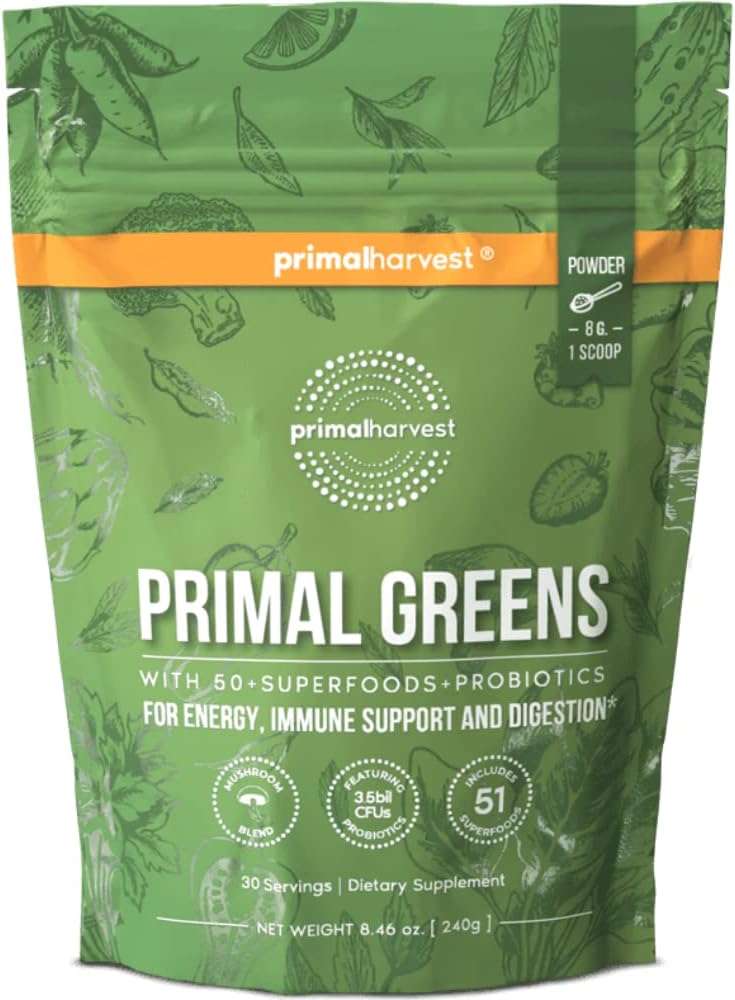
Price per day, with subscription: $1.37 (one scoop)
Since launching in 2017, Primal Harvest has been developing supplements based on “natural, science-backed solutions” to support all aspects of wellness. The company’s range includes products for joint and bone health, hair growth, hydration, vision support, stress relief, and immune defense, alongside their popular greens powder, Primal Greens.
Primal Greens Positives
- Made with leafy greens, fruits, vegetables, mushrooms, and herbs
- Good source of zinc and Vitamins C, E, and B12
- Provides a decent amount of dietary fiber (2.5 g)
- Two sources of prebiotics and five enzymes
- Gut-friendly herbs, including ginger root and turmeric root
Primal Greens Drawbacks
- Ingredients are not organic
- The extremely fine powder can be hard to mix
- Low CFU of probiotics from only one strain
- With so many superfood ingredients, they may not all be included in effective doses
Potential Benefits
Primal Greens aims to provide powdered superfoods and micronutrients to supplement a typical diet, with a focus on immunity, digestion, and energy production. Many of the ingredients could help with bloating discomfort, including dietary fiber, probiotics, prebiotics, digestive enzymes, and herbs such as turmeric root and ginger root.
Quality
Primal Greens is made in the USA in GMP-certified facilities and is third-party tested. The formula does not contain gluten, soy, dairy, or sugars.
Ingredients
- 50+ superfoods, including nutrient-dense greens and antioxidant-rich fruits
- Mushrooms, adaptogens, herbs, and extracts
- 1 billion CFU of probiotics (B. subtilis)
- Prebiotics: Apple fiber and chicory root
- Digestive enzymes: Fungal amylase, fungal protease, lipase, and cellulase
- Sweetened with enzyme-treated stevia extract
Taste & Convenience
Although most customers approve of the ingredient list and appreciate the potential health benefits, many struggle with the taste of Primal Greens, frequently commenting that it’s too grassy to drink with plain water.
Our Verdict
Though the taste leaves something to be desired, Primal Greens is full of digestion-supporting ingredients that could help with occasional bloating, in addition to providing essential micronutrients for immune resilience and normal energy levels.
5. BelliWelli Daily Fiber + Probiotics
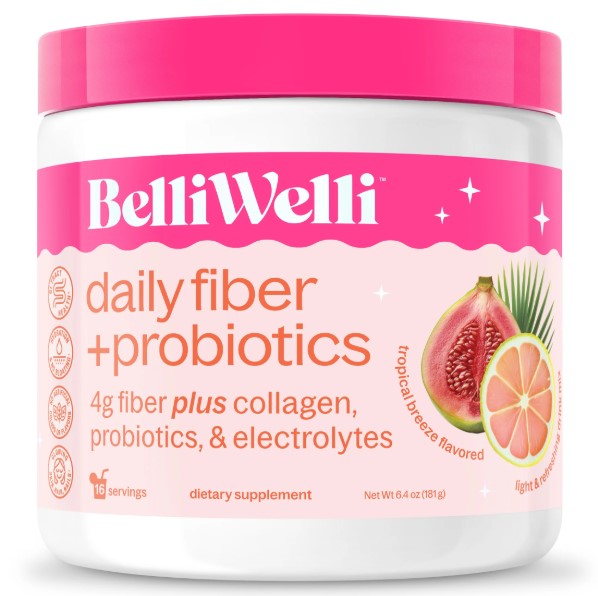
Price per day, with subscription: $1.00 (one scoop)
Popular on social media, BelliWelli takes a lighthearted approach to bloating and other common symptoms of digestive imbalance. The company is best known for its Daily Fiber + Probiotics powder, available in a wide range of inventive fruity flavors.
BelliWelli Positives
- Straightforward blend of fiber, collagen, probiotics, and electrolytes
- Available in tubs and on-the-go packets
- Numerous fruit flavors and an unflavored version
- Powder can be mixed into hot or cold beverages or food
- Free shipping and a 25% discount for subscribers
BelliWelli Drawbacks
- Bovine collagen isn’t suitable for vegetarians or vegans
- No digestive enzymes
- Flavored version contains 2g of added sugar
- Relatively low dose of probiotics (1 billion CFU)
Potential Benefits
According to the manufacturer, one scoop of BelliWelli’s fiber mix offers wide-ranging benefits, including digestive regularity, bloating support, energy balance, improved hydration, enhanced skin and hair health, and feeling full for longer.
Quality
BelliWelli fiber supplements are manufactured in GMP-certified facilities and are third-party tested.
Ingredients
- 4g of dietary fiber (organic acacia)
- 1 billion CFU of probiotics: Bacillus coagulans
- Electrolytes (sodium, potassium, magnesium) and niacinamide (vitamin B3)
- 2g bovine collagen peptides
Taste & Convenience
BelliWelli powders are generally well-received by customers, who enjoy the flavor variety (e.g., Wild Berry, Watermelon, Cherry Limeade, Peach Mango, etc.), as well as the unflavored option. The powder mixes fairly easily with water, with minimal grittiness.
Our Verdict
Versatile enough to use in water, smoothies, and hot drinks, or mixed into food, BelliWelli offers a decent amount of fiber to help with bloating and bowel movements, plus probiotics for a healthy microbiome, electrolytes for hydration and energy, and collagen for hair, skin, and nail health, though many of these helpful ingredients are in low doses.
Key Considerations for Bloating Supplements
When searching for the right supplement for your needs, these are some of the most important features to keep in mind:
Ingredients to Look for
Regardless of the cause of your bloating, you’ll want to choose a supplement made with all-natural ingredients, preferably with organic and non-GMO certification. Some of the most common ingredients to look for in bloating supplements include:
- Probiotics
- Naturally occurring digestive enzymes
- Soluble and insoluble fiber, ideally some of which is prebiotic
- Herbs like peppermint, ginger, fennel, chamomile, and anise
If you’re new to bloating supplements, it’s advisable to start gradually, as excessive amounts of fiber and probiotics could worsen bloating, stomach pain, or constipation.
Ingredients to Avoid
Choose a bloating supplement that aligns with your unique needs, including dietary preferences and sensitivities. If you have been dealing with unresolved digestive issues, check the label to ensure that it is dairy-free and soy-free. Avoiding fillers, artificial sweeteners, and sugar alcohols is also a good idea, as these additives could cause further digestive upset.
Quality Control
Whichever supplement you choose, it’s essential to check that the product has been manufactured to the highest standards, ideally with organic, non-GMO ingredients. Third-party testing and certifications from organizations such as NSF International can provide customers with peace of mind, ensuring they have selected a safe, high-quality supplement.
Top Tips to Help Bloating Discomfort
Abdominal bloating can be uncomfortable and even painful. Fortunately, there are many tried and true approaches that may help with bloating discomfort:
- Overeating can contribute to bloating, so pay attention to when you start to feel full. A slower, more mindful mealtime may help you pick up on fullness cues and avoid excess air intake while eating and drinking. Chewing gum also leads to swallowing air, so this might be a habit to curtail if you're frequently bloated.
- If you frequently feel bloated, take a close look at your diet. Make sure you’re getting a reasonable amount of fiber and limiting fatty foods, salty foods, and gas-producing foods.
- Unfortunately, some very healthy foods can be tough on the digestive process, including cruciferous vegetables (e.g., broccoli, cauliflower, and Brussels sprouts), beans, and whole grains. While you shouldn’t need to eliminate these foods from your diet, you may need to adjust the quantities.
Nutrition Fact: While cruciferous vegetables are packed with a range of beneficial nutrients, they also contain large amounts of both soluble and insoluble fiber, as well as complex sugars that are difficult for the small intestine. Coupled with their high sulfur content, this makes cruciferous veggies major sources of gas and bloating.
- Lactose intolerance can also result in unpleasant gas, so be mindful of your dairy consumption or consider plant-based alternatives. Similarly, if you are fructose intolerant, you might feel bloated after eating honey, table sugar, high-fructose corn syrup, or fruits that are naturally high in fructose, like apples, apricots, and peaches.
- Certain artificial sweeteners, such as those found in sugar-free gum, can affect bloating due to the presence of hard-to-digest sugar alcohols, including sorbitol and xylitol.
- Staying hydrated by drinking plenty of water can help with regularity and encourage food to pass through your digestive system more easily.
- Carbonated drinks like beer and soda can increase gas production
- Exercise can also help keep things moving in your digestive tract. While regular physical activity is recommended for everyone, taking a short walk after eating may be especially helpful.
- Some people have had success with vitamin D supplements and peppermint oil capsules to aid digestion, impact bloating, and help with motility.
Consider keeping a diary to note which meals result in unpleasant digestive symptoms, as this could be evidence of a food intolerance. While a certain amount of occasional, mild bloating is normal, seek medical attention from your healthcare provider if you experience constant bloating or notice worsening symptom severity, including belly pain, sudden or unintentional weight loss, or blood in your stool.
Final Thoughts on Bloating Supplements
In conjunction with an active lifestyle and mindful eating habits, a high-quality dietary supplement might help with gas and uncomfortable feelings of fullness.
Although there are plenty of worthwhile supplement choices available, I usually recommend Live it Up Super Greens to clients interested in supporting their digestion and overall wellness. Live it Up contains numerous gut-friendly ingredients, including probiotics, dietary fiber, enzymes, and organic herbs like peppermint leaf and ginger root.
Alternatively, some of my clients have found that daily probiotics or digestive enzyme capsules, such as Physician’s Choice Bloat + Gas Probiotic or HUM Flatter Me, can also help with bloating and other digestive problems, though without the added nutritional benefits of a greens powder.
Of course, there is no “magic bullet” for bloating, and each individual will experience different results with dietary supplements. I highly encourage anyone interested in resolving their bloating issues and supporting their overall gut health to consider working with a gut health nutritionist who can help guide you to the best possible diet and lifestyle for your unique needs.
Frequently Asked Questions About Supplements for Bloating
If you’d like to learn more about the best supplements for bloating, check out my answers to these commonly asked questions.
Why do I feel bloated all the time and my stomach enlarged?
Occasional mild bloating could be caused by particular foods or by eating too much or too quickly. Menstruation and constipation can also cause bloating. If you constantly feel bloated, it could be a sign of a food sensitivity or intolerance. Feeling bloated “all the time” could also be related to a digestive health condition, so it’s worth talking to a healthcare professional about your symptoms and any potential supplements.
Do probiotics help with bloating?
Many individuals regularly consume probiotics, either from fermented foods or supplements, due to their benefits for gut health. Research suggests that for some people, probiotics may help with bloating and other digestion-related symptoms by introducing additional good gut bacteria into the microbiome. However, keep in mind that taking a supplement for the first time can result in unwanted side effects and could temporarily make bloating and gas worse.
Which vitamin reduces belly fat?
While there is no evidence that consuming a specific vitamin will directly reduce belly fat, various micronutrients may contribute to a healthy metabolism and normal energy production. For example, magnesium and B vitamins are vital for turning food into energy, while iron contributes to physical endurance and is needed to carry oxygen to muscle cells. Many people take vitamin D supplements to support their weight loss goals, though the scientific basis for this remains unclear.
If you’re looking to start a weight loss journey, consider consulting with a registered dietitian like the experts from Top Nutrition Coaching.
What foods cause the most bloating?
Depending on your overall diet and whether you have any intolerances, specific foods are especially likely to cause bloating and abdominal pain. These include cruciferous vegetables, beans and lentils, dairy products, and fruits that are high in fructose. Carbonated beverages and foods containing artificial sweeteners have also been linked to bloating symptoms.
Resources
- https://pubmed.ncbi.nlm.nih.gov/36396061/
- https://letsliveitup.com/products/supergreens
- https://physicianschoice.com/products/bloat-gas-probiotic
- https://www.humnutrition.com/product/23/flatter-me/
- https://letsliveitup.com/collections/all-superfoods
- https://pmc.ncbi.nlm.nih.gov/articles/PMC9590435/
- https://pmc.ncbi.nlm.nih.gov/articles/PMC10389721/
- https://medicine.healthsci.mcmaster.ca/surprising-impacts-of-common-food-additive-on-gut-health
- https://www.dovepress.com/a-multi-digestive-enzyme-and-herbal-dietary-supplement-reduces-bloatin-peer-reviewed-fulltext-article-NDS
- https://help.humnutrition.com/hc/en-us/articles/360041340454-Shipping-Information
- https://primalharvest.com/products/primal-greens
- https://belliwelli.com/collections/powder
- https://www.health.com/nutrition/fiber-gas-bloating
- https://www.nsf.org/nutrition-wellness/gmp-certification
- https://www.health.harvard.edu/staying-healthy/how-to-get-rid-of-bloating-tips-for-relief
- https://time.com/85889/the-best-and-worst-foods-for-bloating/
- https://www.medicalnewstoday.com/articles/why-does-broccoli-cause-gas#managing-gas
- https://health.clevelandclinic.org/what-to-know-about-sugar-alcohols
- https://pmc.ncbi.nlm.nih.gov/articles/PMC10527500/
- https://my.clevelandclinic.org/health/treatments/14598-probiotics#risks-benefits
- https://www.healthline.com/nutrition/vitamin-d-weight-loss