Top Nutrition Coaching is fully dedicated to providing its readers with transparent, accurate, and compassionate information that applies to individuals from every demographic. Our nutritionists adhere to specific guidelines when creating content to ensure that all published materials are most advantageous to our readers. Top Nutrition Coaching has a no-tolerance policy regarding plagiarism.
All materials published by Top Nutrition Coaching adhere to the criteria outlined below:
- When possible, Top Nutrition Coaching only uses primary sources. Only peer-reviewed journals and government and state sites will be used if primary sources are unavailable.
- Our team reviews every article on the Top Nutrition Coaching site on a periodic basis. Our regular review process ensures that we constantly communicate the most up-to-date information about nutrition, health, and wellness.
- All of our content will be thorough and factual but also approachable. Our goal is to help readers learn about nutrition, not to confuse them.
- All of our content is verified by nutritionists and dietitians with certifications and advanced degrees. Every article will include a registered nutritionist or dietitian’s byline.
- None of our content will include false promises or guarantees. Our number one priority is supporting our audience and their health – their needs come first.


A Dietitian's AG1 Review: Nutrition, Taste, Cost, and More
At Top Nutrition Coaching, we only recommend brands we trust, all of which are selected and reviewed by our dietitians. We may receive compensation for this content, which was created in partnership with Live it Up.
Made popular by social media, AG1 is a greens powder supplement that promises numerous health benefits. But is it worth the hefty price tag?
In early 2025, the company revamped their popular formula, releasing “AG1 Next Gen.” Several of my clients have asked about it, so I took a closer look at the new blend. Here’s my honest AG1 review as a licensed nutritionist to help you decide for yourself.
In this article, I’ll discuss the health claims made by Athletic Greens and how they compare to the ingredient list and nutrition facts. I’ll also cover taste, price, and recommended dosage before giving my verdict on whether AG1 Next Gen is a good buy for the average consumer.
Is AG1 Worth It?
In my opinion, AG1 is not worth it for most people. The expensive price tag and the long list ingredients and nutrients may offer more than the average person needs from a daily supplement. Unless you’re a professional athlete or someone needing exceedingly high amounts of vitamins and minerals, I think your money is better spent on a more balanced greens powder alternative.
AG1 Key Features
- What Is AG1? AG1 is a nutritional supplement made with 75+ ingredients. According to the manufacturer, one serving of AG1 Next Gen provides superfoods, vitamins, minerals, herbs, antioxidants, mushrooms, adaptogens, prebiotics, probiotics, and a digestive enzyme.
- How Should You Use AG1? AG1 is a powder blend. You mix one scoop (13 grams) with 8-12 ounces of cold water, shake it, and drink it, typically on an empty stomach before breakfast. You can also mix it with milk, juice, or smoothies.
- How Much Does AG1 Cost? AG1 costs $99 for a 30-day supply or $79 per month with a subscription. The company has a 90-day money-back guarantee and says that you can change or cancel your order at any time.
- What Are the Alleged AG1 Health Benefits? The company claims that the ingredients in AG1 were selected to support immunity, gut health, digestion, energy levels, healthy aging, and mood balance.
- What Does It Taste Like? AG1 Next Gen comes in 3 flavor profiles, with the Original tasting like greens with a hint of pineapple and vanilla, but there are Citrus and Berry options too. Customers are divided about AG1’s flavors, with some praising the hint of sweetness and the natural fruit overtones, while others say the new formula is bitter with an unpleasant aftertaste. The texture can be somewhat gritty, which is to be expected with some powdered vegetable supplements. AG1 has no added sugar or artificial sweeteners but includes stevia.
- Is AG1 Suitable for Everyone? AG1 is suitable for general use by adults over 18. The label cautions against taking AG1 alongside other supplements containing zinc, so individuals should consult a healthcare professional or dietitian before taking AG1.
"No matter what you choose to add to your health routine, make sure that it's sustainable. You want something that's nutritious for your health, but also tastes good and is affordable so that you stick with it." – Jordan Hill, MS, RDN, CSSD
Athletic Greens Overview
From the company Athletic Greens, AG1 has gone through dozens of iterations since it was introduced in 2010. The most recent iteration, AG1 Next Gen, was released in spring 2025. Initially designed for athletes, the powder is now marketed to people of all fitness and activity levels. AG1 strives to be an all-in-one nutrition supplement that takes the place of a daily multivitamin while providing additional micronutrients.
AG1 Positives
- Easy to use; simply add a scoop of powder to a glass of cold water, shake, and drink
- Extensive ingredients include green vegetables, fruits, mushrooms, probiotics, adaptogens, and antioxidants
- Provides numerous vitamins and minerals, including vitamins A, C, E, B1, B2, B5, B12, niacin, folic acid, biotin, pantothenic acid, and zinc
- AG1 has undergone over 250 safety tests and is free from contaminants, GMO ingredients, pesticides, fillers, and preservatives
- Vegan, gluten-free, and dairy-free, with no added sugar or artificial sweeteners
- NSF Certified for Sport and manufactured in a GMP-compliant facility
AG1 Drawbacks
- AG1 provides little visibility into their proprietary blend. I’d prefer to get a better look at exactly what goes into their product and at what quantities in order to evaluate their health claims
- Some consumers have found the AG1 Next Gen flavor to be overly sweet and bitter, with a gritty texture that is somewhat unpleasant to drink when dissolved in water (mixing with almond milk or a smoothie helps)
- Price per serving is significantly higher than many comparable superfood blends
- Use of synthetic vitamins and minerals, many of which significantly exceed their recommended daily value, yet it lacks vitamin D
- Contains minimal fiber and only one digestive enzyme
- Only a few of the ingredients are organic
- New formulation includes silica, a filler
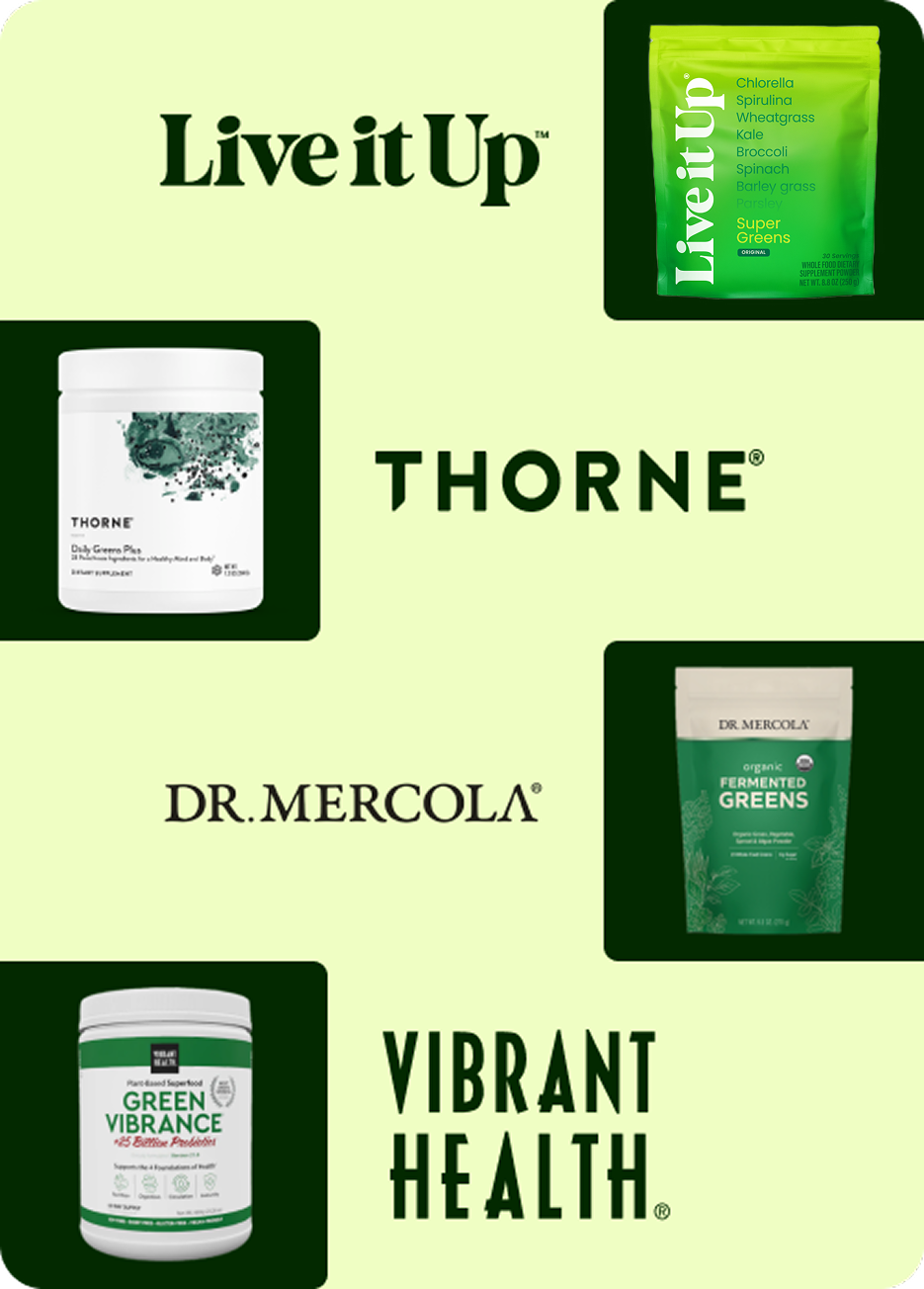
See How AG1 Stacks Up Against the Competition

My Overall Thoughts on AG1

Though no supplement is a replacement for a healthy, varied diet rich in whole fruits and vegetables, superfood blends may help support the immune and digestive systems and normal energy levels.
However, while AG1 Next Gen may be a good fit for athletes or individuals with higher nutrient needs, I don’t think it’s the best option for average individuals looking to supplement their nutrition with a daily greens powder.
In addition to a higher price tag compared to other powders, AG1 contains large amounts of certain vitamins and minerals past the recommended daily values and dozens and dozens of ingredients packed into a proprietary blend.
AG1 Ingredients Analysis
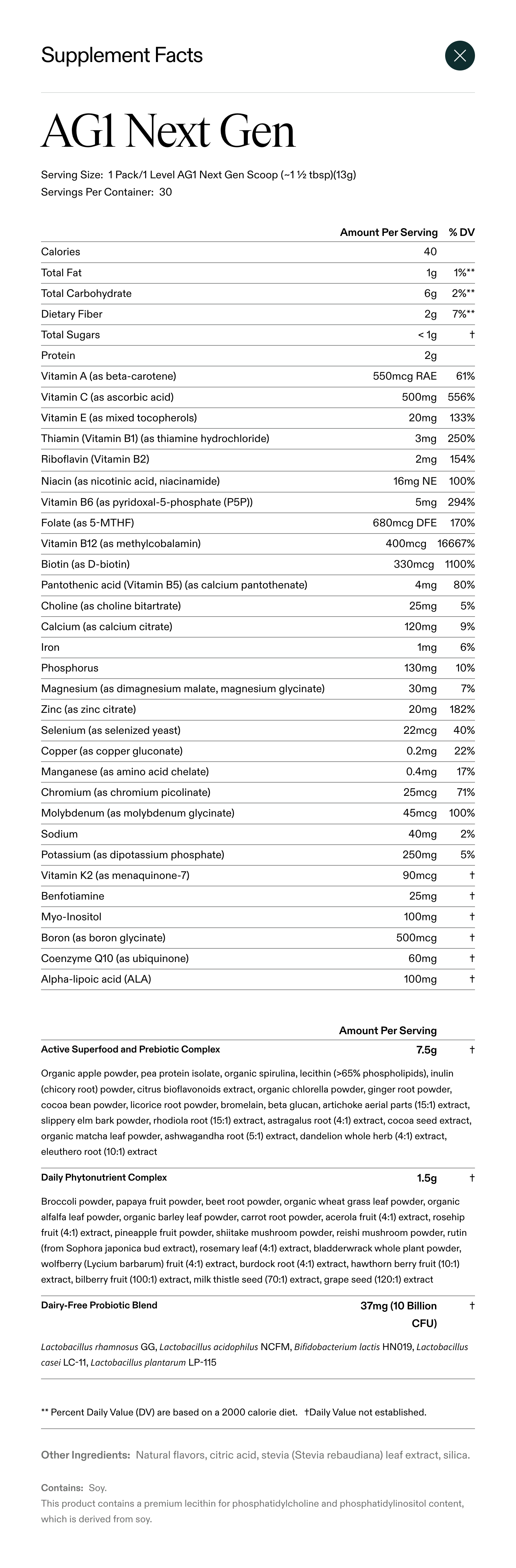
AG1 Next Gen’s product label divides its 83 ingredients (some of which are organic) into several key complexes. I took a close look at the Supplement Facts to see how these complexes follow through in terms of nutrition support.
Active Superfood and Prebiotic Complex (7.5g)
The largest ingredient group in AG1 Next Gen includes trendy health foods like spirulina, pea protein isolate, organic chlorella powder, cocoa bean, artichoke leaf extract, and matcha. This complex also features botanicals and adaptogens like ashwagandha root extract, astragalus root powder extract, dandelion, licorice root powder, and slippery elm bark powder.
Together, these herbs and adaptogens are meant to support the body’s normal response to stress, potentially helping you feel calm and balanced. Inulin, a prebiotic fiber that supports normal digestive function, is another notable ingredient along with the dietary enzyme bromelain.
Overall, I thought that the ingredients in this complex deserve the “superfood” description, and each has been linked to potential health benefits. However, the revamped formula lacks nutrient-dense seaweeds like kelp or dulse, as well as leafy greens like spinach, kale, or chard.
Also of note is that the product contains adaptogens, which should be taken moderately, and it may have trace amounts of caffeine.
Daily Phytonutrient Complex (1.5g)
Phytonutrients are simply plant-based chemicals that some experts say support your overall health. The phytonutrient complex found in AG1 contains broccoli, papaya, beet root powder, wheat grass, organic alfalfa powder, bilberry fruit extract, barley, carrot root powder, lycium berry fruit extract, pineapple, and more. Though it is unclear why these foods are in the phytonutrient complex instead of the active superfood complex, there is no denying their high quantities of essential vitamins and minerals.
Additionally, the complex also incorporates super mushrooms like shiitake mushroom and reishi mushroom powder, in addition to rosemary leaf extract, grape seed extract, bladderwrack, burdock root powder, hawthorn berry, and milk thistle seed extract.
Additional ingredients include natural flavors, citric acid, and stevia leaf extract for sweetness. Lastly, I was disappointed to see Next Gen now includes silica, a filler that was not present in AG1’s previous formula.
Dairy-Free Probiotics (37mg)
There are five strains of probiotics in AG1 Next Gen:
- Lactobacillus rhamnosus
- Lactobacillus acidophilus
- Bifidobacterium lactis
- Lactobacillus casei
- Lactobacillus plantarum
These probiotics are widely used to support a healthy gut microbiome, and 10 billion CFU is an impressive amount for a single serving (though at the maximum recommended dose per serving).
Vitamins and Minerals
AG1 Next Gen, like its predecessor, features a wide range of vitamins and minerals, listing the amount per serving and the %DV (percent Daily Value) on the label. AG1 appears to provide significant amounts of many important micronutrients. For example, you’ll get 16,667% of your daily value of vitamin B12 and 1100% of your daily value of biotin. Some of the specific nutrients in megadoses should be monitored against any other supplements or medications you are taking.
On the other hand, AG1 does not contain vitamin D, a vitamin linked to immune support and fatigue management. The formula has been upgraded to include methylated B-complex, which is a more bioavailable form of the vitamin and therefore easily digestible. Many of these micronutrients added to bolster AG1’s nutrient profile come from lab-created synthetic vitamins. Although they can be useful for correcting nutrient deficiencies, I prefer natural vitamins and minerals that come from whole foods.
AG1’s Health Claims
As a registered dietitian, I tend to be skeptical of the purported health benefits promised by supplement manufacturers, which are not monitored by the FDA. While dietary supplements may help bolster your overall nutrition by providing additional micronutrients, there is no substitute for a balanced diet full of whole fruits and vegetables, whole grains, healthy fats, and lean protein.
Curious about the validity of AG1’s benefits, I analyzed how the ingredients in AG1 Next Gen are likely to contribute in the key areas of energy and focus, immunity, gut health support, and mood balance.
“The AG1 greens formula does contain adaptogens, which are certain ingredients working to reduce the impact of stress on our bodies. This is in addition to vitamins and minerals, pre/probiotics, and antioxidants within this particular product. AG1 is also held to high manufacturing practice standards, and is produced in GMP registered facilities.” — Lena Bakovic, MS, RDN, CNSC
Energy and Focus
Athletic Greens makes several broad statements about how AG1 may “help you feel sharp and focused while supporting your daily energy levels.” I think it’s reasonable to expect that a daily dose of AG1 may help with maintaining a normal energy balance. This is mostly due to the inclusion of numerous B-complex vitamins, which are essential for converting the body’s food intake into usable energy.
For individuals who aren’t getting enough B vitamins from their diet and aren’t taking another multivitamin, AG1 Next Gen may be useful in combating feelings of fatigue. AG1 may also contribute a small amount of caffeine from matcha leaf powder and cocoa seed extract.
Gut Health
Many people take AG1 because they think it will aid their gut health and digestion. AG1’s website references three small trials in which AG1 supplementation enriches the gut microbiome over the course of the two-week study. It’s important to note that this study was conducted using the original formulation of AG1. While that is not nearly enough evidence to prove a definitive link, I feel confident that the ingredients in AG1 could have a helpful effect on gut health.
The blend contains 10 billion CFU of the 5 different probiotic strains to help support the gut microbiome. AG1 also contains inulin, a prebiotic fiber, and bromelain, a dietary enzyme. These ingredients may contribute to a healthy balance of “good” gut bacteria, thereby potentially supporting overall digestion. For some people the jump from 7.2 billion CFUs to 10 billion (the maximum recommended dose) can require a longer adjustment period, so it’s important to talk to your doctor before changing your probiotics routine.
Immunity
Considering the long list of vitamins and minerals in AG1 Next Gen, it’s reasonable to assume that it could help support normal immunity. AG1 features essential nutrients associated with helping the body’s natural defenses, including:
- Vitamin A
- Vitamin C
- Vitamin E
- Folate
- Zinc
- Selenium
Unfortunately, the blend lacks vitamin D and has a very small amount of iron, which are essential for a robust immune response.
On paper, the immune-supporting micronutrients in AG1 are undeniably helpful for most healthy individuals who eat a balanced diet. However, AG1 should be viewed as a complement to a diet of whole fruits or vegetables and not a replacement.
Mood Balance
While many of the vitamins and minerals in AG1 Next Gen are readily found in foods like leafy greens, colorful fruits and vegetables, nuts, seeds, and lean fish, you’re less likely to find dried reishi mushrooms or adaptogens like ashwagandha, Rhodiola, or eleuthero in the produce aisle. For this reason, it makes sense to use a superfood blend like AG1 rather than taking numerous supplements.
Athletic Greens suggests that you may feel calmer and better able to deal with life’s daily stressors when you consume AG1 Next Gen daily. Adaptogenic herbs are understood to play a crucial role in helping the body respond to stress, fatigue, and anxiety and have been linked to immune health.
While many of these ingredients are in concentrated extracts, some are powders packed into one small blend. For example, the shiitake and reishi mushroom powders are stuffed with 19 other ingredients in a 1.5g complex when scientists suggest reishi alone should have a 1-2g dose. It’s possible there are other ingredients in AG1 that are just as overstuffed.
AG1 Price and Discounts
AG1 is one of the most expensive green powders on the market, so most customers set up a subscription to benefit from significant savings. Here’s what you can expect to spend on AG1 Next Gen:
- One-time delivery cost: $99 for a 30-serving pouch ($3.30 per serving)
- Monthly subscription cost: $79 per month ($2.63 per serving)
- Travel packs one-time delivery cost: $109 for 30 single-serving travel packs ($3.63 per serving)
- Travel packs subscription: $89 for 30 single-serving travel packs ($2.97 per serving)
AG1 makes their subscription option especially enticing by offering a flexible subscription model and a welcome gift. Here are some of the subscription perks:
- AG1 subscriptions can be paused, canceled, or changed at any time
- Enjoy a 90-day money-back guarantee
- First subscription deliveries include a welcome kit with an AG1 shaker, scoop, and canister, as well as three single-serving travel packs in the original flavor
- If you live with another adult, you may want to sign up for a three-month subscription plan. This provides 90-servings for $207, bringing the price per serving down to $2.30, which is still higher than many competitors
AG1 Next Gen is available to purchase through the Athletic Greens website, Amazon.com, or other major retailers like Walmart and Target.
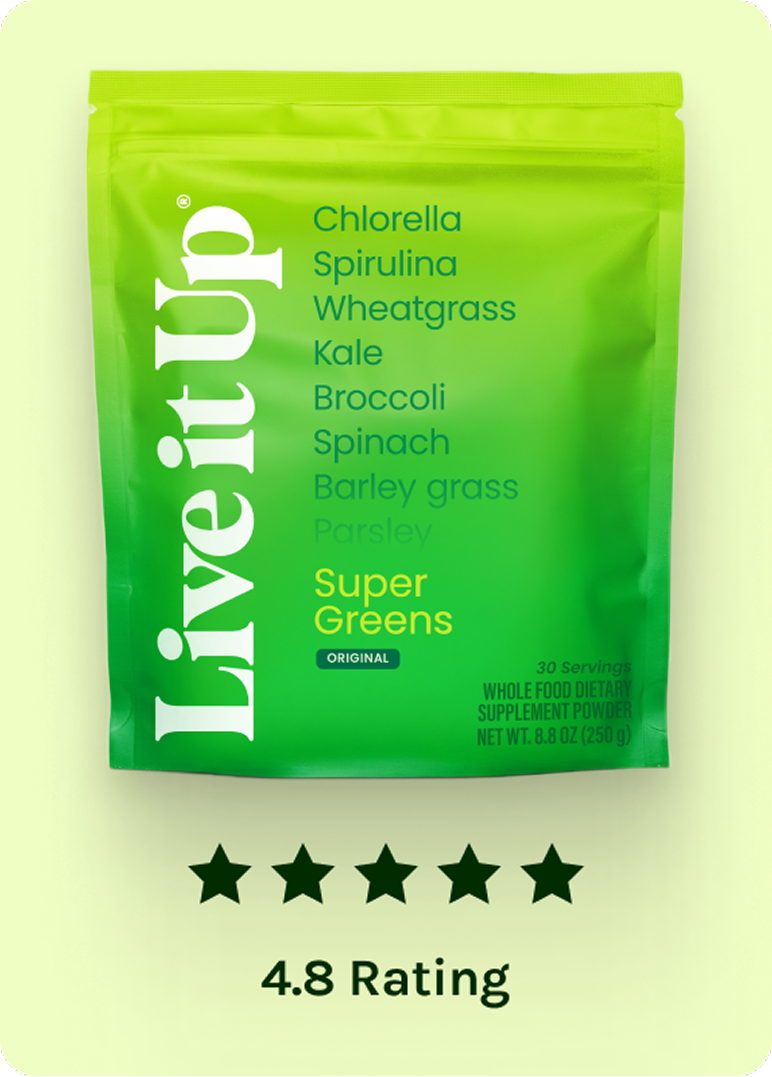
While a number of Athletic Greens customers would undoubtedly argue that the years of product testing and the large number of ingredients make the price worth it, I think it’s only fair to point out that there are more affordable greens powders on the market. For example, Live it Up Super Greens and Amazing Grass Greens Blend each feature an impressive list of nutrient-dense superfoods, digestive enzymes, and probiotics, but are more accessibly priced at $1.33 or under per serving.
AG1 Taste: Customer Testimonials
AG1 is known for its brand partnerships with social media influencers and celebrity athletes like F1 champion Lewis Hamilton and Olympic sprinter Allyson Felix. But what do real customers think about AG1 Next Gen? The brand reports 50,000+ 5-star ratings on their website, and I’ve reviewed lots of customer feedback myself.
It is important to know that most of the ratings on the brand’s website are of the original iteration of AG1, not the AG1 Next Gen formulation. I dug through the reviews to find what customers think about AG1 Next Gen so far, which is the only formulation available for purchase as of 2026.
AG1 offers three flavors:
- Original (pineapple/vanilla)
- Citrus
- Berry
Taste is absolutely a matter of personal opinion, but one that could influence whether or not you keep up with a new habit. Customers appear to be divided about the taste and texture of AG1 Next Gen, with some noting the slight sweetness and earthiness and saying it has a “surprisingly OK” flavor, while others say it isn’t to their taste and leaves sediments even after being thoroughly mixed.
However, I was surprised by how many reviewers reported that Next Gen does not taste as good as the original AG1 formula. The new formula has a more subdued pineapple flavor yet is significantly sweeter. Interestingly, many reported an unpleasant and bitter aftertaste.
With the release of AG1 Next Gen, the company also introduced two new flavors (Citrus and Berry). For the most part, reviewers seem to prefer the Original flavor, saying that the new fruity flavors taste “more artificial” and have an unpleasant, lingering flavor.
For all flavors, some noted the powdery, chalky texture, though overall, the majority of customers seemed to find the taste palatable and preferred drinking AG1 Next Gen to a daily regimen of dietary supplements in tablet form. Lastly, though some customers liked the formula, they found the pricing not financially sustainable.
Weighing In: Is AG1 Good for You?
AG1 is an excellent greens powder—for the right person. Having been on the market for over a decade, Athletic Greens has a devoted fan base that believes AG1 has benefited their overall health. For every satisfied customer, though, there seems to be one who was put off by the taste or price.
In my experience, more isn’t always better when it comes to nutrition. AG1’s list of ingredients is undoubtedly impressive, but I’m not convinced it’s necessary for filling green gaps in an average diet.
AG1 exceeds the recommended daily intake of numerous vitamins and minerals but notably lacks sufficient fiber and vitamin D. And since Athletic Greens does not disclose the ingredient quantities in its proprietary blends, it’s difficult to determine how much of each superfood is contained in a single serving.
As a dietitian, I can see why AG1’s ingredient list might appeal to individuals with certain nutritional deficiencies or athletes looking to fine-tune their nutrient intake and agree it could be a helpful dietary addition in these situations. For the average person, though, I believe there are other greens powders on the market that can deliver many of the same potential benefits as AG1 Next Gen at a more affordable price.
Though AG1 Next Gen is everywhere right now, it is important to weigh the product’s pros and cons before purchasing. Regardless of whether you opt for AG1 or another super greens powder, it is important to to consider your specific fitness and wellness goals before adding a supplement to your diet. Speaking with a registered dietitian who understands your unique health history, lifestyle, and dietary preferences is a great way to ensure that you are giving your body the nutrition it needs.
Frequently Asked Questions About AG1
Does AG1 work?
It depends on your unique health goals, needs, and body composition. Everyone is different, so even though AG1 Next Gen works for some, it may not work for others. This is true for any supplement. It’s best to try out greens powders with a money-back guarantee so you can be sure it’s right for you.
How does AG1 taste?
When AG1 released the revamped “Next Gen” formula, they also added new flavor options, allowing customers the choice of Original, Citrus, or Berry. All flavors rely on stevia for sweetness, although some report that the new fruity flavors contain too much stevia.
The Original flavor tastes lightly of pineapple and vanilla bean. Most customers report that the Original flavor also has a somewhat earthy taste, with some comparing it to matcha.
Interestingly, regular AG1 customers have noticed a new difference in the overall taste of the Original AG1 flavor. Though the company claims the Original flavor remains unchanged in the Next Gen formulation, several reviewers are saying that AG1 Next Gen’s taste and texture is different, with more of an unpleasant aftertaste than before.
What are some AG1 alternatives?
While AG1 Next Gen has an impressive following on social media, there are many other greens powders on the market that could be great AG1 alternatives. Brands like Bloom Greens & Superfoods and Live it Up Super Greens are made with organic vegetables, manufactured in the USA, and have more manageable ingredient lists.
How much do green powders cost?
The price of green powders varies significantly based on the brand and the ingredients. At $2.63 per serving (with the subscription discount), AG1 Next Gen is one of the more expensive green powders, along with Organifi Green Juice ($2.06 per serving). On the other hand, Bloom Greens and Live it Up Super Greens are priced at $1.33 per serving or less.
Is AG1 worth it?
Athletic Greens is a potent greens powder aimed at replacing multiple supplements with over 75 ingredients and massive amounts of vitamins and minerals. It’s NSF Certified for Sport and third-party tested for quality. If you have larger nutrient requirements in your diet (due to extreme exercise or other conditions), then AG1 could be the best choice for you.
For the majority of my clients, however, I’d say that AG1’s stacked ingredient list, use of filler, and high cost (nearly $3/day) just isn’t worth it. Instead, I recommend all-natural greens powders like Live it Up Super Greens, which offers a balanced nutritional blend without stevia or synthetic vitamins at an affordable price ($1.33/day).
What is the difference between the old AG1 and AG1 Next Gen?
AG1 has been updating their formula since the product first launched into the market some 10 years ago. The key difference between AG1 Next Gen and the previous iteration is change in strains of probiotics, flavors, and micronutrients. The new formula includes 10 billion CFUs of probiotics, a stronger vitamin B-complex profile alongside trace minerals like boron, choline, magnesium malate, and molybdenum. The scoop size also also changed from 12g to 13g. The Next Gen introduces two new flavors, Berry and Citrus, to the classic pineapple-vanilla taste of the Original.
How can you make AG1 taste better?
AG1 Next Gen has an overly sweet and bitter taste, according to many customer reviews. If you’re looking for tips on how to make AG1 taste better, consider adding the powder to a smoothie with pineapple or fruit juice. If the taste still bothers you, then consider opting for a different greens powder.
References
- https://www.cdc.gov/nccdphp/dnpao/division-information/media-tools/adults-fruits-vegetables.html
- https://drinkag1.com/
- https://pubmed.ncbi.nlm.nih.gov/36876591/
- https://www.ncbi.nlm.nih.gov/pmc/articles/PMC3991026/
- https://www.mountsinai.org/health-library/herb/burdock
- https://www.webmd.com/diet/effects-of-taking-too-many-vitamins
- https://www.healthline.com/nutrition/synthetic-vs-natural-nutrients
- https://www.ncbi.nlm.nih.gov/pmc/articles/PMC9662251/
- https://drinkag1.com/learn/research/scientific-research
- https://letsliveitup.com/products/supergreens
- https://amazinggrass.com/collections/all-products/products/greens-blend-the-original
- https://www.trustpilot.com/review/athleticgreens.com
- https://drinkag1.com/about-ag1/reviews/ctr
- https://drinkag1.com/
- https://www.medicalnewstoday.com/articles/vitamin-dosage#daily-intake-charts
- https://www.reddit.com/r/AthleticGreens/comments/1kjrsn2/ag1_next_gen/
- https://pmc.ncbi.nlm.nih.gov/articles/PMC11767646/
- https://pmc.ncbi.nlm.nih.gov/articles/PMC10818509/
- https://www.healthline.com/nutrition/reishi-mushroom-benefits