Top Nutrition Coaching is fully dedicated to providing its readers with transparent, accurate, and compassionate information that applies to individuals from every demographic. Our nutritionists adhere to specific guidelines when creating content to ensure that all published materials are most advantageous to our readers. Top Nutrition Coaching has a no-tolerance policy regarding plagiarism.
All materials published by Top Nutrition Coaching adhere to the criteria outlined below:
- When possible, Top Nutrition Coaching only uses primary sources. Only peer-reviewed journals and government and state sites will be used if primary sources are unavailable.
- Our team reviews every article on the Top Nutrition Coaching site on a periodic basis. Our regular review process ensures that we constantly communicate the most up-to-date information about nutrition, health, and wellness.
- All of our content will be thorough and factual but also approachable. Our goal is to help readers learn about nutrition, not to confuse them.
- All of our content is verified by nutritionists and dietitians with certifications and advanced degrees. Every article will include a registered nutritionist or dietitian’s byline.
- None of our content will include false promises or guarantees. Our number one priority is supporting our audience and their health – their needs come first.


Kiala Greens Review 2026: A Dietitian’s Honest Test
At Top Nutrition Coaching, we only recommend brands we trust, all of which are selected and reviewed by our dietitians. We may receive compensation for this content, which was created in partnership with Live it Up.
I’ve learned from years of research as a registered sports dietitian that not all green supplements are created equal, and some are worryingly overhyped or overpriced. The viral TikTok sensation Kiala Super Greens is one such product. Kiala’s colorful packaging and inventive flavors are undoubtedly appealing, yet the Supplement Facts hardly mention any vitamins and minerals, calling into question its effectiveness for nutrition and wellness support.
In this honest review, I’ll take a close look at the ingredients in Kiala Greens to determine whether this trendy supplement is worth recommending to clients – or whether there are better options for an affordable, high-quality daily greens powder.
Kiala Greens Key Features
- What is Kiala Greens? Kiala Super Greens is a dietary supplement intended to support “comprehensive nutrition.” It is made with powdered vegetables, coconut water powder, and herbal extracts.
- How should you use Kiala Greens? The manufacturer recommends stirring one scoop of greens into a glass of cold water. The powder can also be mixed with juices or added to smoothies.
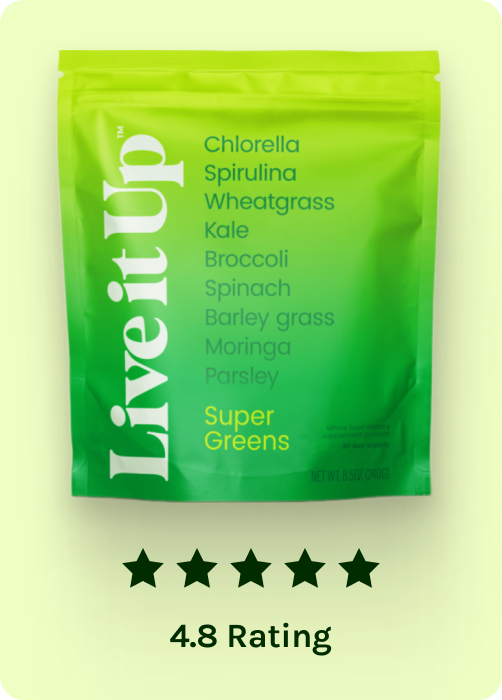
- Are there better alternatives to Kiala? For a similar price per serving, green powders like Live it Up Super Greens may offer better nutrient density, along with additional digestion support like fiber, probiotics, and digestive enzymes. For customers seeking flavor variety, Bloom Greens is also worth considering.
- How much does Kiala cost? For a one-time purchase, a 30-serving container of Kiala Greens costs $49.95 ($1.67 per serving), or $39.96 ($1.33 per serving) if you set up a subscription for monthly delivery.
- What are the alleged Kiala Greens benefits? Kiala Greens is supposed to “support gut health, reduce bloating, boost energy and immunity, and promote clear skin.”
- What does Kiala taste like? Kiala Greens is available in numerous flavors, including Tropical Splash, Strawberry Swirl, Carnival Candy, and Miami Vice, though some are frequently out of stock. In online reviews, some customers say they love the fruity flavors, while others find Kiala Greens excessively sweet with a slightly gritty texture.
Kiala Nutrition Overview
Kiala Super Greens is the flagship product of Kiala Nutrition, a supplements company founded in 2021 by Pete Christel and Jack Szymczak. The company works with influencers to promote Kiala Greens on social media, with young women as the main customer demographic.
Kiala Positives
- Features several organic ingredients
- Coconut water powder may provide electrolytes
- Free from added sugars, dairy, soy, and gluten
- Made in the USA in NSF-certified, GMP-compliant facilities
- Third-party tested for heavy metals and contaminants
- Fun, fruity flavors could introduce more people to green powders
- Subscribers save 20%
- Free shipping on all U.S. orders
Kiala Drawbacks
- Only lists 3 minerals, no vitamins
- No dietary fiber, probiotics, or digestive enzymes
- Contains the artificial sweetener sucralose
- Uses maltodextrin as a thickener and filler
- Some flavors are routinely out of stock
- Some flavors can’t be purchased with a subscription
- May not be suitable for those with caffeine sensitivity or a coconut allergy
See How Kiala Stacks Up to the Competition


My Overall Thoughts on Kiala Greens
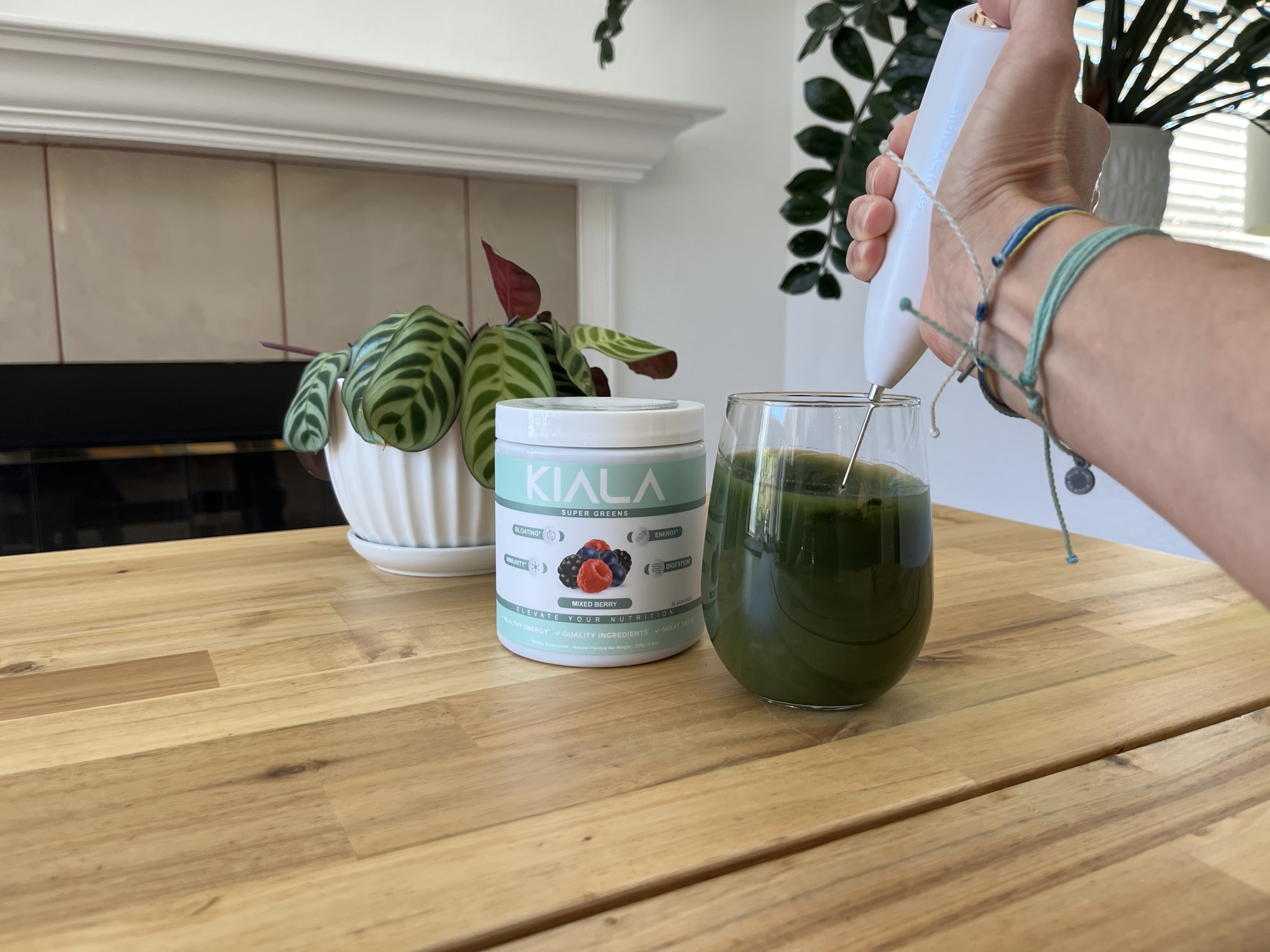
With its fun packaging and tasty flavors, Kiala Super Greens strives to make the potential health benefits of green powders more accessible. However, after thoroughly researching this product, there are a few qualities that would make me choose another brand instead.
- Although the ingredient list is promising (including several organic greens), there is hardly any mention of micronutrients on the Kiala Greens label.
- Unlike many greens powders, Kiala Greens does not contain probiotics, fiber, or digestive enzymes, which are helpful for supporting a thriving microbiome and encouraging nutrient absorption.
- Kiala Greens is sweetened with the artificial sweetener sucralose, which many people may wish to avoid and/or find excessively sweet. Kiala also contains an unspecified amount of maltodextrin, which takes up valuable space in the formula that could otherwise be used by more nutritious ingredients.
- Kiala’s green tea and coffee extracts provide 12mg of caffeine – a small amount, yet those who are hypersensitive to caffeine may want to avoid.
- Kiala Greens isn’t a great value at $49.95 for a 30-serving container, though a subscription lowers the cost to $39.96. This is still a high price to pay for a supplement that lacks digestion-supporting ingredients and most vitamins and minerals.
Kiala Ingredients Analysis
Kiala’s formula can be divided into three major components:
- A blend of powdered green superfoods
- A proprietary blend of antioxidant-rich fruits, vegetables, and herbal extracts
- Additional ingredients like coconut water powder, sucralose, and natural flavors
Organic Greens Blend
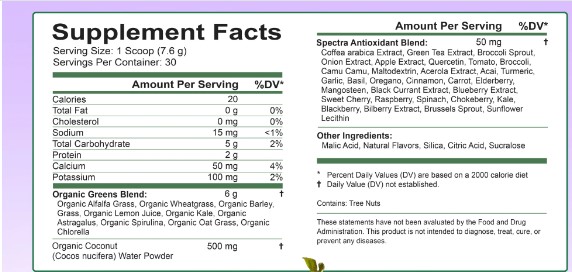
As you would expect, powdered greens are the most significant ingredients in Kiala Greens, providing 6 grams of every 8.3-gram serving. According to the label, these greens are organic, even if the supplement itself doesn’t have USDA organic certification.
Widely considered superfoods, ingredients like organic kale, organic oat grass, organic wheatgrass, organic alfalfa grass, organic barley grass, organic chlorella, and organic spirulina potentially offer a wide range of vitamins, minerals, antioxidants, and amino acids. However, no vitamins are listed on the Supplement Facts, and the mineral content is extremely minimal.
Nutrition Fact: Kiala’s organic greens blend contains organic astragalus, a flowering plant that has long been used for immune support in traditional medicine. Astragalus is also considered an adaptogen due to its potentially stress-relieving properties.
Spectra Antioxidant Blend
Kiala Greens features around 30 fruits, vegetables, and herbal extracts in its “Spectra Antioxidant Blend,” a branded nutrition product made by FutureCeuticals. According to the manufacturer, the key benefits of Spectra include stimulating antioxidant activity, reducing free radical production, supporting healthy cellular function, and protecting cell structure.
Specifically, Spectra contains:
- Antioxidant-rich ingredients, such as apple extract, acerola extract, blueberry extract, black currant extract, sweet cherry, raspberry, and bilberry extract
- Vegetables, such as onion extract, broccoli sprout, tomato, spinach, carrot, and Brussels sprouts
- Herbs like turmeric, garlic, basil, oregano, and cinnamon
- It also features Coffea arabica extract and green tea extract, which are rich in polyphenols like chlorogenic acids and catechins, respectively.
Potential customers should note that the Spectra Antioxidant Blend features a small amount of maltodextrin, most likely as a thickener or stabilizer. It also includes sunflower lecithin, which is commonly used as an emulsifier to preserve texture and flavor.
Interestingly, FutureCeuticals states that Spectra is “effective at a 100mg dose,” yet a serving of Kiala Greens contains only half of that amount, with just 50mg in each scoop.
Other Ingredients
Each scoop of Kiala Greens contains 500mg of organic coconut water powder, presumably for its electrolyte content.
Other ingredients in the formula include:
- Organic lemon juice (oddly part of the greens blend)
- Malic acid and citric acid (natural additives that can be used as preservatives or to improve flavor and texture)
- Silica (an anti-caking agent also known as silicon dioxide)
- Various natural flavors
- Sucralose, a zero-calorie artificial sweetener (commonly sold under the brand name Splenda)
Nutrition Fact: Sucralose is made by replacing three hydroxyl groups on a sucrose molecule with three chlorine atoms. It is roughly 600 times sweeter than sucrose, so only tiny amounts are needed when used instead of sugar.
Kiala Health Claims
With my background in nutrition science, I’m often skeptical of products that make broad, unsupported claims about their health benefits. There’s certainly a place for nutritional supplements as part of a balanced diet and healthy lifestyle, but expecting a greens powder to “reduce bloating, aid digestion/gut health, boost energy levels, help immunity, and promote clear skin” seems far-fetched, especially given Kiala’s lack of transparency about ingredient and nutrient amounts.
Here’s a closer look at the health claims made by Kiala Greens, and how the formula measures up to each one.
Nutrition and Immunity
As previously mentioned, Kiala contains an antioxidant blend and numerous healthy greens and vegetables, from alfalfa grass to kale to spirulina. The greens blend makes up roughly three-quarters of every scoop of Kiala Greens, so it’s reasonable to expect that you’re getting a decent amount of nutrients in each serving.
In their natural form, leafy greens are low in calories and tend be excellent sources of fiber and micronutrients like vitamin A, C, K, E, B6, folate, manganese, selenium, calcium, zinc, and iron, plus many other antioxidants, carotenoids, and phytonutrients like beta-carotene, lutein, and zeaxanthin. These micronutrients are essential for a wide range of bodily functions that keep your body feeling its best, from wound healing to hormone production.
I would like to think that Kiala’s concentrated antioxidant blend and powdered greens provide a reasonable dose of many of these vitamins and minerals, thus contributing to daily nutrient intake and immune system support.
Energy
Kiala Greens claims to “boost energy,” and some customers have commented that they feel more alert when they drink Kiala. This greens powder contains a very small amount of natural caffeine (12 mg) from coffee and green tea extracts. For individuals who are extremely sensitive to caffeine, this could impact their perceived energy levels. However, for most people, it probably won’t make a difference, as 12 mg is significantly less than the amount of caffeine in a cup of coffee (usually 80 - 100 mg).
It’s possible that the Kiala Greens could help with energy balance due to the micronutrients provided by other ingredients. Many of the leafy green vegetables in Kiala are rich in B vitamins, vitamin C, vitamin D, iron, and magnesium, which are essential for normal energy production.
Digestion and Bloating
If you’ve come across Kiala Greens powder on TikTok or Instagram, you’ve probably heard influencers praising the supplement’s effects on their digestion, usually focusing on bloating discomfort. Some even claim to have noticed a difference within a day of adding Kiala Greens to their diet.
Without wanting to detract from anyone’s unique personal experience, I have to say that I’m puzzled by these claims. Kiala lacks most of the ingredients that typically provide gut support and help with bloating. The label doesn’t mention probiotics, prebiotics, digestive enzymes, or dietary fiber, so it’s difficult to understand how the supplement delivers these much-discussed digestive benefits.
In their natural form, greens such as kale, oat grass, and wheatgrass might have a beneficial effect on the gut, as they contain nutrients like fiber, enzymes, and chlorophyll. However, it’s impossible to know whether the powdered greens in Kiala are providing these nutrients in effective doses, which makes me question the enthusiastic claims about how Kiala Greens has helped so many digestive issues.
Kiala Price and Discounts
Kiala Super Greens is only available online, mainly from the manufacturer’s website, though a few flavors are also sold on Amazon.
A 30-serving container of Kiala Greens costs $49.99 from the Kiala Nutrition website. A monthly subscription is $39.96, lowering the price from $1.67 to $1.33 per serving.
- This puts Kiala Greens at a similar price point to Primal Greens and Live it Up Super Greens (also $1.33/serving with subscription).
- Kiala is less expensive than AG1 ($2.63/serving with subscription) and Green Vibrance ($1.60/serving with subscription),
- Kiala is more expensive than Bloom Greens ($1.04/serving with subscription) and Amazing Grass Greens Blend ($0.90/serving).
Kiala Nutrition offers free shipping to all U.S. customers, regardless of subscriber status. International customers can also order Kiala Greens, though the delivery fees are substantial. Kiala accepts returns in certain circumstances, but this only seems to apply to damaged products or order discrepancies.
Kiala Taste: Customer Testimonials
Thanks to Kiala’s significant presence on social media, there’s no shortage of testimonials about this green powder’s taste, texture, and reported results. To understand how people are responding to Kiala Greens, I read through dozens of these reviews and collected some of the most representative reactions.
Arguably, Kiala’s biggest selling point is the wide range of fun flavors, which are clearly designed to appeal to people who don’t like the vegetable-heavy taste of greens powders like AG1. The current flavors are:
- Green Apple
- Strawberry Swirl
- Tropical Splash
- Mixed Berry
- Lemon Drop
- Carnival Candy
- Watermelon Slush
- Orange Sherbet
- Miami Vice
- Birthday Cake
Some of these flavors are frequently out of stock, especially Carnival Candy and Miami Vice. One reviewer complained that they have “been waiting for many months for a Miami Vice restock.”
Kiala Nutrition describes the greens powder as “refreshing, smooth, and full of flavor.” While many customers agree with this assessment, others aren’t thrilled with the taste, especially the use of sucralose.
The texture of Kiala Greens is another divisive topic. Some customers say that the powder mixes easily, while others are frustrated by its chalky or gritty consistency, especially when stirred into water. Mixing Kiala Greens with ice water is a popular choice, though many customers prefer to stir it into juice or a smoothie to disguise the taste and texture.
Weighing In: Is Kiala Greens Worth It?
With so many people searching for tasty, convenient ways to boost their nutrition, it’s not surprising that Kiala Super Greens has experienced a surge in popularity. If you enjoy drinking Kiala Greens and it helps you incorporate more fruits and vegetables into your diet, then I’m all for it.
Overall, I don’t think that Kiala Greens is a particularly good buy, especially considering how many other brands are available for a similar price. Many great-tasting, high-quality greens supplements like Live it Up offer just as many or more antioxidant-rich superfoods, along with other useful ingredients like dietary fiber, probiotics, and digestive enzymes.
Greens powders can be a helpful way to support your daily nutrition without having to constantly source and prepare a wide variety of superfoods. However, I would urge clients to always check the Supplement Facts before making a purchase. The best greens powders are transparent about which nutrients they contain, so you can give yourself the best chance of enjoying as many wellness benefits as possible.
Kiala Greens Frequently Asked Questions
Check out my answers to these common questions about Kiala Super Greens and other powdered green supplements.
Is Kiala Greens good for you?
Kiala Greens contains many ingredients that are considered superfoods, including chlorella, spirulina, wheatgrass, alfalfa grass, kale, coconut water powder, and various herbal extracts. Some of these ingredients are organic, and the supplement is third-party tested for quality and purity.
Does Kiala Greens help with weight loss?
Although Kiala Nutrition Super Greens is not a weight loss product, it’s a low-calorie drink that could be incorporated into a healthy diet. Many of the powdered greens in Kiala contain nutrients associated with normal energy production and maintaining an active lifestyle. If you’re looking to start a weight management journey, speak with a registered dietitian about the best plan for you.
Are greens powders really worth it?
While there’s no substitute for a well-rounded diet rich in fruits and veggies, I’m a fan of products that help people increase their intake. A high-quality greens powder can be an excellent way to improve your intake of hard-to-source superfoods and support your overall health, especially if you’re short on time or don’t like the taste of vegetables.
Greens powders like Live it Up Super Greens and Vibrant Health Green Vibrance are noted for their wide variety of superfoods and additional ingredients like probiotics and enzymes. However, when choosing a green powder, it’s important to check the label. Each supplement has a unique formula, and some manufacturers are much more transparent with nutrition information than others.
Do Kiala Greens help with bloating?
Kiala Greens claims to help with bloating, yet doesn’t explain how the ingredients in this green powder achieve this. Notably, Kiala lacks digestion-supporting ingredients like probiotics, dietary fiber, and digestive enzymes. Perhaps the most powerful way Kiala Greens helps with bloating is by improving hydration, which may ease fluid retention and potentially help constipation. However, drinking water is probably just as effective.
Resources
- https://kialanutrition.com/collections/super-greens
- https://kialanutrition.com/
- https://www.healthline.com/nutrition/sucralose-good-or-bad
- https://www.ams.usda.gov/services/organic-certification/certification
- https://www.nccih.nih.gov/health/astragalus
- https://www.futureceuticals.com/spectra
- https://pmc.ncbi.nlm.nih.gov/articles/PMC8601035/
- https://www.foodingredientfacts.org/facts-on-food-ingredients/sources-of-food-ingredients/lecithin/
- https://www.healthline.com/health/food-nutrition/is-silicon-dioxide-in-supplements-safe
- https://www.healthline.com/nutrition/leafy-green-vegetables
- https://www.betterhealth.vic.gov.au/health/healthyliving/Vitamins-and-minerals
- https://www.medicalnewstoday.com/articles/324986
- https://pmc.ncbi.nlm.nih.gov/articles/PMC7019700/
- https://www.health.harvard.edu/staying-healthy/how-to-get-rid-of-bloating-tips-for-relief
- https://www.healthline.com/health/food-nutrition/wheatgrass-benefits
- https://kialanutrition.com/products/super-greens-miami-vice
- https://kialanutrition.com/products/super-greens-watermelon-slush
- https://kialanutrition.com/products/super-greens-tropical-splash
- https://letsliveitup.com/products/supergreens
- https://vibranthealth.com/products/green-vibrance
- https://www.healthline.com/nutrition/how-to-debloat#1-Drink-plenty-of-water