Top Nutrition Coaching is fully dedicated to providing its readers with transparent, accurate, and compassionate information that applies to individuals from every demographic. Our nutritionists adhere to specific guidelines when creating content to ensure that all published materials are most advantageous to our readers. Top Nutrition Coaching has a no-tolerance policy regarding plagiarism.
All materials published by Top Nutrition Coaching adhere to the criteria outlined below:
- When possible, Top Nutrition Coaching only uses primary sources. Only peer-reviewed journals and government and state sites will be used if primary sources are unavailable.
- Our team reviews every article on the Top Nutrition Coaching site on a periodic basis. Our regular review process ensures that we constantly communicate the most up-to-date information about nutrition, health, and wellness.
- All of our content will be thorough and factual but also approachable. Our goal is to help readers learn about nutrition, not to confuse them.
- All of our content is verified by nutritionists and dietitians with certifications and advanced degrees. Every article will include a registered nutritionist or dietitian’s byline.
- None of our content will include false promises or guarantees. Our number one priority is supporting our audience and their health – their needs come first.


5 Best Probiotics for Women Recommended by a Dietitian
At Top Nutrition Coaching, we only recommend brands we trust, all of which are selected and reviewed by our dietitians. We may receive compensation for this content, which was created in partnership with Live it Up.
Probiotics remain a hot topic in the health world—and for good reason. These “good” bacteria help keep your gut microbiome balanced, which can benefit everything from digestion and mood to vaginal health, immune function, and even weight management.
According to a 2021 survey from the International Food Information Council (IFIC), 32% of consumers actively seek out probiotics in their diets. While probiotic foods like yogurt, sauerkraut, and kombucha are an excellent way to support a healthy microbiome, many women turn to supplements for a more targeted dose of probiotics.
With so many supplement options on the market, it can be tough to know which one is right for you. That’s where I come in. As a registered dietitian, I’ve rounded up the five best probiotics for women to help you make the most informed choice for your health.
Probiotics for Women 2026 Winners
These three probiotics are the top of the line when it comes to ingredient quality, strain diversity, targeted benefits, and real-world effectiveness.
.png)
.png)
Which Probiotics Are Best for Women?
There are hundreds of probiotic strains, each with slightly different effects on the body. While some are known for supporting digestion or immunity, others have been studied for their role in women’s health. Choosing the right probiotic often comes down to knowing which strains support the areas you care about most.
Some of the strains that are especially beneficial for women’s health include:
- Lactobacillus rhamnosus: May help reduce antibiotic-associated diarrhea, yeast infections, and bacterial vaginosis (BV).
- Bifidobacterium longum: May help with symptoms of irritable bowel syndrome (IBS).
- Lactobacillus fermentum: May reduce the risk of mastitis in breastfeeding individuals.
Depending on which aspect of your health you're looking to support, you'll want to look for probiotics that include strains shown to target those specific needs. Here's a quick guide to some of the most well-researched strains for common health concerns in women:
- Vaginal Health (Lactobacillus crispatus, Lactobacillus jensenii) — These strains are naturally found in a healthy vaginal microbiome and may help maintain pH balance and prevent infections like BV or yeast infections.
- Mental Health (Lactobacillus fermentum, Lactobacillus rhamnosus) — Emerging research suggests these strains may support the gut-brain axis, potentially helping to ease symptoms of stress and anxiety.
- Weight Management (Bifidobacterium bifidum, Lactobacillus acidophilus) — While no probiotic guarantees weight loss, these strains have been associated with healthy metabolism and reduced inflammation.
- Gut Health (Bifidobacterium lactis, Lactobacillus acidophilus) — These well-studied strains help maintain a balanced gut microbiome, ease digestion, and may reduce bloating or discomfort.
- Immune Support (Lactobacillus casei, Lactobacillus paracasei) — These strains have been shown to stimulate immune function and may help with the severity or duration of colds.
We kept these strain-specific benefits in mind when selecting the best probiotic supplements for women—see our top five picks in the next section.
Nutrition Fact: Some probiotic strains can help break down fiber into short-chain fatty acids, which fuel the cells lining your colon and help maintain a healthy gut barrier.
The Best Probiotics for Women: Our Top Picks
With so many options on the market, finding a probiotic that contains the desired strains and in adequate amounts can be tricky. Below, we’ve rounded up the best probiotics for women based on ingredients, CFU count, and health benefits. We set out to select products that contained between 1 and 10 billion CFUs of probiotics per dose, which is generally the recommended amount.
1. Live it Up Super Greens
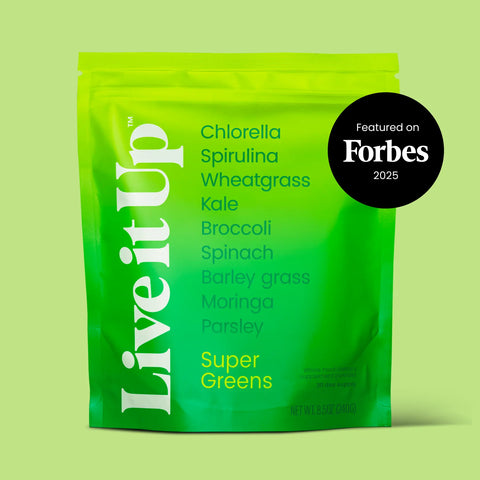
Live it Up Super Greens is a premium greens powder that includes 5 billion CFUs of probiotics, along with a powerful blend of 20+ superfoods digestive enzymes to support digestion, immunity, energy balance, and overall wellness. While it’s not a traditional probiotic supplement, this thoughtfully curated formula makes it a compelling option for women seeking a daily boost that supports gut health and more.
Price per serving: $1.33 ($39.99 for 30 servings with a subscription)
Live it Up Positives
- Made in the USA, third-party tested, and GMP-certified
- 5 billion CFUs of probiotics from 4 strains
- Includes additional beneficial components, such as digestive enzymes, organic vegetables, and superfoods
- Non-GMO, allergen-friendly, and 100% vegan
- Two tasty flavors free of sugars, preservatives, fillers, artificial flavors
- 30-day money-back guarantee and free shipping on all orders
Live it Up Drawbacks
- Powder form may not be desirable for those looking for capsules
- Somewhat higher price than probiotic-only products
Quality & Safety
Live it Up Super Greens is manufactured in the USA in facilities that follow Good Manufacturing Practices (GMP) and is third-party tested for heavy metals, herbicides, and other contaminants. Each batch undergoes rigorous quality checks for consistency and safety.
Ingredients
- Probiotic strains (5 billion CFUs, dairy-free)
- Lactobacillus acidophilus
- Lactobacillus casei
- Bifidobacterium bifidum
- Bifidobacterium lactis
- Other ingredients
- Digestive enzymes and 3g of fiber
- Nutrient-dense superfoods (e.g., wheatgrass, barley grass, chlorella, moringa, spirulina)
- Organic vegetables (e.g., broccoli, kale, kelp leaf, ginger root).
- Monk fruit extract and zero sugar
The Verdict
Live it Up Super Greens offers far more than your average probiotic. Its combination of gut-friendly bacteria, digestive enzymes, dietary fiber, and plant-based superfoods makes it an ideal daily supplement for women looking to support not just gut health, bloating, and digestion, but overall health and wellness. While it may not be targeted at hormone or vaginal health specifically, it delivers excellent value for women seeking a clean, nutrient-rich formula that supports immune health, gut function, and energy all in one scoopt
Nutrition Fact: Lactobacillus acidophilus, one of the strains in Super Greens, is naturally found in the human gut and mouth and is known for producing lactic acid, which helps prevent harmful bacteria from thriving.
2. Lifeable Probiotic Gummies for Women
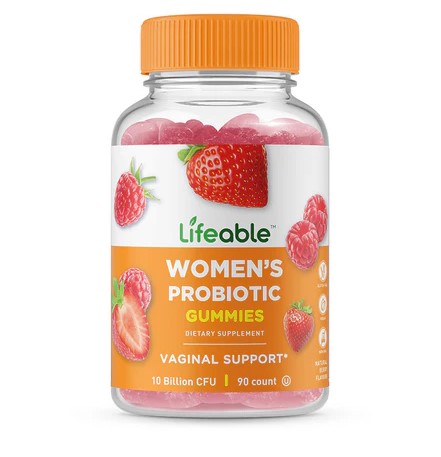
Lifeable is a wellness brand committed to helping families live life to the fullest through accessible, great-tasting supplements. Their Probiotics Gummies for Women deliver 10 billion CFUs per serving and are formulated to support digestive and gut health, vaginal balance, mood, sleep, and overall well-being.
Price per serving: $0.40 ($17.99 for 45 servings)
Lifeable Positives
- Contains 10 billion CFUs of probiotics
- Vegetarian, non-GMO, gluten-free, and gelatin-free
- Certified kosher and halal
- Berry-flavored and tasty
- Third-party tested and GMP-approved
- Convenient and affordable
Lifeable Drawbacks
- Contains added sugar, which may affect gut and dental health
- Contains coconut, making it unsuitable for those with a tree nut allergy
Quality & Safety
According to Lifeable’s website, this product is third-party tested and “approved by a renowned family doctor.” The gummies are made in a GMP-approved facility, and the brand states its supplements undergo rigorous scientific and quality testing to meet high standards.
Ingredients
- Probiotic strains (10 billion CFUs)
- Lactobacillus Rhamnosus
- Bifidobacterium Lactis
- Other ingredients
- Sugar: 4 grams
- Glucose syrup
- Pectin
- Vegetable Oil
- Camauba wax
- Tree nuts
Our Verdict
Lifeable’s tasty probiotic gummies stand out for their accessibility, third-party testing, enjoyable flavor, and targeted support for women’s health. While the added sugars and inclusion of certain processed ingredients may be drawbacks for some, the 10 billion CFUs and use of well-researched probiotic strains make this a strong option for those seeking a daily probiotic tailored to women.
3. Metagenics UltraFlora Women’s Probiotic
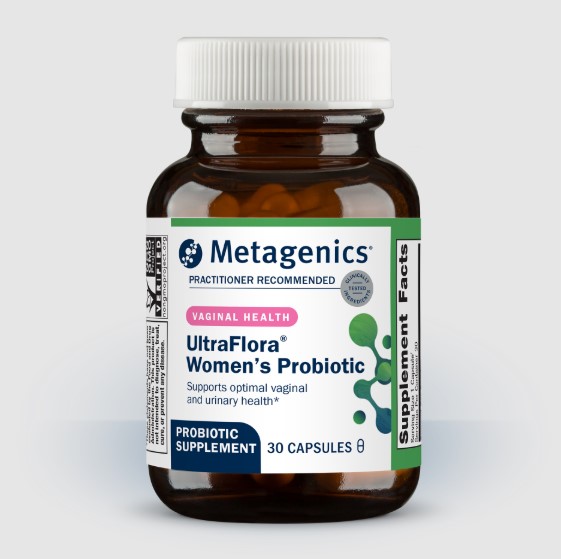
Metagenics UltraFlora Women’s Probiotic is a daily supplement offering tailored support for feminine health. Each capsule contains 2 billion CFUs from a 50:50 blend of two Lactobacillus strains, designed to help maintain a healthy vaginal pH, support microflora balance and odor control, sustain urinary tract health, and aid immune function.
Price per serving: $1.22 ($36.75 for 30 servings)
Metagenics Positives
- Science-backed and third-party tested
- 2 billion CFUs of clinically studied probiotics per serving
- 60-day satisfaction guarantee
- Convenient capsules
Metagenics Drawbacks
- Requires careful storage (keep in a dry place or refrigerate)
- Includes fillers like maltodextrin and magnesium stearate, which may cause digestive discomfort for some
- Lower CFUs for price
- Does not offer free shipping
Quality and Safety
Metagenics emphasizes scientific backing and third-party testing. According to in-house surveys of 96 women between 2020 and 2023, 92% reported improvements in urinary tract health, and 74% noted benefits to vaginal health. The company also cites over 20 years of clinical evaluation supporting the efficacy of its two featured strains—Lactobacillus rhamnosus GR-1 and Lactobacillus reuteri RC-14. Metagenics cites itself as the "#1 Doctor Recommended Professional Supplement Brand."
Ingredients
- Probiotic strains (2 billion CFUs)
- Lactobacillus rhamnosus GR-1
- Lactobacillus reuteri RC-14
- Other ingredients
- Maltodextrin
- Microcrystalline cellulose
- Magnesium stearate
Our Verdict
Metagenics offers a research-backed, targeted option for vaginal and urinary health with two well-studied probiotic strains. While it’s on the pricier side and includes a few added fillers, it’s a solid pick for those seeking a relatively lower CFU, clinically focused formula.
4. Ritual Synbiotic+
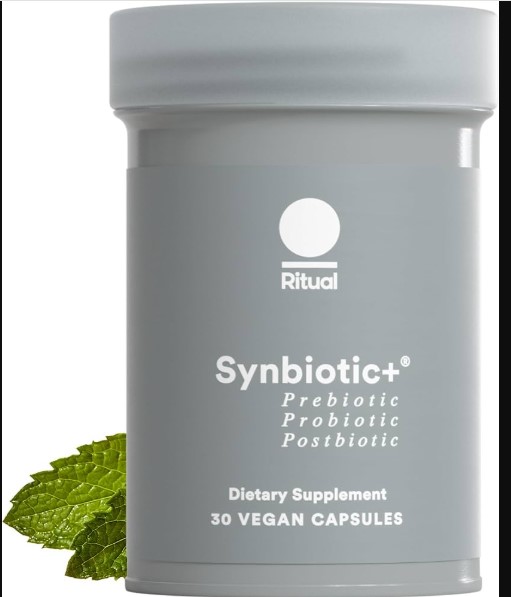
Ritual Synbiotic+ is a daily 3-in-1 supplement that combines prebiotics, probiotics, and postbiotics to support a healthy, balanced gut microbiome. While not specifically marketed toward women, it contains Lactobacillus rhamnosus, a probiotic strain shown to support vaginal health and help manage yeast infections and bacterial vaginosis (BV).
Price per serving: $1.44 ($43.20 for 30 servings)
Ritual Positives
- Combines pre-, pro-, and postbiotics in one capsule
- Vegan, non-GMO, gluten-free
- No synthetic colorants or artificial additives
- Does not require refrigeration
- Third-party tested with a 30-day money-back guarantee
Ritual Drawbacks
- Contains coconut, making it unsuitable for those with tree nut allergies
- Relatively expensive
- Postbiotic benefits, while promising, are still being researched
Quality & Safety
Ritual is third-party tested for quality and safety. On their product page, the company shares results from a gut model study conducted in partnership with ProDigest in Belgium. In this in vitro study, most probiotics in Synbiotic+ survived the journey through the stomach and small intestine, reaching the colon in a viable form.
Ingredients
- Probiotic strains (11 billion CFUs)
- Lactobacillus rhamnosus
- Bifidobacterium animalis ssp. Lactis
- Other ingredients
- PreforPro (prebiotic)
- Tributyrin (postbiotic)
- Hypromellose
- Gellan gum
- Medium chain triglycerides
- Silica
- Cellulose
Our Verdict
Ritual Synbiotic+ stands out for its innovative 3-in-1 formula, science-backed testing, and clean ingredient list. It's a great option for those prioritizing digestive health with added support for vaginal wellness, thanks to Lactobacillus rhamnosus. However, its high price, limited strain diversity, and the still-emerging science around postbiotics may be drawbacks for some.
5. Daily Nouri Hormone Balance Probiotic for Women
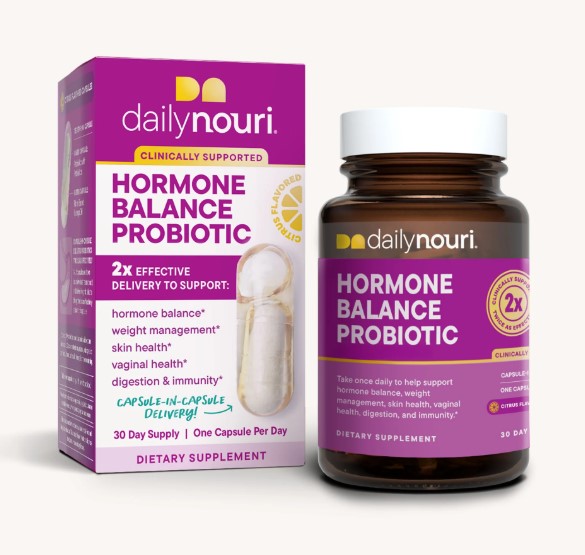
The Daily Nouri Hormone Balance Daily Blend combines clinically studied probiotics and plant-based oils to support hormone balance, gut-brain communication, vaginal health, digestion, and skin clarity. The supplement delivers 12 billion CFUs and comes in an all-natural capsule with a light citrus scent.
Price per serving: $0.90 ($26.99 for 30 servings)
Daily Nouri Positives
- 7 probiotic strains
- Vegan and free from the nine major allergens
- Made in the USA, third-party tested, and follows Good Manufacturing Practices
- No artificial ingredients or preservatives
- Research-backed strain delivery system using Ahiflower oil
- Convenient and affordable
Daily Nouri Drawbacks
- Currently back ordered on the brand’s website
- Free shipping only applies to orders over $30
- 12 billion CFUs does surpass general recommended dose
Quality & Safety
Daily Nouri highlights its commitment to third-party testing and adherence to Good Manufacturing Practices (GMP). A 2020 internal study by the brand found that their novel “capsule-within-a-capsule” design, featuring Ahiflower seed oil, may improve probiotic survival compared to other delivery methods. While the results are promising, it’s worth noting that the study was conducted in-house, which limits transparency.
Ingredients
- Probiotic strains (12 billion CFUs)
- Lactobacillus gasseri
- Lacticaseibacillus rhamnosus
- Lacticaseibacillus paracasei
- Levilactobacillus brevis
- Pediococcus acidilactici
- Lactiplantibacillus plantarum
- Lacticaseibacillus rhamnosus
- Other ingredients
- Ahiflower seed oil
- Vegetable cellulose
- Rice flour
- Stearic acid
- Magnesium Stearate
- Silica
Our Verdict
Daily Nouri offers a strong hormone-focused formulation, allergen-free profile, and innovative delivery system using Ahiflower oil, which may enhance probiotic survival. However, those new to probiotics or seeking a cleaner ingredient list and faster shipping might want to consider the inclusion of common fillers, high CFU count, and the current availability.
Nutrition Fact: A healthy gut microbiome isn’t just good for digestion—it may also influence mood and mental health. Some strains of Lactobacillus and Bifidobacterium have been linked to stress response and lower levels of anxiety.
Key Considerations for Probiotics for Women
When searching for the right supplement for your needs, there are specific features to keep in mind:
Recommended Doses
Probiotics are measured in colony forming units (CFUs), which indicate the number of live, viable microorganisms in each serving. Most women’s probiotic supplements contain between 1 to 10 billion CFUs per dose, though some go much higher, with 50 billion or more CFUs intended for more targeted support like immune function or post-antibiotic recovery.
But when it comes to probiotics, more isn’t always better, and that goes for both CFU count and the number of strains. Some products contain upwards of a dozen strains, but the effectiveness depends on the specific strains used and whether they’ve been clinically studied for the health benefits you’re seeking (e.g., gut health, vaginal balance, skin health). A supplement with fewer but well-researched strains can often be more beneficial than one with a long, unproven list.
Focus on matching the strains to your unique health needs, and look for products that provide transparency about dosage and strain research.
Dietary Restrictions
If you have food allergies or follow a specific diet, reading the supplement label is essential. Many probiotics are cultivated in dairy-based mediums, particularly for use in fermented foods like yogurt, cheese, and milk. Common probiotic strains, especially those from the Lactobacillus and Bifidobacterium genera, thrive in these environments and may leave behind trace amounts of milk proteins, which is important to note for women with lactose intolerance, dairy allergies, or vegan preferences.
Additionally, some probiotic supplements include other common allergens like soy, gluten, or tree nuts. For example, both Lifeable Probiotic Gummies and Ritual Synbiotic+ contain coconut, a concern for those with tree nut allergies.
Fillers and Additives
It can be difficult to find probiotic supplements with short, simple ingredient lists. Most capsules, pills, and gummies rely on fillers and additives—like artificial flavors, sweeteners, preservatives, and texturizing agents—to maintain structure, extend shelf life, or improve taste.
For example, Metagenics includes some maltodextrin and magnesium stearate, common additives used to stabilize capsules that can sometimes cause digestive discomfort. Lifeable contains glucose syrup, sugar, and carnauba wax to help it taste like a fruity and chewy gummy.
This is one of the reasons why Live it Up tops our list. As a dehydrated powder, there’s no need for binding agents, waxes, or added sugar. Instead, it relies on natural sweeteners like monk fruit and peppermint extract to create its refreshing flavors.
Quality Control
By law, the FDA does not approve dietary supplements before they reach the market. That’s why it’s especially important for supplement brands to follow Good Manufacturing Practices (GMPs) and undergo third-party testing to verify that their products are free from harmful additives, heavy metals, microbes, and other contaminants.
Before buying a probiotic, check whether it has been third-party tested. This information should be easy to find on the brand’s website. Some companies go a step further by publishing test results, studies, or even clinical trial data to back up their claims.
Probiotic Side Effects
Though generally considered safe, probiotics may cause mild side effects in some people, particularly when first introduced to your system. Probiotics affect everyone differently, and while these effects are often temporary, it’s important to be aware of them.
- Digestive upset: One of the most common side effects of probiotics on the human body is digestive upset, including increased gas, bloating, and occasional constipation. This is especially common for individuals just starting probiotics. While the exact cause isn't fully understood, these symptoms typically subside after a few weeks of continued use. To minimize this, start with a lower dose and gradually increase it over several weeks. If digestive discomfort persists or worsens, stop using the probiotic and talk to your healthcare professional (especially if you have an underlying health condition).
- Rashes or itchiness: Daily probiotic supplements may cause skin problems for some individuals. A 2018 review found that two participants using probiotics for bowel conditions reported itchy rashes as a side effect. If a rash or severe itching develops, stop taking the probiotic and check the product label for allergens. If the symptoms are severe, persistent, or accompanied by other concerning symptoms, consult a doctor.
- Risk of infection: A 2017 review found that children and adults with severe illnesses or weakened immune systems should avoid probiotics, as they may be at higher risk for bacterial or fungal infections. Additionally, individuals taking antifungal medication should wait until their infection has cleared up before using probiotics, as combining the two could lead to complications.
Final Thoughts
All of the probiotic supplements in this roundup have their merits for a variety of needs. Out of the five excellent probiotic products for women in this round-up, I chose Live it Up Super Greens as the top product for several key reasons.
- It contains 5 billion CFUs from four clinically studied probiotic strains to support gut function, a healthy immune system, bloating discomfort, and weight management.
- While the other supplements in this guide are high-quality products, they focus solely on probiotics, often at a similar price to Live it Up. This greens powder includes over 20 additional healthful components that offer a broader range of possible health benefits.
- Live it Up Super Greens also stands apart by being free from allergens, fillers, added sugars, and artificial flavors, which are common ingredients in many probiotic gummies and capsules. With its clean, natural formulation, it's a supplement you can feel good about incorporating into your daily routine.
Adding a probiotic like Live it Up Super Greens, Metagenics UltraFlora, or Ritual Synbiotic+ is a great way to positively impact women’s health. Depending on your specific goals, we recommend researching the right probiotic strains to meet your needs and speaking with a registered dietitian for further advice.
FAQs
Still have questions? Here are our most frequently asked questions about the best probiotics for women.
Are probiotics good for you?
Yes, probiotics can potentially provide possible health benefits for the gut, immune function, and digestion. These live microorganisms help maintain a balance of healthy bacteria, which can support overall digestion, help with bloating, and aid immune function. Some studies also suggest probiotics may help with weight management and mental well-being.
What probiotics are good for bloating?
Gut-healthy probiotics like Lactobacillus and Bifidobacterium strains have been shown to support bloating and digestion. These strains help balance gut bacteria, which may alleviate discomfort from excess gas and bloating, though results can vary depending on the individual. Regular use can help your digestive system become more efficient and aid bloating over time.
What should you not mix with probiotics?
Probiotics should not be mixed with hot beverages, as high heat can kill the live bacteria. Avoid taking them alongside antibiotics, which may kill beneficial bacteria. It’s also best not to mix them with antifungal medications, as probiotics may interfere with their action, particularly during active infections.
Can probiotics cause diarrhea or constipation?
Yes, some people may experience mild digestive discomfort, like diarrhea or constipation, especially when first introducing probiotics to their system. This is typically temporary as your gut adjusts to the new bacteria. Start with a lower dose and gradually increase it to minimize these side effects.
What probiotics help lose belly fat?
There’s no scientific evidence that probiotics directly help you lose belly fat. However, probiotics like Lactobacillus gasseri are linked to weight management support. This strain helps balance gut bacteria and aids with a healthy metabolism. For best results, include probiotics as part of a healthy diet and lifestyle focused on overall wellness and weight goals.
Resources
- https://foodinsight.org/consumer-insights-on-gut-health-and-probiotics/
- https://www.goodrx.com/well-being/gut-health/best-probiotic-women
- https://ods.od.nih.gov/factsheets/Probiotics-HealthProfessional/
- https://lifeable.com/products/probiotic-gummies-for-women
- https://www.metagenics.com/en-us/product/ultraflora-womens-probiotic?size=30
- https://ritual.com/products/synbiotic-plus-for-gut-health
- https://www.sciencedirect.com/science/article/pii/S2666154323002156
- https://dailynouri.com/products/nouri-hormone-balance-daily-probiotic
- https://ods.od.nih.gov/factsheets/Probiotics-HealthProfessional/
- https://www.healthline.com/health/food-nutrition/is-maltodextrin-bad-for-me
- https://www.healthline.com/health/magnesium-stearate#how-much-is-safe
- https://pubmed.ncbi.nlm.nih.gov/31006469/
- https://pubmed.ncbi.nlm.nih.gov/20208051/
- https://pmc.ncbi.nlm.nih.gov/articles/PMC5900870/
- https://pmc.ncbi.nlm.nih.gov/articles/PMC5730384/
- https://www.healthline.com/health/digestive-health/probiotics-bloating
- https://pmc.ncbi.nlm.nih.gov/articles/PMC3611107/