Top Nutrition Coaching is fully dedicated to providing its readers with transparent, accurate, and compassionate information that applies to individuals from every demographic. Our nutritionists adhere to specific guidelines when creating content to ensure that all published materials are most advantageous to our readers. Top Nutrition Coaching has a no-tolerance policy regarding plagiarism.
All materials published by Top Nutrition Coaching adhere to the criteria outlined below:
- When possible, Top Nutrition Coaching only uses primary sources. Only peer-reviewed journals and government and state sites will be used if primary sources are unavailable.
- Our team reviews every article on the Top Nutrition Coaching site on a periodic basis. Our regular review process ensures that we constantly communicate the most up-to-date information about nutrition, health, and wellness.
- All of our content will be thorough and factual but also approachable. Our goal is to help readers learn about nutrition, not to confuse them.
- All of our content is verified by nutritionists and dietitians with certifications and advanced degrees. Every article will include a registered nutritionist or dietitian’s byline.
- None of our content will include false promises or guarantees. Our number one priority is supporting our audience and their health – their needs come first.


How to Lose Weight Fast: Evidence-Based Strategies That Actually Work
Losing weight quickly doesn't have to mean crash diets or unsustainable restrictions. In this post we break down evidence-based strategies backed by nutrition science and research that help you shed pounds effectively while building habits that last. Whether you're just getting started or looking to break through a plateau, these practical tips will help you reach your goals faster.
Let’s get the cliché out of the way early: Lasting weight loss is a marathon, not a sprint. But that doesn’t mean progress has to feel painfully slow—it means the approach needs to build strong enough habits to carry you through each mile.
As a registered dietitian, I’m here to help you navigate the course in a way that creates meaningful progress, without burning out halfway through. Here’s how to approach weight loss in a way that supports faster results and long-term success.
Understanding What "Fast" Weight Loss Really Means
Most people want weight loss to happen quickly—and understandably so. But when it comes to long-term results, there’s great truth to the notion that sometimes you need to slow down to speed up.
Aggressive weight-loss plans often look impressive for a few weeks—right before they become exhausting to maintain and trigger a cycle of being “on track,” falling off, and starting over. Ironically, slower, more sustainable approaches are what create the fastest lasting progress.
The Mayo Clinic generally recommends aiming for about 1 to 2 pounds of weight loss per week. That may not sound like much, but over a 3-month weight loss journey, it can lead to meaningful changes in body weight and overall health.
Losing weight faster than this isn’t always dangerous, but for many people, it can increase the risk of:
- Muscle loss
- Fatigue and low energy
- Nutrient deficiencies
- Increased cravings
- Rebound weight gain
It’s also common for the scale to drop quickly at first—especially after reducing sodium, carbohydrates, or highly processed foods. Much of this early change is often water weight, not body fat.
And despite what social media may suggest, weight loss isn’t one-size-fits-all. Factors such as starting weight, age, body composition, hormones, medical conditions, activity levels, and dieting history influence how quickly someone loses weight. People with higher starting weights may lose weight more quickly in the beginning, and in some cases, that can still be considered safe and appropriate.
Ultimately, “fast” weight loss should mean efficient and sustainable—not extreme or miserable.
The Science Behind Weight Loss Speed
At its core, weight loss happens when your body burns more calories than it consumes—commonly known as a calorie deficit.
The size of that calorie deficit also matters. A moderate deficit encourages fat loss without cutting calories so aggressively that energy levels, workout performance, recovery, muscle retention, and overall nutrition take a hit.
When weight loss becomes too extreme, the body often responds by conserving energy—a process sometimes referred to as metabolic adaptation or a “starvation response.”
Hormones also play a major role in appetite and weight regulation:
- Leptin signals fullness and satiety
- Ghrelin stimulates hunger and appetite
- Cortisol can increase stress eating and cravings
- Insulin regulates blood sugar and fat storage
Extreme dieting can disrupt these hormonal systems, increasing hunger, fatigue, cravings, and making weight loss harder to sustain over time.
This is one reason why sustainable approaches are often more effective long term—they’re realistic enough to maintain consistently.
When Rapid Weight Loss Makes Sense
There are situations where faster weight loss may be medically appropriate—and even beneficial, particularly in individuals with severe obesity or obesity-related health complications.
Healthcare providers may recommend more intensive approaches to:
- Prepare for bariatric (weight loss) surgery by lowering operative risk
- Rapidly improve obesity-related conditions like sleep apnea, high blood pressure, or type 2 diabetes
- Reduce perioperative complications and potentially shorten hospital stays
In these situations, very low-calorie diets (VLCDs) may be used to accelerate weight loss. However, these approaches should be medically supervised to help ensure safety.
For some people, seeing faster progress early on can also feel encouraging and help build momentum. But even then, long-term success still comes down to building habits you can realistically maintain—like balanced eating, regular movement, sleep, and consistency over time.
No matter the starting pace, sustainable weight loss still depends on building an approach that works long after the initial “weight loss phase” ends.
Set Yourself Up for Weight Loss Success
Long-term weight loss usually has less to do with “being more disciplined” and more to do with building habits you can realistically maintain when life is busy, stressful, social, or imperfect.
According to Harvard Health Publishing, successful weight loss often starts with getting clear on what you’re actually trying to achieve—and setting realistic, personalized goals you can build on gradually over time.
It also helps to focus less on outcome goals and more on the habits, also known as process goals, that create them.
Outcome goals give you direction and focus on results, such as:
- Losing 20 pounds
- Fitting into a certain clothing size
- Hitting a target weight
Process goals are the daily habits that move progress forward—even when motivation is low:
- Eating adequate protein and fiber daily
- Strength training consistently
- Walking more throughout the day
- Getting restful sleep more consistently
- Cooking at home more often
And importantly, progress isn’t just measured by the scale. Better energy, improved fitness, more stable eating habits, strength gains, better sleep, improved lab work, and feeling better in your body all count as progress, too.
Calculate Your Calorie Needs
Before starting a weight loss plan, it can be helpful to get an estimate of how many calories your body needs, starting with your maintenance calories.
Your maintenance calories—also called total daily energy expenditure (TDEE)—are the number of calories your body burns each day through basic body functions, daily movement and exercise, and digesting food.
How to Calculate Maintenance Calories
The Mifflin-St Jeor equation is a widely used method for estimating basal metabolic rate (BMR), which the Academy of Nutrition and Dietetics (AND) recognizes for its accuracy. The formula accounts for biological sex, weight, height, and age.
For women:
10×weight(kg) + 6.25×height(cm) − 5×age − 161
For men:
10×weight(kg) + 6.25×height(cm) − 5×age + 5
Activity factors:
Next, multiply your BMR by an activity factor:
- Sedentary × 1.2
- Lightly active × 1.375
- Moderately active × 1.55
- Very active × 1.725
For example, someone with a BMR of 1,500 calories who’s moderately active would estimate maintenance calories as:
1,500 × 1.55 = 2,325
That would estimate maintenance calories at around 2,325 calories per day.
How to Calculate Weight Loss Calories
Weight loss requires a calorie deficit, meaning you need to routinely eat fewer calories than your body burns.
A common starting point is:
- A 500-calorie deficit per day for about 1 pound per week
- 750 to 1,000 calorie deficit per day for faster weight loss
Using the example above, someone with maintenance calories of 2,325 calories per day may aim for a weight loss calorie range of approximately:
- 1,825 calories daily with a 500-calorie deficit
- 1,325 to 1,575 calories daily with a larger deficit
In many cases, moderate deficits are easier to sustain and better support energy, workouts, recovery, and muscle retention.
Additional Considerations
Keep in mind that weight loss isn’t always linear. As you lose weight, your calorie needs gradually decrease, and progress may slow over time.
It’s also important not to cut calories too low. Very low-calorie diets may be appropriate in certain medical situations, but they should only be done under medical supervision.
In general, calorie intake should not regularly fall below:
- 1,200 calories per day for women
- 1,500 calories per day for men
A registered dietitian can help you determine your calorie targets based on your goals, activity level, body composition, medical history, and dietary history.
Track Your Starting Point
Before changing everything, it helps to know where you’re actually starting.
Having a baseline makes it easier to track meaningful progress over time instead of getting discouraged by normal day-to-day scale fluctuations.
Helpful things to track at the beginning may include:
- Body weight
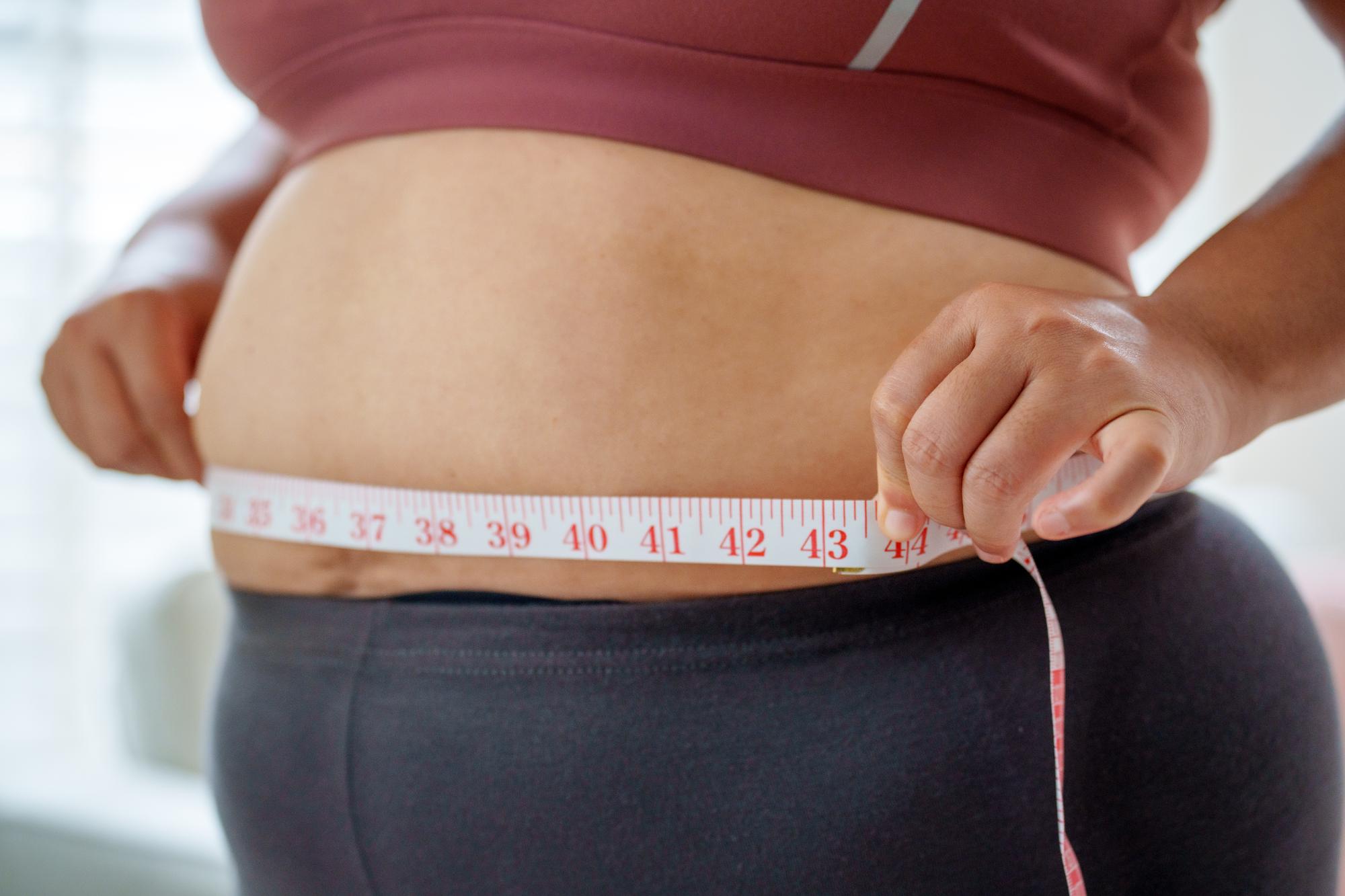
- Measurements (waist, hips, chest, thighs, etc.)
- Progress photos
- Activity levels
- Sleep habits
- Energy levels
These markers often tell a more complete story than the scale alone. Sometimes the first signs of progress are having more energy, feeling stronger in workouts, noticing less bloating, or realizing your clothes fit differently—even before the number on the scale shows much change.
It can also help to look at your current eating habits before trying to change everything overnight.
Tracking meals, snacks, beverages, portion sizes, meal timing, or weekend eating patterns for a few days can reveal habits, inconsistencies, or areas where small changes may have the biggest impact. The goal isn’t judgment—it’s awareness.
Baseline health markers can add even more context, including:
- Blood pressure
- Blood sugar/glucose and hemoglobin A1C
- Lipid and cholesterol levels
- Resting heart rate
These markers often improve before major weight changes happen, which can be reassuring when progress on the scale feels slower.
Eating Strategies That Speed Up Weight Loss Safely
When it comes to weight loss, there’s no single “best” diet. A 2020 review highlights that reducing overall calorie intake is the main driver of weight loss—whether someone follows a lower-carb, Mediterranean, plant-based, intermittent fasting, or another style of eating.
That’s actually good news. It means there’s flexibility in how you approach weight loss, and the best plan is usually the one you can realistically maintain long term.
At the same time, what you eat matters just as much as how much you eat. Food quality affects hunger, fullness, energy levels, muscle retention, nutrient intake, and overall health throughout the process.
Highly restrictive diets may produce quick, short-term changes, but sustainable eating habits usually lead to the best long-term results. The goal isn’t to find the “perfect” diet—it’s to build an approach that helps you stay satisfied, support your health, and maintain consistency over time.
Focus on Whole, Filling Foods
One of the fastest ways to make weight loss feel miserable is building meals around foods that leave you hungry an hour later.
A more sustainable approach is centering meals around foods that provide more volume, nutrition, and fullness for the calories they contain, including:
- Vegetables and fruit
- Lean proteins
- Whole grains and legumes
- Healthy fats in balanced portions
These foods are naturally richer in nutrients like protein and fiber, which help enhance fullness and reduce cravings throughout the day. Protein also helps preserve muscle during weight loss.
In practice, this might look like:
- Greek yogurt with berries, chia seeds, and walnuts
- Eggs with roasted vegetables and whole-grain toast
- Salmon, potatoes, and a side salad
- Chicken, rice, and roasted vegetables
- A grain bowl with a lean protein source, avocado, and veggies
Meals built around protein, fiber, and minimally processed foods often make long-term weight loss feel much more realistic and sustainable.
Manage Your Portions Without Feeling Deprived
Portions have become heavily distorted over time—especially with restaurant meals, takeout, packaged snacks, and eating straight from the container. Foods like oils, dressings, nuts, desserts, and snack foods can also add up quickly simply because they’re easy to underestimate.
A few simple habits can help without making meals feel rigid:
- Build meals around protein, fiber, and higher-volume foods first
- Pre-portion snacks instead of eating from the container
- Use measuring tools temporarily to relearn serving sizes
- Eat meals at the table instead of while scrolling, driving, or working
- Keep some structure to meals instead of grazing all day
Mindful eating matters here, too—but not in an overly performative “wellness” kind of way. Most people are simply eating too quickly or distracted to notice fullness until they’ve already overshot it.
Slowing down, reducing distractions, and paying attention to fullness and satisfaction can make a bigger difference than people expect.
Eating out can also get tricky since portions are often much larger and more calorie-dense than they appear. Helpful strategies include:
- Splitting meals or boxing half up early
- Ordering sauces and dressings on the side
- Prioritizing protein and vegetables first
- Being mindful of liquid calories and appetizers
- Choosing the foods you’ll enjoy most instead of treating every item like a “must-have”
The most sustainable approach is usually the one that leaves wiggle-room without losing awareness around portions and consistency.
Cut Back on Added Sugars and Refined Carbs
One of the easiest ways to improve diet quality—and often create a calorie deficit without feeling overly restricted—is cutting back on foods that pack a lot of calories without keeping you full for very long.
This often includes:
- Sugary drinks
- Candy and desserts
- Pastries and baked goods
- Chips and ultra-processed snack foods
- White bread, white pasta, and other refined grains
These foods digest quickly, which can contribute to sharper blood sugar swings, energy crashes, cravings, and hunger shortly after eating.
Many are also considered “empty calorie” foods. According to UC Davis Health, these foods are often high in added sugar and fat while providing little protein, fiber, vitamins, minerals, or lasting fullness.
Small daily swaps can make weight loss feel much more manageable over time:
- Sparkling water or water with lemon instead of soda
- Whole-grain bread instead of white bread
- Oatmeal instead of sugary cereal
- Fruit and nuts instead of candy or pastries
- Greek yogurt with fruit instead of ice cream
For many people, simply reducing these foods—not eliminating them entirely—is enough to improve energy levels, curb cravings, and enhance overall diet quality.
Long-term success usually comes from building a diet where enjoyable foods can still fit in occasionally, rather than trying to avoid them forever.
Consider Your Meal Timing
Meal timing has become a popular topic in weight loss conversations, especially with intermittent fasting and time-restricted eating.
Common Intermittent Fasting Methods
Intermittent fasting focuses more on when you eat rather than strictly counting calories or tracking macros.
Some common fasting methods include:
- 16:8 fasting: Eating during an 8-hour window—such as 11 a.m. to 7 p.m.—and fasting the remaining 16 hours
- 5:2 fasting: Eating normally 5 days per week and significantly reducing calories 2 days weekly
- Alternate-day fasting: Alternating between regular eating days and fasting or very low-calorie days
Some people find that fasting helps simplify eating decisions, reduce late-night snacking, and make it feel more effortless to maintain a calorie deficit.
That said, intermittent fasting isn’t always the ticket to fat loss—it’s simply one approach that works well for some people and not others.
Is Fasting Right for You?
Intermittent fasting and time-restricted eating can feel sustainable for some people but backfire for others. Going too long without eating may lead to excessive hunger, low energy, cravings, or overeating later in the day.
For many people, eating more consistently throughout the day—and limiting very late-night eating—helps support hunger control, energy levels, portion awareness, blood sugar regulation, metabolic health, and overall well-being.
However, fasting approaches may not be suitable for people with:
- Diabetes or blood sugar regulation issues
- Certain medical conditions
- A history of disordered eating
- Medications that affect blood sugar
Ultimately, the best meal timing strategy is the one that helps you feel consistent, energized, and able to maintain healthy habits long term.
Move Your Body to Boost Weight Loss
One of the best predictors of weight loss and management success is the ability to build and maintain a consistent exercise routine.
Physical activity increases energy expenditure, making it easier to create the calorie deficit for weight loss. It also supports other aspects of health, like energy levels, sleep, mood, heart health, and mobility.
That said, exercise works best alongside supportive nutrition habits. Progress is much harder to maintain when eating patterns don’t align with your goals.
For most adults, a helpful goal is at least 150 minutes of moderate activity per week, along with strength training a couple of times weekly. That doesn’t require intense workouts or hours in the gym—consistency matters far more than perfection.
Start With Activities You Can Stick With
You do not need to jump into intense workouts to start seeing benefits. In fact, the best form of exercise is usually the one you’ll consistently come back to.
Moderate aerobic activities can include:
- Brisk walking
- Cycling
- Swimming
- Dancing
- Hiking
- Fitness classes
- Jogging
If you’re currently inactive, start small. Even 10 to 15 minutes of movement a few times per week is a solid starting point. Building consistency matters far more than trying to do everything at once.
The goal is to make movement feel more like a regular part of your life—not a punishment or all-or-nothing task.
Add Strength Training to Preserve Muscle
When you lose weight, the goal is losing body fat—not precious muscle. Resistance training helps preserve muscle mass, which supports metabolism, strength, balance, and overall body composition.
You don’t need a complicated gym routine to get started. Beginner-friendly options include:
- Bodyweight exercises
- Resistance bands
- Dumbbells
- Weight machines
- Beginner strength classes
Aim to include strength training at least 2 days per week.
It’s also important to remember that progress isn’t always reflected by the scale alone. As strength improves and body composition changes, you may lose fat while gaining or maintaining muscle—which is why measurements, photos, and how you feel can matter just as much as body weight.
Increase Daily Movement Beyond Formal Exercise
Not all movement comes from workouts.
Daily movement, often known as non-exercise activity, includes all the smaller ways you move throughout the day, like:
- Taking the stairs
- Parking farther away
- Walking while on phone calls
- Standing more often
- Doing housework or yardwork
- Taking short walking breaks throughout the day
These small habits may seem trivial on their own, but they add up over time and can majorly increase overall calorie burn and activity levels.
More importantly, they help create a lifestyle that’s naturally more active, which often feels far more sustainable long term than relying on scheduled workouts alone.
Avoid Common Weight Loss Mistakes
A lot of popular weight-loss advice sounds appealing at first, but some approaches can actually make progress harder, less sustainable, or even harmful to your health.
Learning to recognize common pitfalls can help you avoid cycles of extreme restriction, burnout, and starting over—and stay more consistent long term.
Don't Fall for Fad Diets and Quick Fixes
Most fad diets are really good at making weight loss feel exciting, urgent, and “life-changing” at first.
Whether it’s cutting out entire food groups, surviving on shakes, doing detoxes, or taking “fat-burning” supplements, these approaches often promise quick results without teaching habits that actually fit into real life.
And while the scale may drop quickly at first, a lot of that early change is often water weight—not meaningful, lasting fat loss.
The bigger issue is that highly restrictive plans usually come with side effects people don’t talk about enough, like:
- Constant hunger
- Low energy
- Increased cravings
- Social frustration around food
- Rebound weight gain later
Social media also tends to show the highlight reel—not the exhaustion, rigidity, or burnout happening behind the scenes.
A good rule of thumb: if an approach seems extreme, overly rigid, or impossible to imagine yourself doing six months from now, it’s probably not a sustainable solution.
Avoid Cutting Calories Too Low
Eating less can support weight loss; eating too little often creates a different set of problems.
When calories get too low, your body starts pushing back. Energy drops, hunger ramps up, workouts feel harder, and food starts taking up way too much mental space.
Over time, aggressive restriction can increase the risk of:
- Muscle loss
- Nutrient deficiencies
- Fatigue
- Intense cravings
- Binge-restrict cycles
- Slower metabolic adaptation
Often, the issue isn’t a lack of discipline—it’s that the approach was too extreme to sustain long-term.
Weight loss should still leave room for adequate nutrition, enjoyable meals, and enough energy to function like a normal human being.
Don't Skip Meals or Go Too Long Without Eating
Skipping meals can sound productive on paper—until it’s dinnertime, you’re absolutely starving, and suddenly everything in the kitchen sounds good.
For many people, going too long without eating can backfire by increasing hunger, cravings, low energy, and the urge to overeat later in the day.
More consistent eating patterns can support:
- Better appetite control
- More stable energy levels
- Improved blood sugar regulation
- Better workout performance
- Less “all-or-nothing” eating later in the day
Consuming balanced meals and snacks throughout the day often feels far more sustainable than swinging between restriction and extreme hunger.
Know When to Seek Professional Support
Trying to lose weight today can feel overwhelming—and even misleading. One person says cut carbs, another swears by a “metabolism reset,” while someone else insists you need to detox or fast.
At a certain point, it’s not a lack of effort that holds people back—it’s information overload. That’s where professional support, like a registered dietitian, can make a major difference.
Dietitians provide evidence-based guidance tailored to your lifestyle, health history, preferences, and goals—not generic advice from social media. They also provide accountability, structure, and ongoing support to improve long-term success.
Signs You Should Work With a Registered Dietitian
Working with a registered dietitian isn’t just for “extreme” situations—it can be helpful anytime nutrition starts feeling confusing, inconsistent, stressful, or difficult to sustain.
Working with a registered dietitian can be especially valuable if you:
- Have a medical condition like diabetes, PCOS, high cholesterol, or high blood pressure
- Have a history of chronic disordered eating or chronic dieting
- Feel confused by conflicting nutrition advice online
- Struggle with emotional eating, overeating, or inconsistency
- Want more accountability and structure
- Feel stuck despite putting in effort
Dietitians help create personalized plans based on your schedule, preferences, health history, cultural background, and goals. They can also help you develop sustainable habits around meal structure, portion awareness, grocery shopping, exercise nutrition, and navigating real-life situations like travel, holidays, or eating out.
Many insurance plans also cover virtual nutrition counseling, making it easier and more affordable to work with an online nutritionist for weight loss.
When Medical Supervision Is Necessary
In some situations, weight loss is more medically complex—and having healthcare supervision becomes especially important.
Working with a registered dietitian or healthcare provider can be especially helpful for those who:
- Have significant obesity or multiple chronic health conditions
- Are managing diabetes or cardiovascular disease
- Have a history of disordered eating
- Are considering a very low-calorie diet
- Are exploring weight loss medications or bariatric surgery
Medical providers help assess lab work, adjust medications, and identify underlying factors that may affect weight, appetite, metabolism, or energy levels.
For some individuals, weight loss medications like GLP-1s can be useful tools—especially when combined with nutrition, exercise, and behavior changes. Bariatric surgery may also be appropriate for some people with severe obesity and comorbidities like type 2 diabetes.
The best outcomes usually happen when medical care, nutrition support, and sustainable lifestyle changes work together.
Keep the Weight Off Long-Term
Losing weight is one phase of the process. Keeping it off is the part that requires habits you can realistically maintain long after the initial motivation wears off.
That’s why successful long-term weight management tends to look less like a short-term “diet” and more like consistent routines around nutrition, movement, sleep, stress, and self-awareness.
Importantly, most people who maintain weight loss long term continue practicing many of the same habits that helped them lose weight in the first place—just often with a little more flexibility.
Build Sustainable Habits, Not Temporary Fixes
One of the biggest differences between short-term dieting and long-term success is sustainability.
Extreme plans often work temporarily because they rely on urgency, restriction, or motivation. Sustainable habits work because they’re realistic enough to repeat consistently—even when life gets busy, stressful, or imperfect.
That usually means:
- Building meals around protein, fiber, and minimally processed foods
- Staying physically active most days
- Keeping some structure around portions and routines
- Planning ahead instead of relying on willpower alone
- Making gradual changes that become more automatic over time
Long-term success is usually built on flexibility, not rigidity. Missing a workout, eating out, having dessert, or going off routine for a weekend doesn’t erase progress—it’s part of normal life.
The people who maintain weight loss long-term are rarely the ones who follow the “perfect” plan. More often, they’re the ones who learn how to return to consistent habits without spiraling into all-or-nothing thinking.
Continue Tracking and Monitoring
Most people don’t suddenly regain weight overnight. More often, habits slowly drift—portions get looser, routines become less consistent, activity drops, and small changes compound before they’re fully noticed.
The United States Department of Agriculture (USDA) notes that successful weight management often involves consistent self-monitoring habits. Staying aware of patterns helps prevent small “slips” from quietly snowballing into larger weight gain over time.
That might include:
- Regular weigh-ins
- Periodically tracking protein, calories, or portions
- Monitoring activity levels or step counts
- Paying attention to sleep, stress, and routines
- Noticing how clothes fit, energy levels, or workout performance feel
Maintaining a weight range also feels far more realistic than chasing one exact number. Body weight fluctuates day to day based on hydration, sodium intake, hormones, digestion, travel, workouts, and stress.
Long-term success usually comes from staying connected enough to your routines that small adjustments happen early—before things feel completely off track.
Stay Connected to Support
Weight loss is often easier when you’re not trying to navigate every decision alone.
The CDC encourages building support from friends, family members, coworkers, neighbors, or others with similar goals. That support might look like sharing recipes, planning walks or workouts together, or simply having people who encourage healthier routines.
Professional support can be invaluable, too. Nutrition coaching, accountability, and regular check-ins often make it easier to stay consistent and catch small habits before they spiral.
And importantly, asking for help isn’t a sign of failure or lack of discipline. Long-term behavior change is hard for most people, and support is often part of what makes lasting progress possible.
Get Started With Professional Nutrition Support
At some point, most people realize weight loss isn’t just about “trying harder.” Usually, it’s about having the right support, structure, and strategy.
That’s where Top Nutrition Coaching comes in.
Instead of handing you another cookie-cutter meal plan or unrealistic set of guidelines, Top Nutrition Coaching matches you with a registered dietitian who helps you build an approach that actually fits your schedule, preferences, health history, and goals.
Registered dietitians and weight loss nutritionists provide evidence-based guidance centered on habits you can maintain. Whether you need help with meal structure, emotional eating, protein intake, portion awareness, or simply making nutrition feel less mentally exhausting, your dietitian helps create an approach that fits your actual life—not an idealized version of it.
And that support makes a difference. In a large review of 62 clinical trials, people working with dietitians lost an average of about 4% more body weight and improved important long-term health markers—such as waist circumference, blood pressure, and overall quality of life—compared with those without professional nutrition support.
The support can also evolve with you. If your goals, preferences, or needs change over time, you can switch dietitians or adjust your plan along the way.
Professional nutrition support is also more accessible than many people realize. Most Top Nutrition Coaching clients pay $0 out of pocket through insurance, and many members experience meaningful progress toward their weight loss and health goals with ongoing support and accountability.
If you’re ready for an approach that feels more realistic than restrictive, checking your insurance coverage and getting matched with a registered dietitian is an easy first step.